Last updated: February 26, 2024

Announcing the 80th Anniversary
Tour of the Timberwolves: Baptism of Fire
October 17 - October 26, 2024
The 2024 80th Anniversary Battlefield Tour!
Please join us for another memorable tour
leaving October 17, 2024 with the Timberwolf Pups, featuring historic visits in Netherlands, Belgium, and Germany.
Tour the fields of the Baptism of Fire.
Celebrate liberation with our Dutch Friends.
See Bruges, Aachen, and Amsterdam!
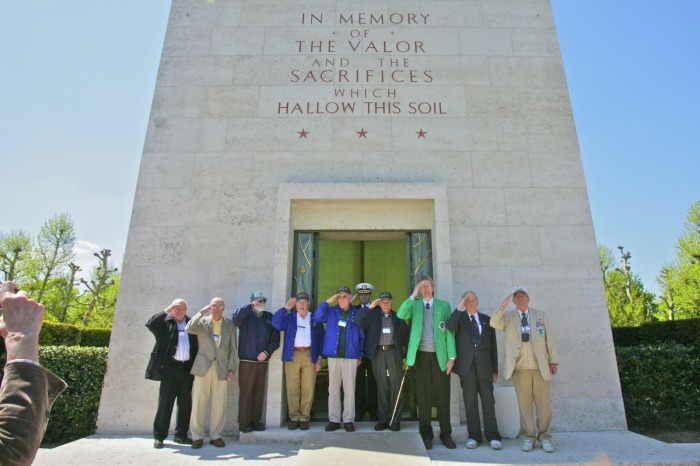
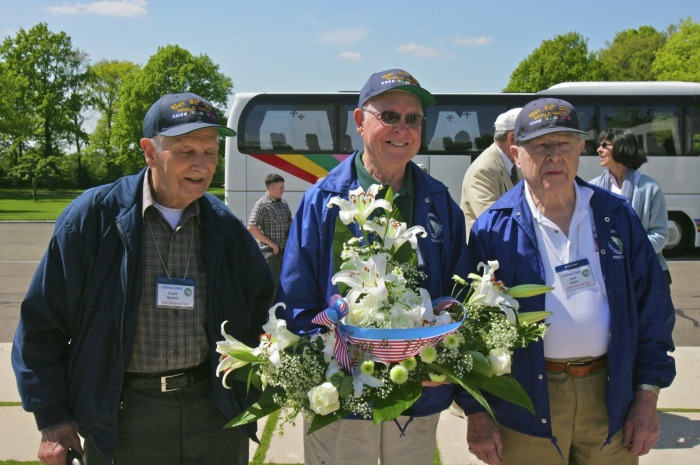
The tour will include several wreath-laying memorials including two at the American Cemeteries of Margraten and Henri-Chapelle...
And more Timberwolf history along the way!
All registration and detailed information can be found in the Timberwolf Tour pdf
Register online at
Gate1Travel Tour - Timberwolf 2024
Follow along with a previous trip, the 2013 Eurotour

Following In Their Footsteps - Part II
Belgium, Holland and Germany
May 1, 2013 through May 15, 2013
Our NTPA Tour Coordinator, Mary Jamieson, is sending along daily tour updates as the 2013 Eurotour rolls its way through the cities and countryside of Europe. Please enjoy the daily updates and photos while riding along on the virtual tour bus with us as we follow the footsteps of the Timberwolves through Holland, Belgium and Germany.
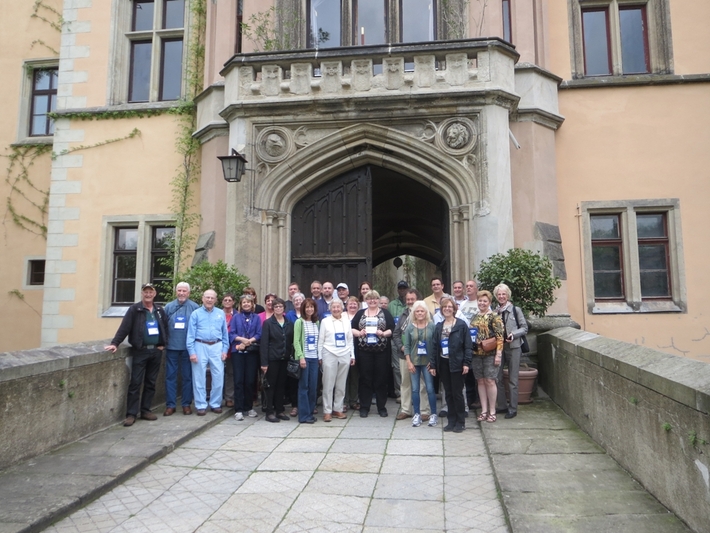
Timberwolf Pup John Holmes also kept tabs on the tour with daily updates, pictures, and videos on his blog page.
Swing by and enjoy the trip! at John's Space...
Swing by and enjoy the trip! at John's Space...
May 1, Day 1 - Arrival in Amsterdam!
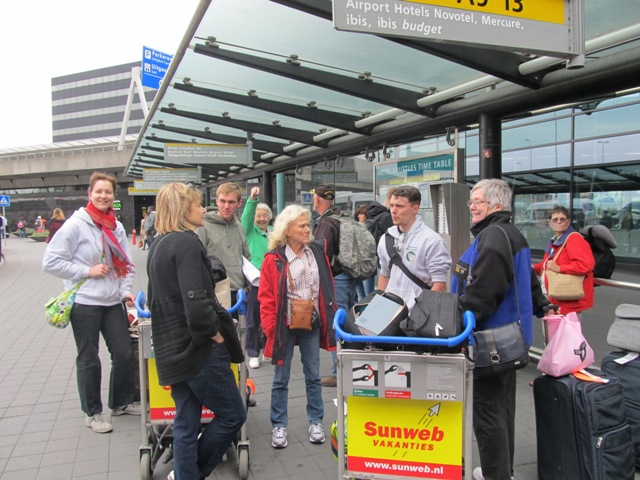
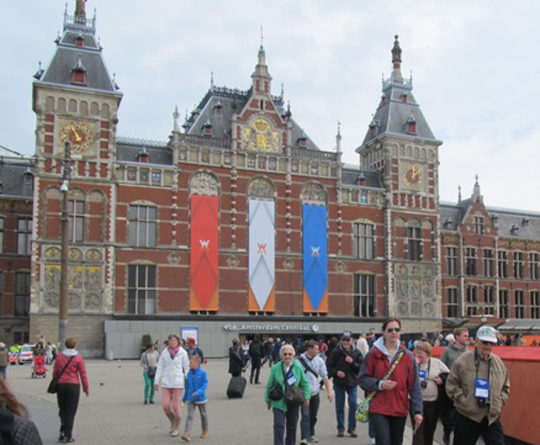
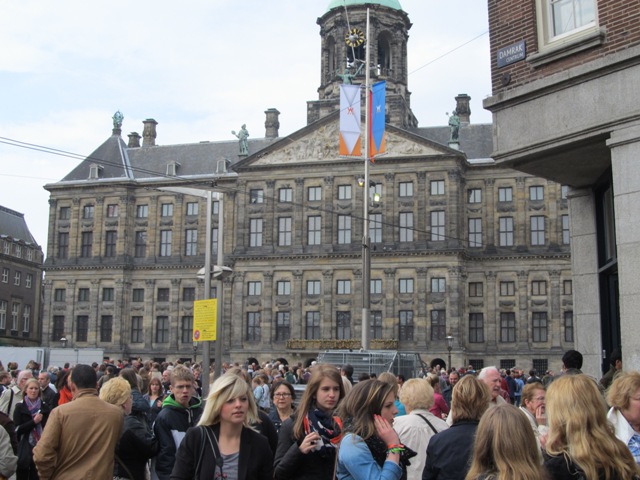
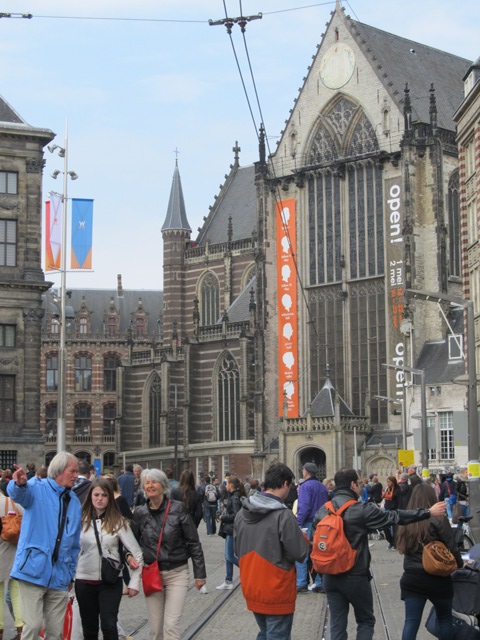
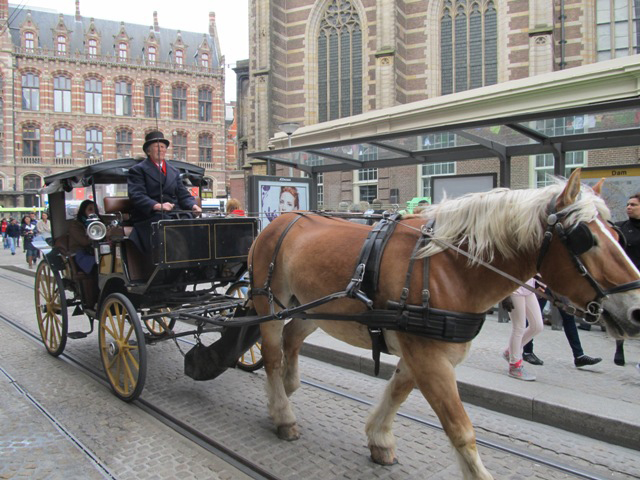
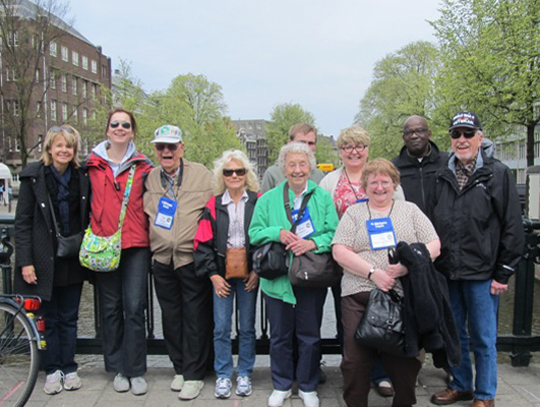
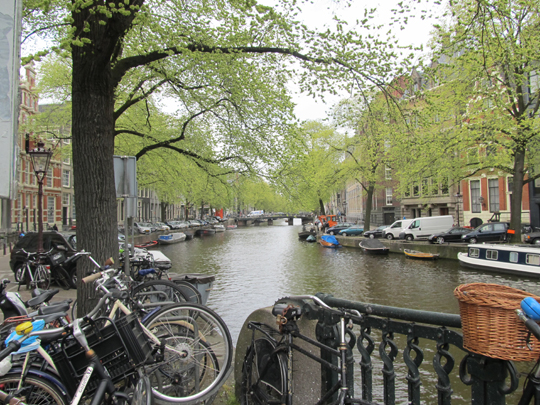
We arrived in Amsterdam, Thursday, May 2nd, at Schiphol Airport ready to complete our journey following the footsteps of the 104th Timberwolf Infantry Division as they fought through Europe during WWII in 1944 and 1945. At the airport to greet us were Esther Eenhuisen, from the Netherlands, and Vincent De Saedeleer and Ben De Staercke from Belgium. We had a free day to explore Amsterdam so a group of us took the train from the airport into the city center. We visited the Anne Frank Museum, walked along the beautiful canals, tasted some Dutch pastries and candies and saw the beautiful royal palace and cathedral where just this past week, the Netherlands crowned King Willem Alexander. In the evening all our tourees gathered together at the hotel for an informal get together. We are off to a great start!!
May 2, Day 2 - Tulips, Kinderdijk, and Breda
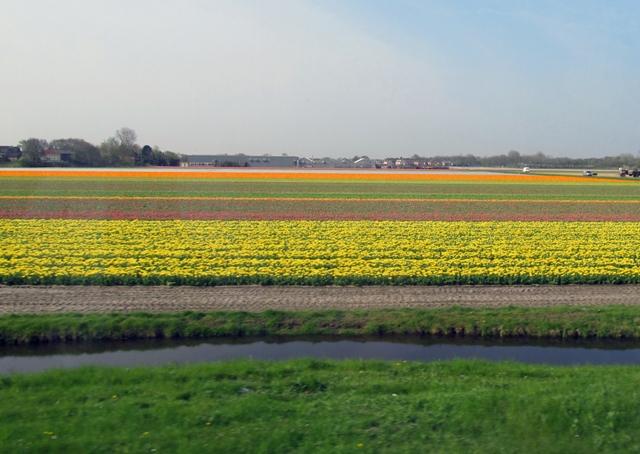
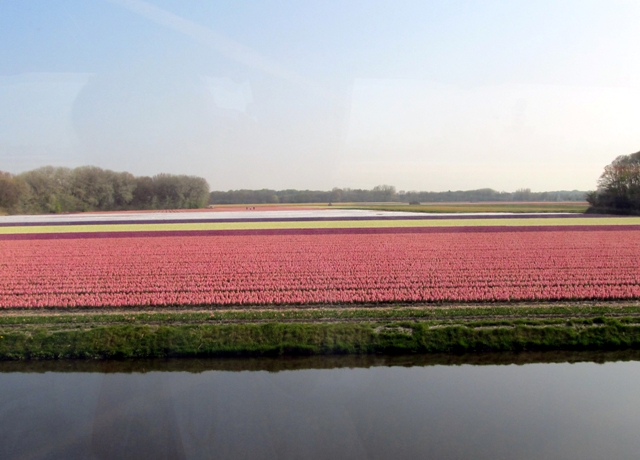
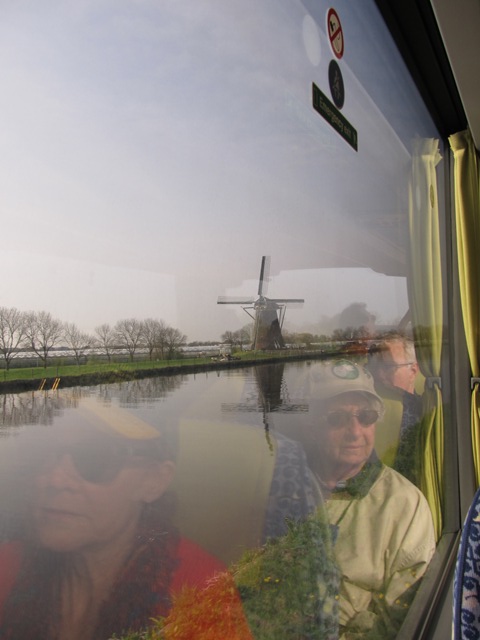
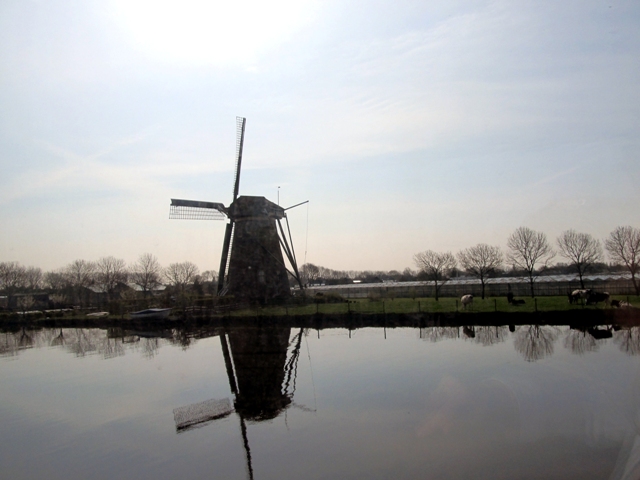
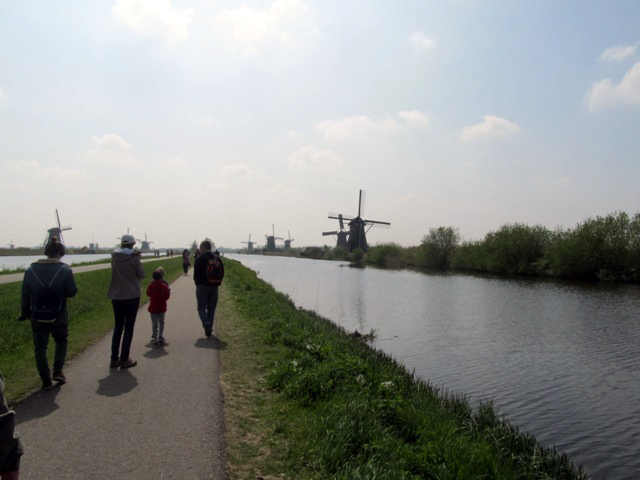
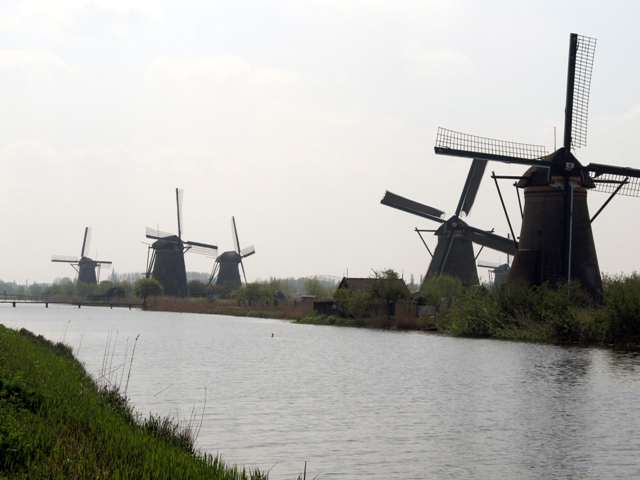
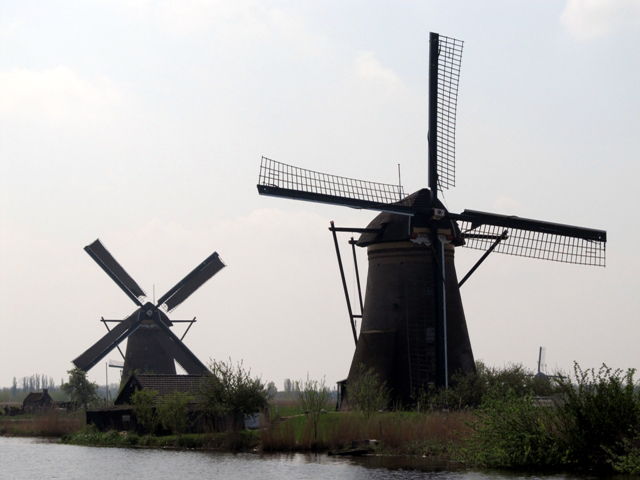
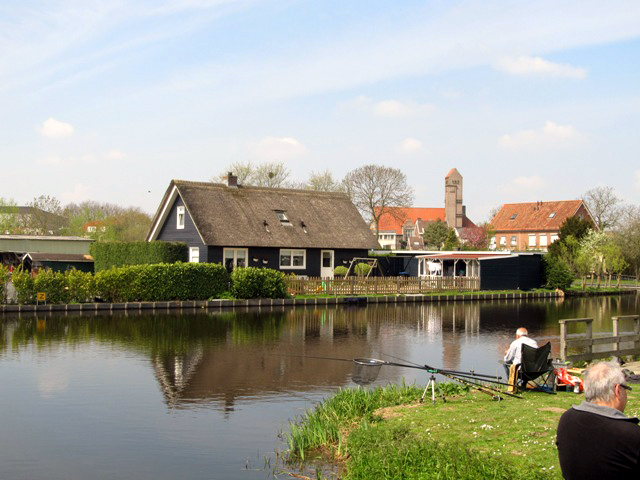
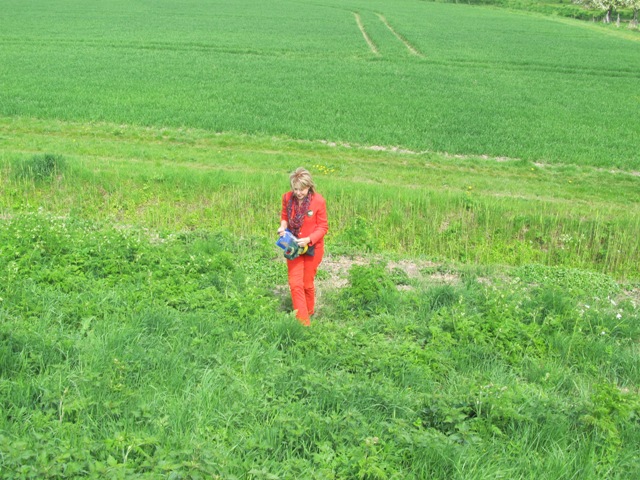
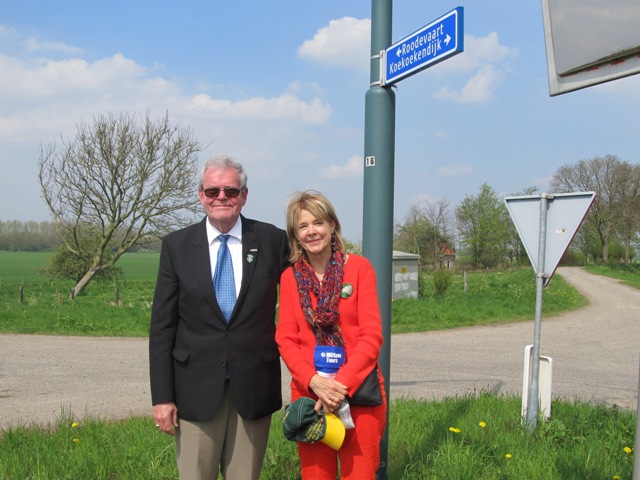
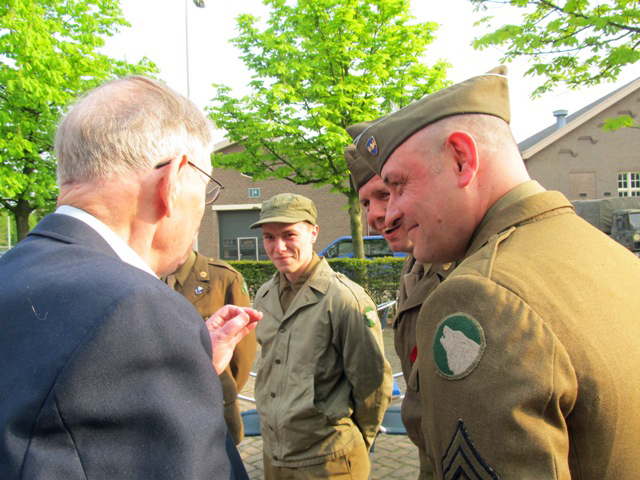
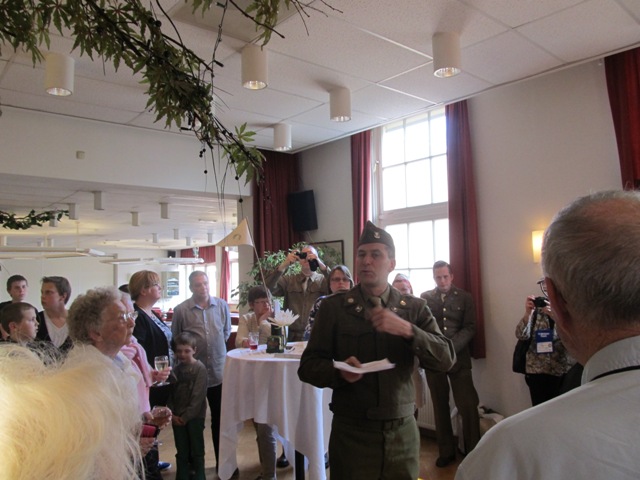
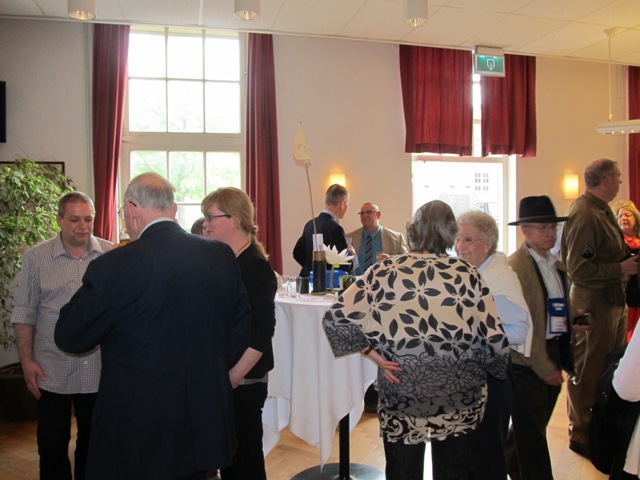
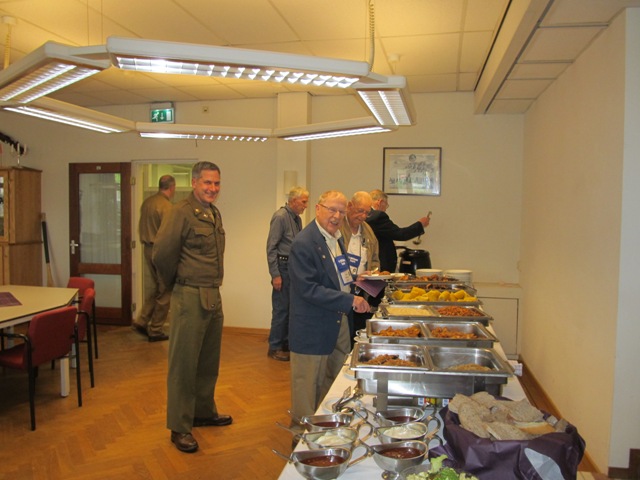
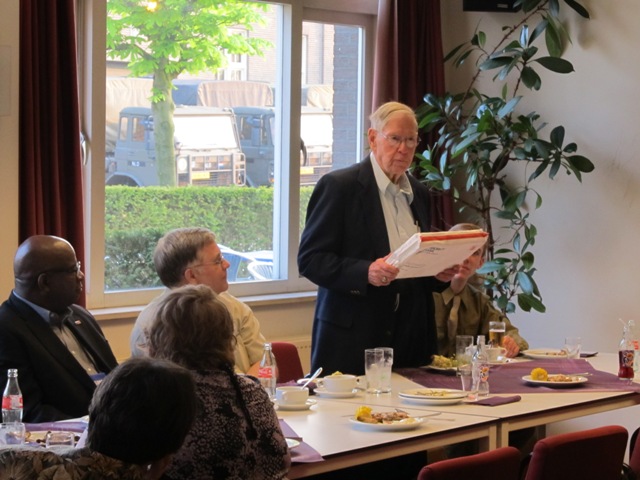
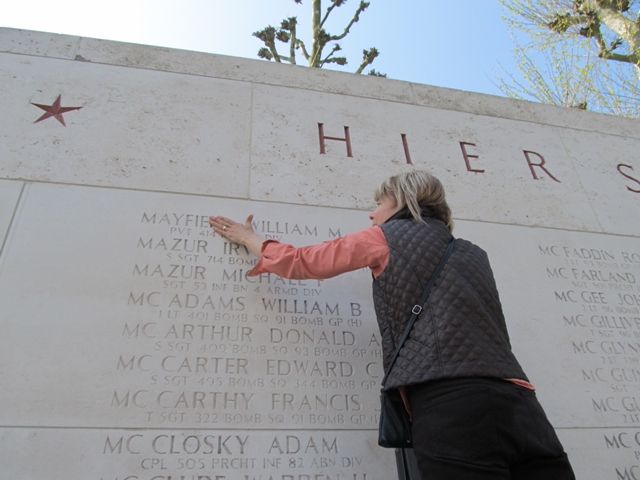
Leaving Amsterdam this morning, we traveled at a leisurely pace through the beautiful Dutch countryside enjoying the full bouquet of the Dutch flower season. Field after field of glorious bands of color – it was like a rainbow spread out across the fields. We stopped in the town of Kinderdijk, home to many, many windmills. The sun was shining and the windmills were majestic. As we neared Moerdijk, the northernmost battle fields of the Timberwolves, near the Maas River, we were met by our dear friend, Toine Vermunt from Standdaarbuiten who joined us and “walked us” through the local battlefields. Near Moerdijk, we stopped and one of our tour members, Peggy Gouras, was able to visit the exact dike where her uncle was killed. Her uncle “Mabry Mayfield’s remains were never found and his mother, Peggy’s grandmother, spent the rest of her life searching for “her boy.” This was a very sweet, poignant moment for us to witness. We arrived at our hotel in Breda in the early evening and gathered together at the General Maczek Museum located on a Dutch army base in Breda. We enjoy an evening of celebration with all our Friends of the Timberwolves from both the Netherlands and Belgium.
May 4, Day 3 - Dutch Memorial Day
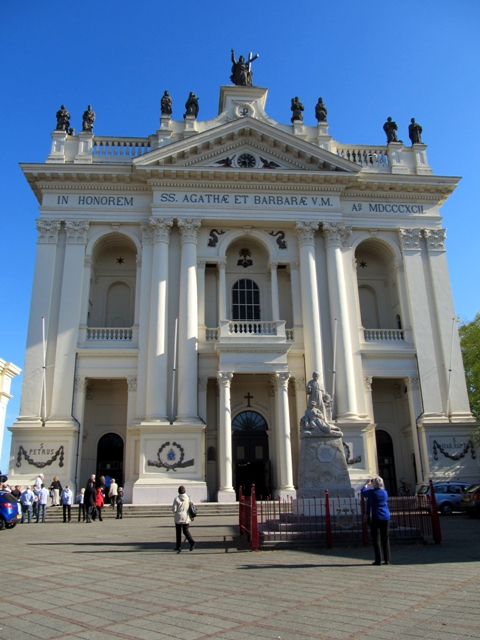
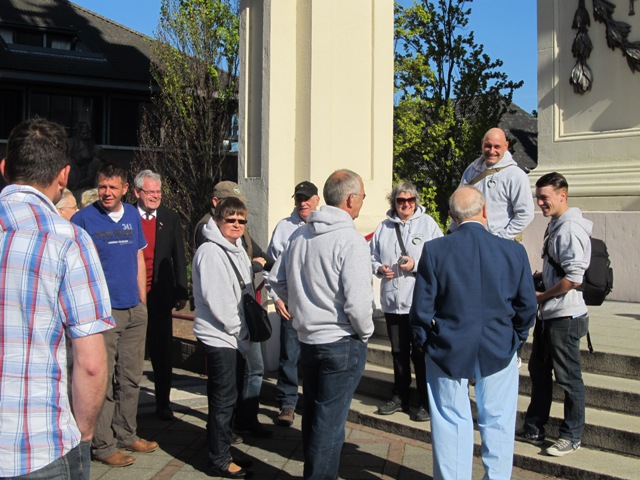
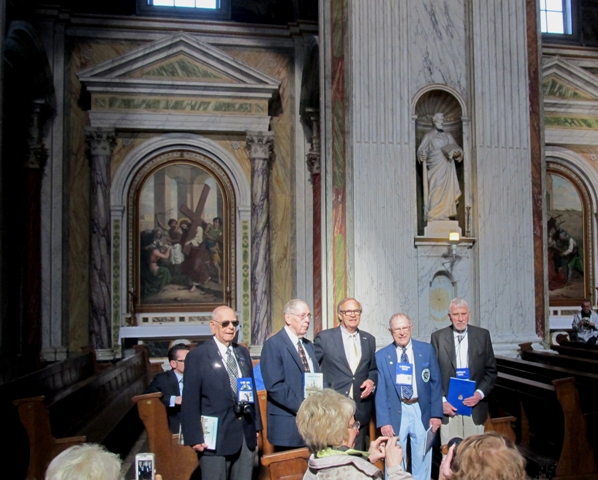
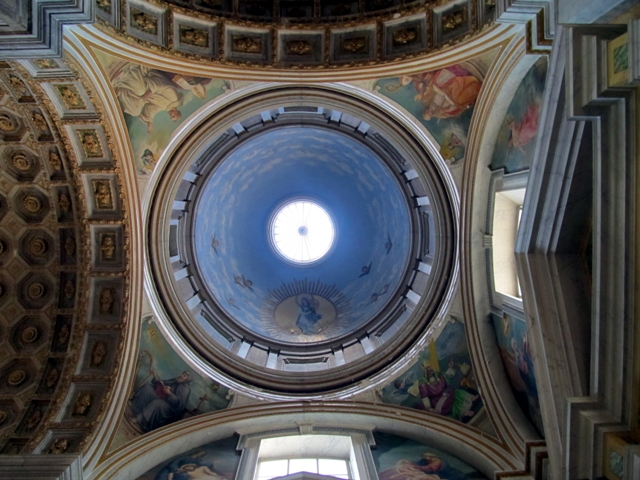
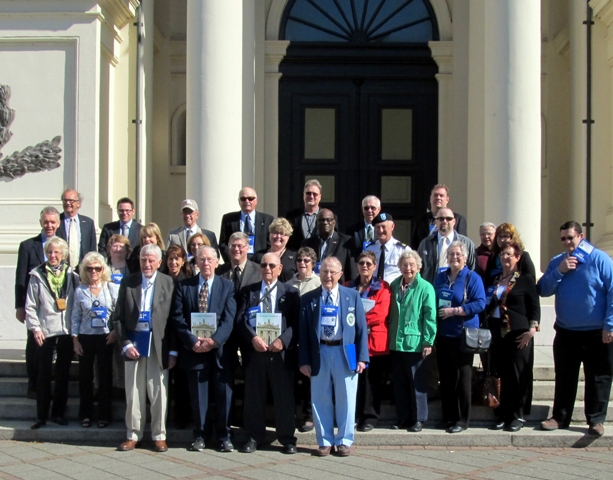
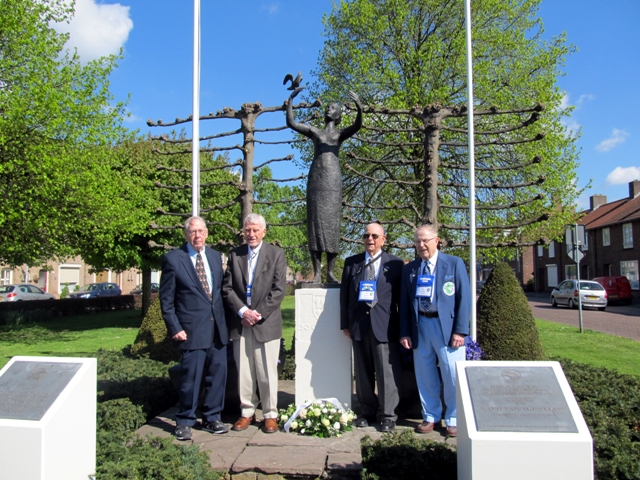
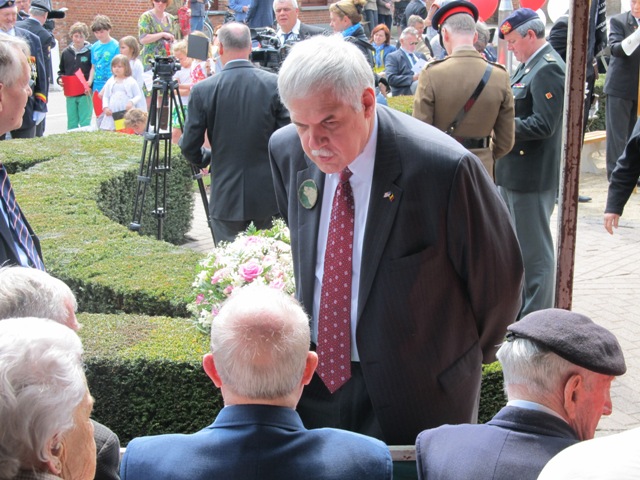
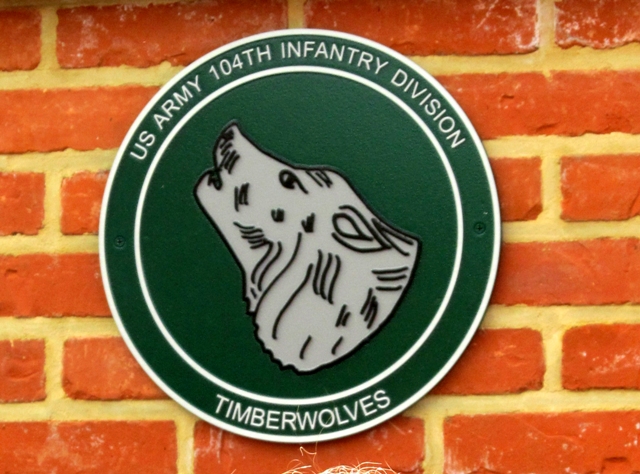
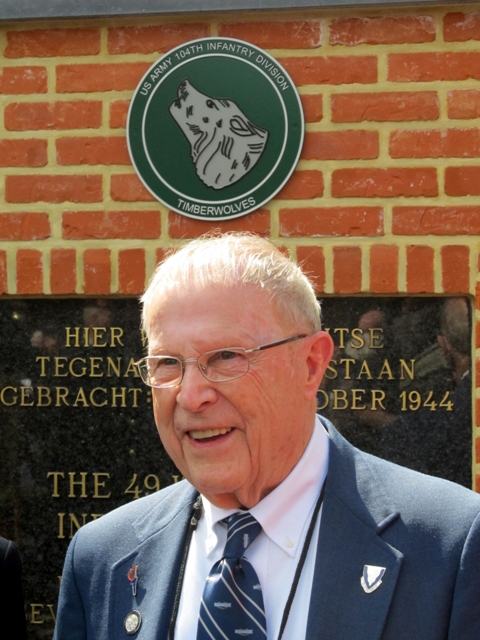
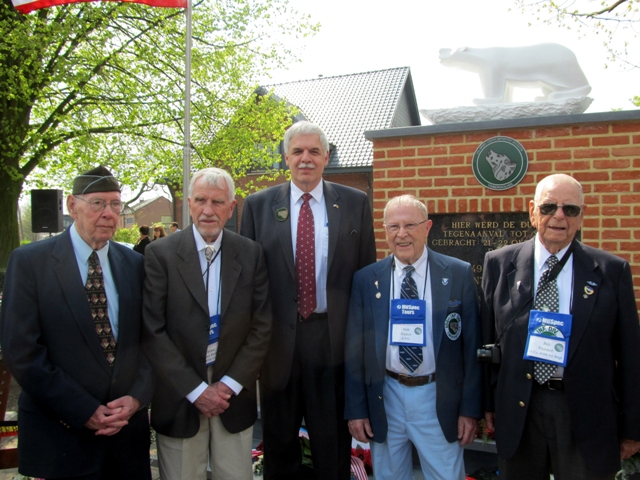
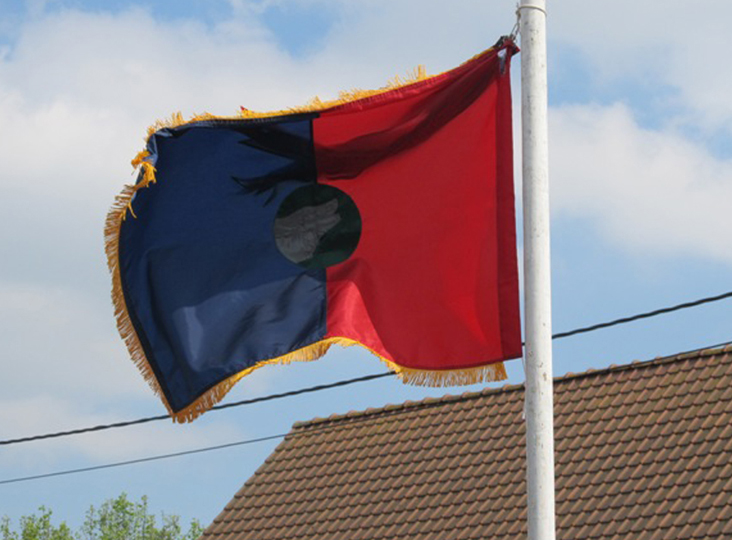
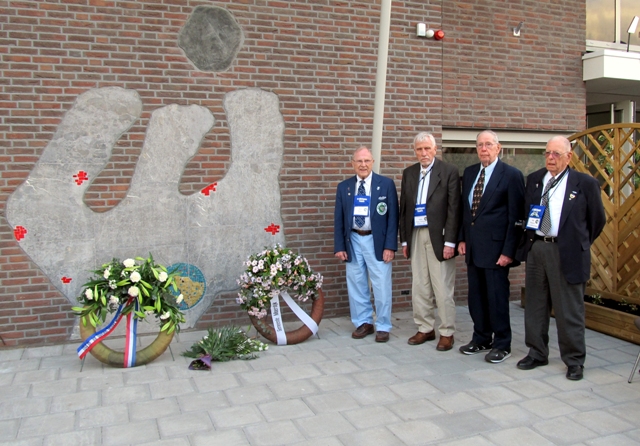
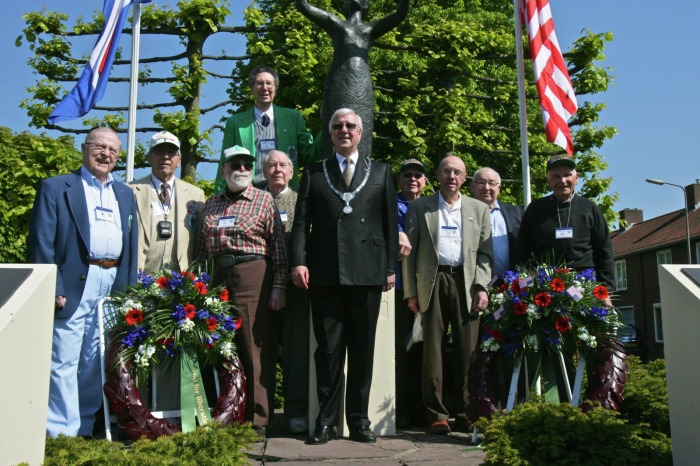
This morning we visited the AMAZING Basilica of Oudenbosch. We learned about the origins of the church and were greeted by the Friends of the Timberwolves as well as officials from the City of Oudenbosch, who honored our veterans with a book about the Basilica. Some of our group climbed the many stairs to the top of the dome where they were offered an amazing view of the beautiful sanctuary below. The church is modeled after two famous basilicas in Rome, the interior after St. Peters and the exterior after St. John the Lateran. From the Basilica we walked to the memorial monument where we had a wreath laying ceremony. After our visit in Oudenbosch we headed south to Wuustwezel, Belgium. There we participated in the rededication of the Liberation Monument honoring the British 49th Polar Bear Division and unveiling a new plaque honoring the 104th Timberwolf Infantry Division. It was an occasion for the Timberwolves and Polar Bear veterans to meet once again as they did when the Timberwolves relieved the Polar Bears at Wuustwezel on October 23, 1944. The ceremony was most formal as there were many dignitaries present including a representative of King Albert of Belgium, the British Ambassador to Belgium, the Commander of the current British 49th Division and, most memorable to all of us, Martin Hohe, a Timberwolf pup, who was representing the US Ambassador! From Wuustwezel we headed north again to Standdaarbuiten where we had dinner with our friends in Standdaabuiten followed by a beautiful Memorial Day service at the Catholic Church in Standdaarbuiten, a silent walk to the Timberwolf Memorial, a wreath laying ceremony and then a time of socializing with the citizens of Standdaarbuiten at a reception following. It was a full and memorable day!
May 5, Day 4 - Dutch Liberation Day, Achtmaal, Zundert, and Etten Leur
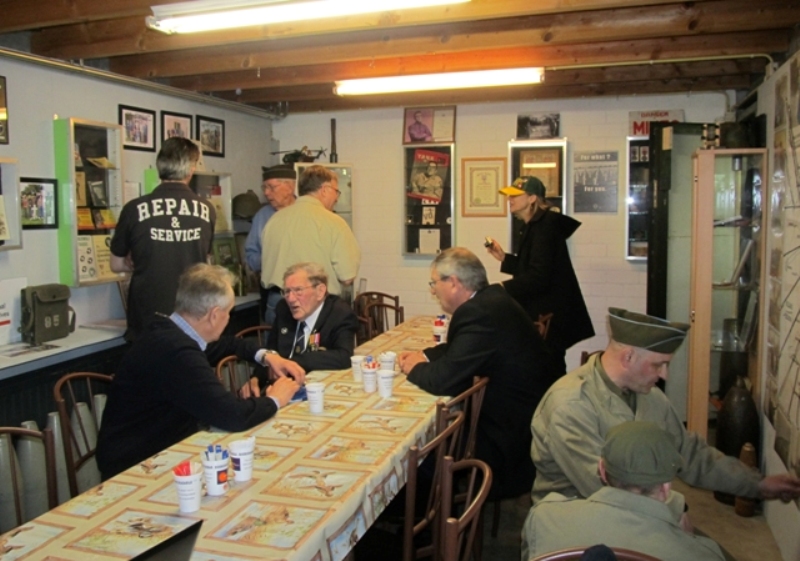
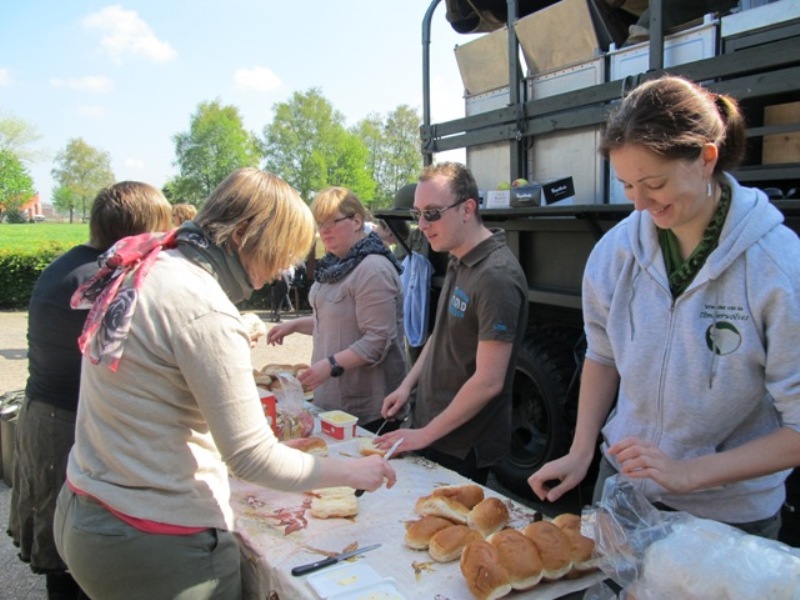
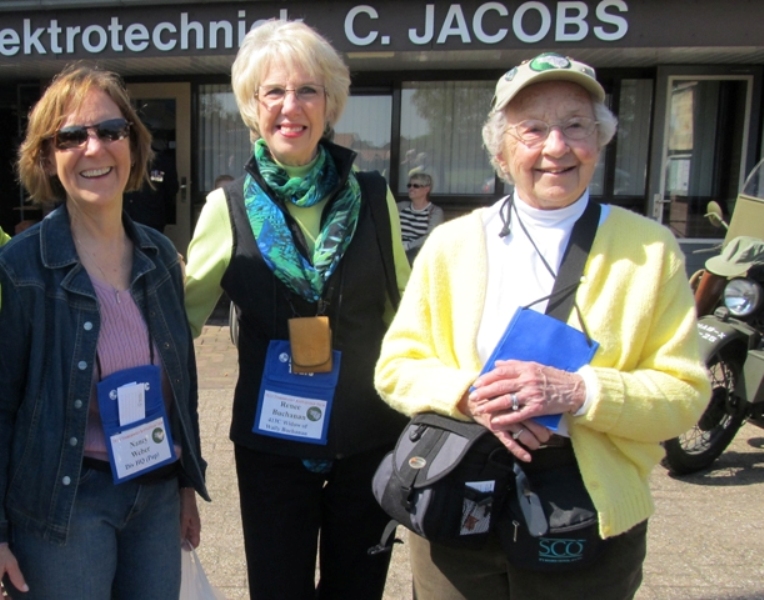
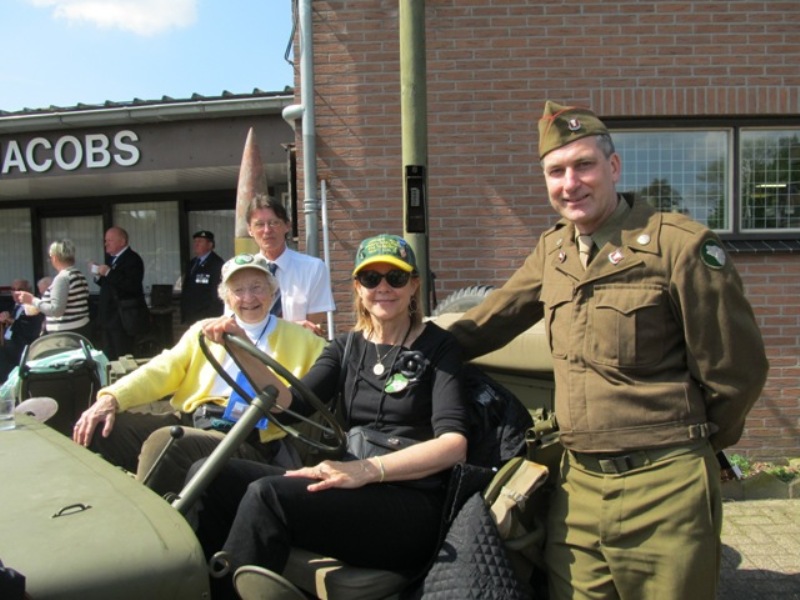
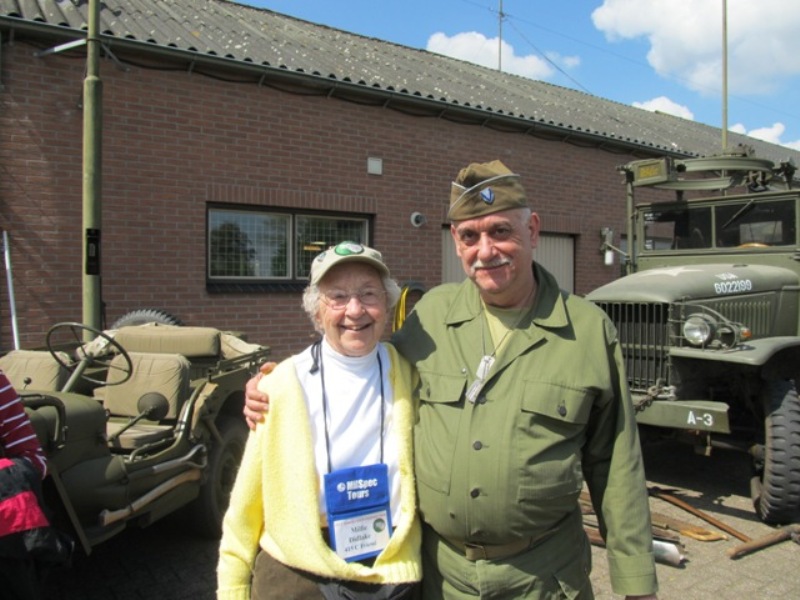
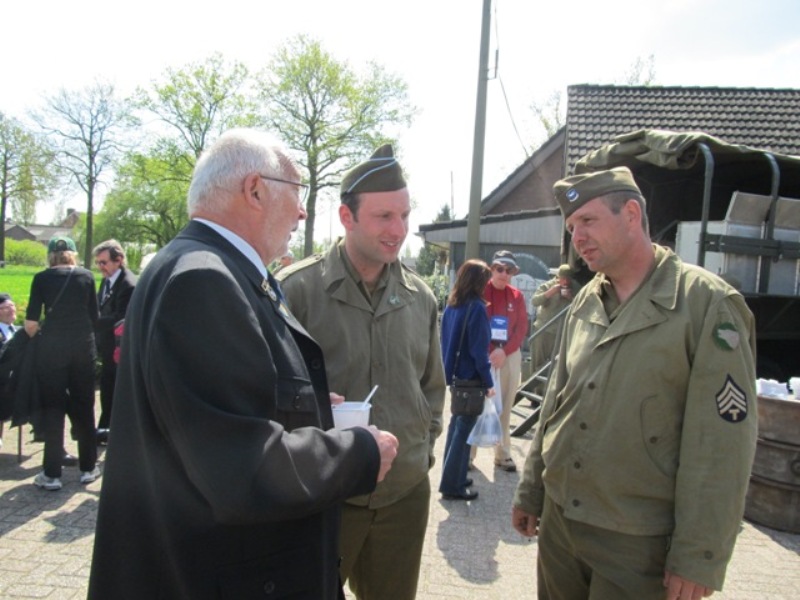
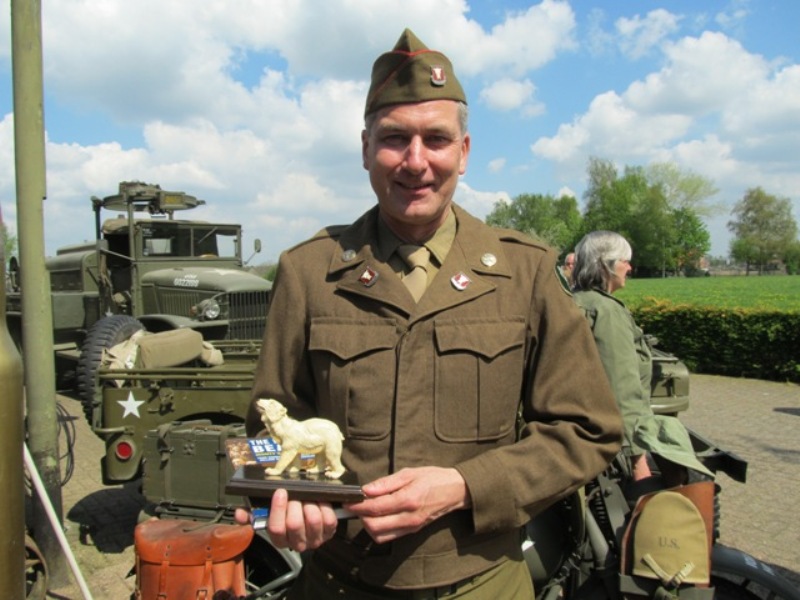
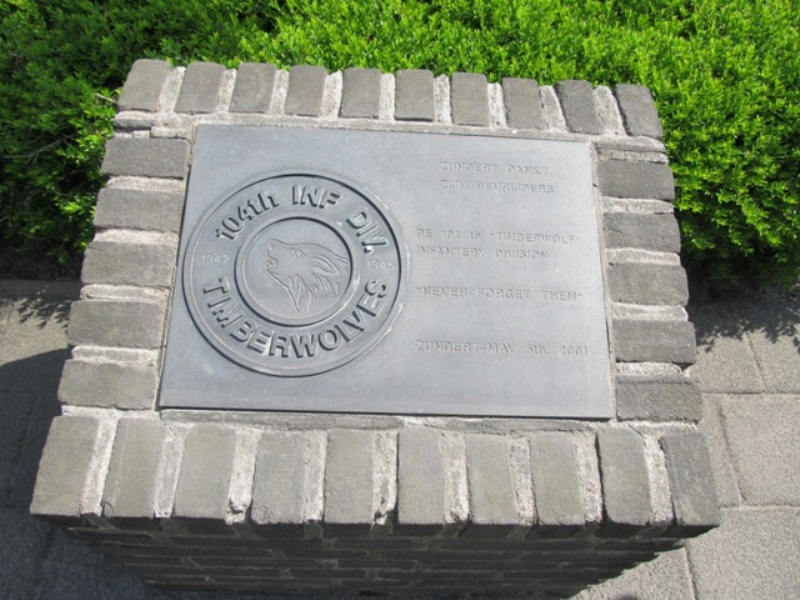
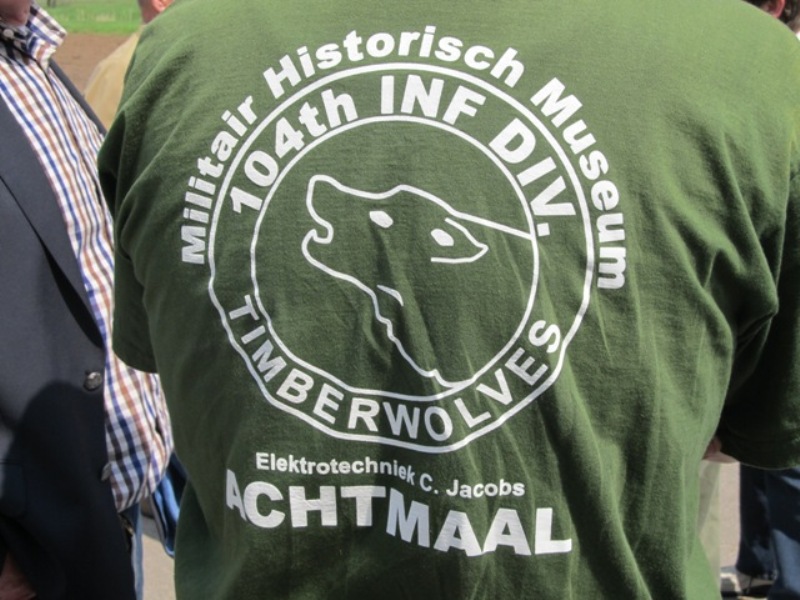
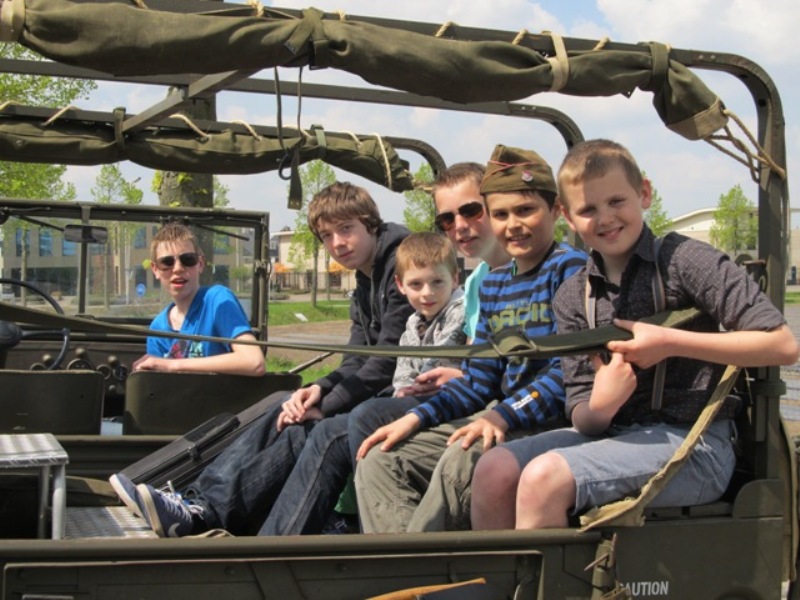
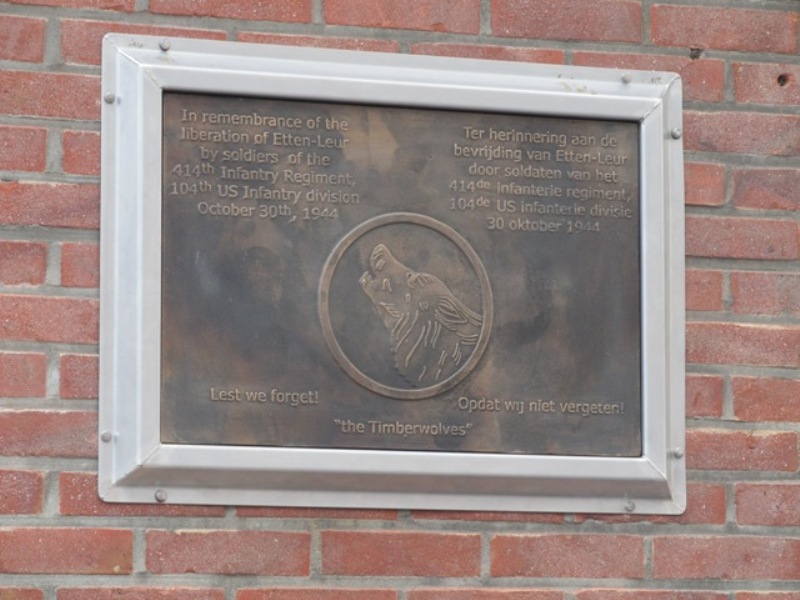
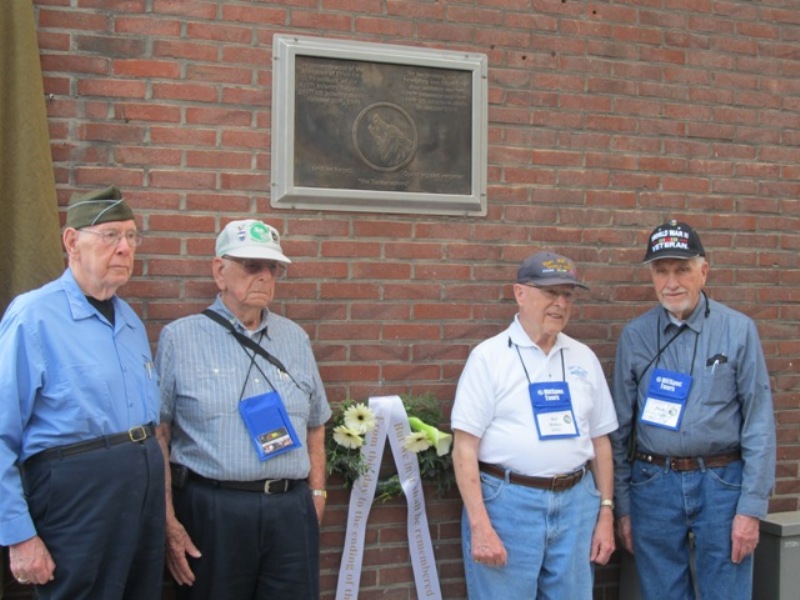
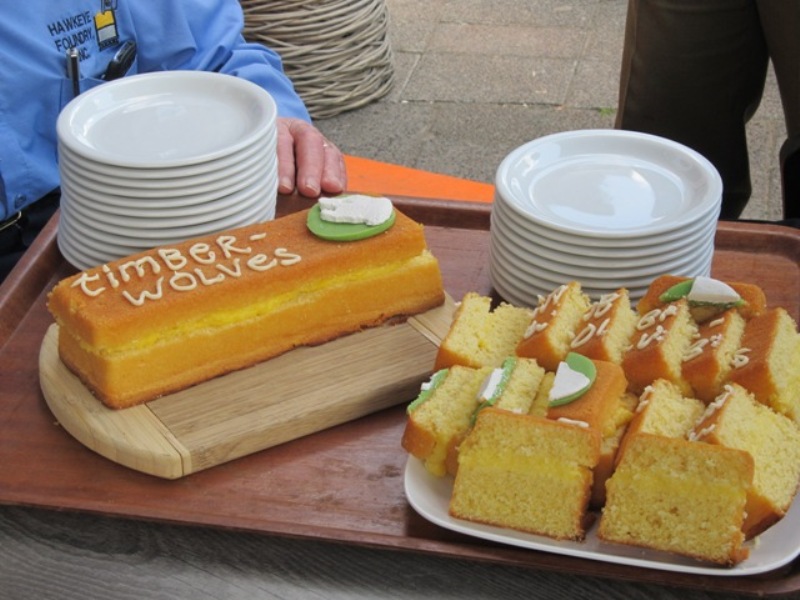
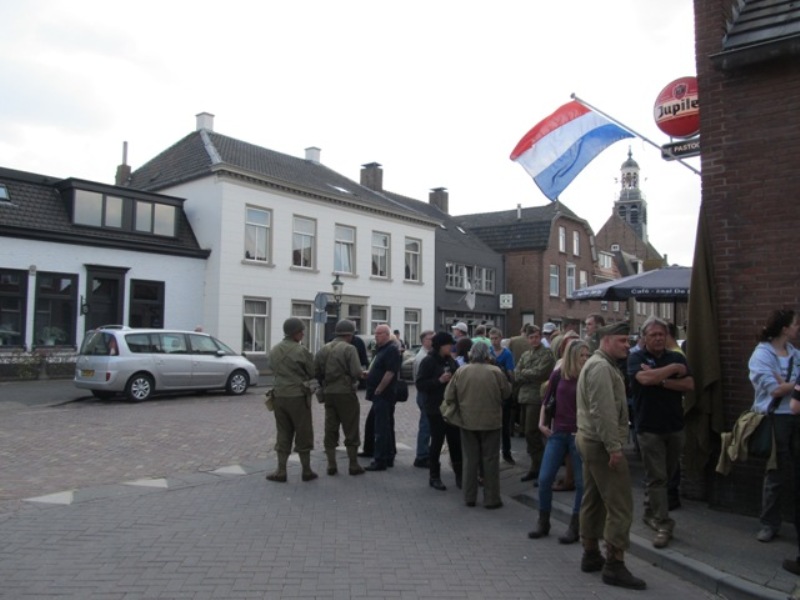
As we headed from Breda to Achtmaal this morning we tracked the Timberwolf battlefields of the first three days of fighting along the Dutch Belgian border. We arrived in Achtmaal at the beautiful Timberwolf Memorial Museum to spend the morning visiting with the Friends of the Timberwolves. We invited our Polar Bear friends along and had a grand time socializing and reminiscing while we ate lunch prepared out of an army field kitchen. Throughout the morning, small groups of us walked across the street to visit the Oostvogel Family museum of Timberwolf artifacts. Jeanne, Bart and Teun were there to show us the museum and give us that special Dutch hospitality that we have grown to love (think chocolates and beautiful dutch tea towels.) After lunch we said goodbye to our British Polar Bear friends and wished them a safe journey home to England while we traveled west to Zundert for a wreath laying ceremony at the Timberwolf Memorial. The sun was shining as our veterans and family along with the Friends of the Timberwolves gathered around the memorial that lies on the edge of town in remembrance of the Liberation of Zundert. From Zundert we headed north to Etten Leur. Our friends in Etten Leur surprised us with the unveiling of a new Timberwolf monument at the exact site of some existing photos of our Timberwolf veterans. We were treated to cake and beer (it really is a GREAT combination) and a respite from the sun. We climbed on the bus for our return to Breda where we had the rest of the afternoon free for shopping and a leisurely dinner.
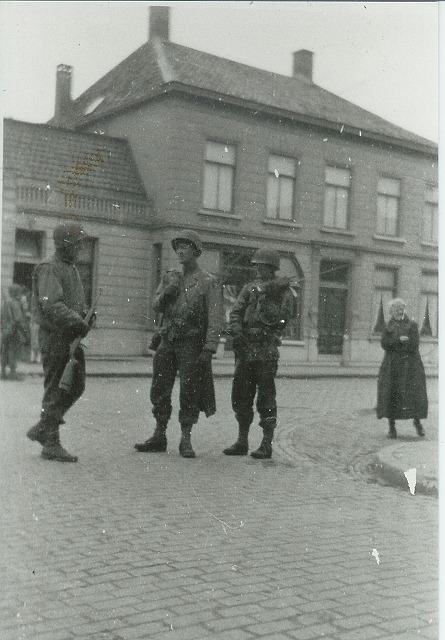
Period photos by PFC William Jamieson, 415 D, used with permission of the Jamieson family. All rights reserved.
May 6, Day 5 - Margraten, M&M Museum, Henri-Chapelle, Aachen
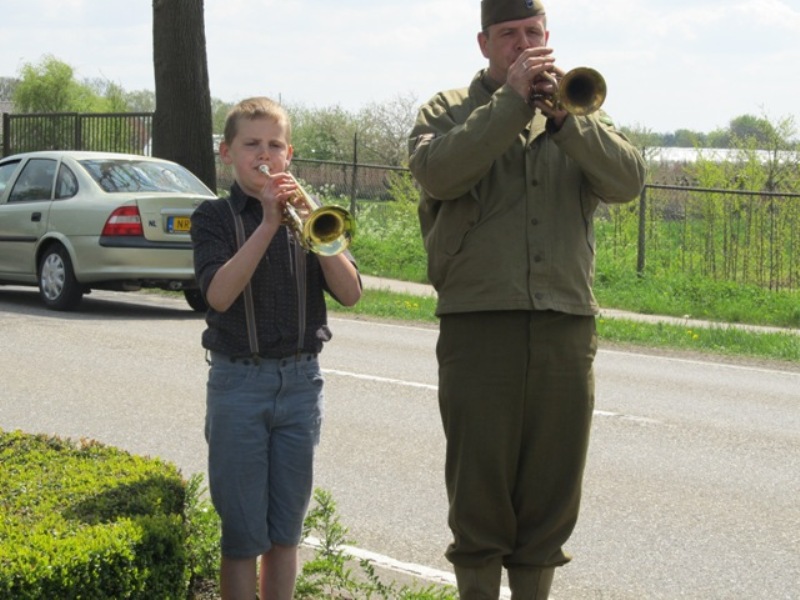
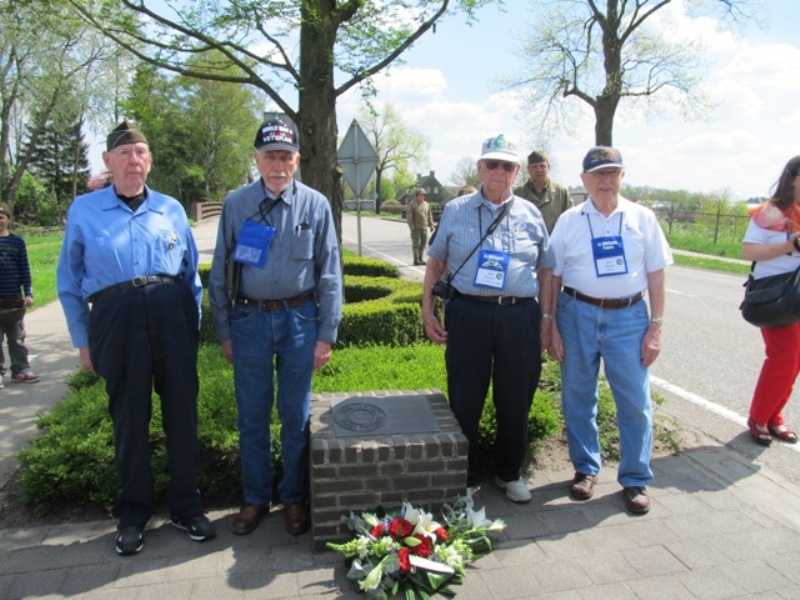
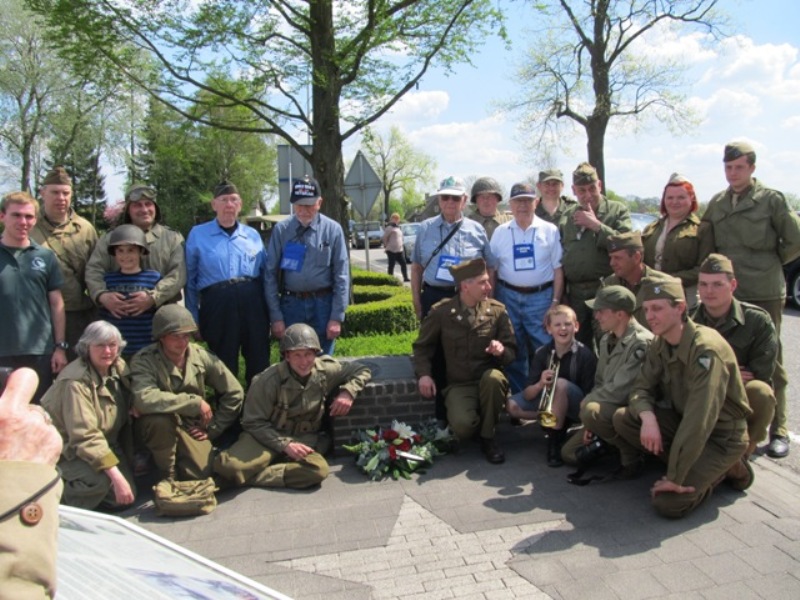
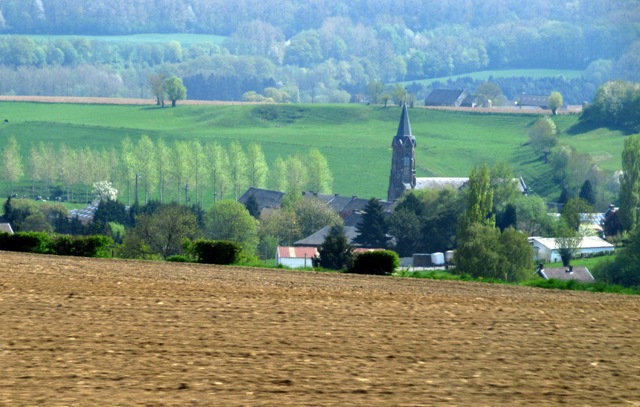
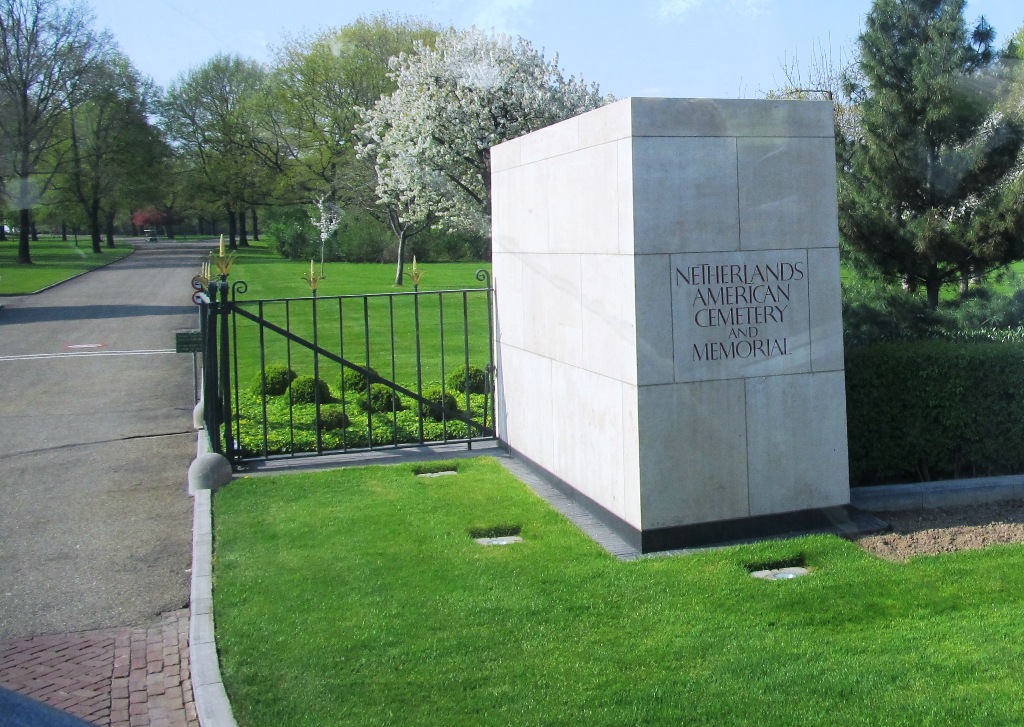
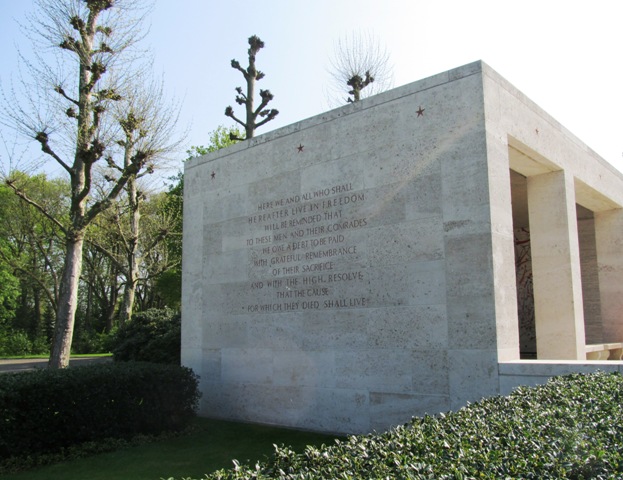
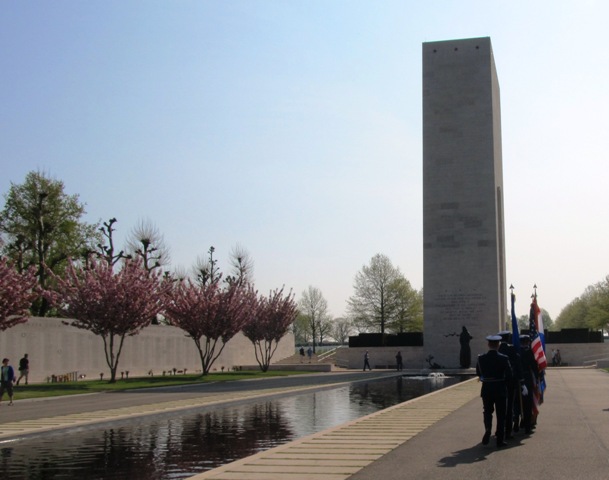
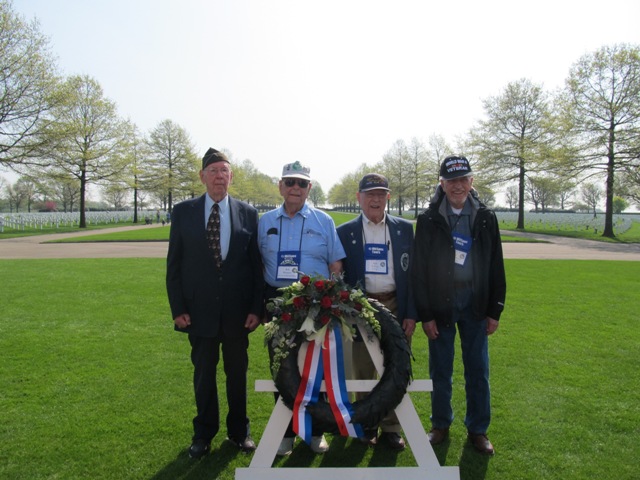
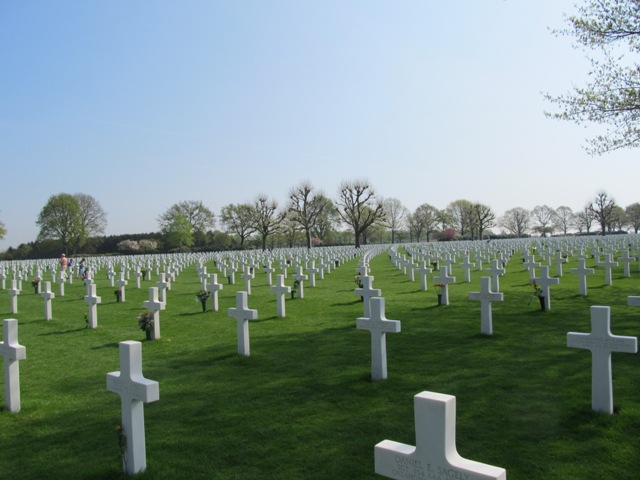
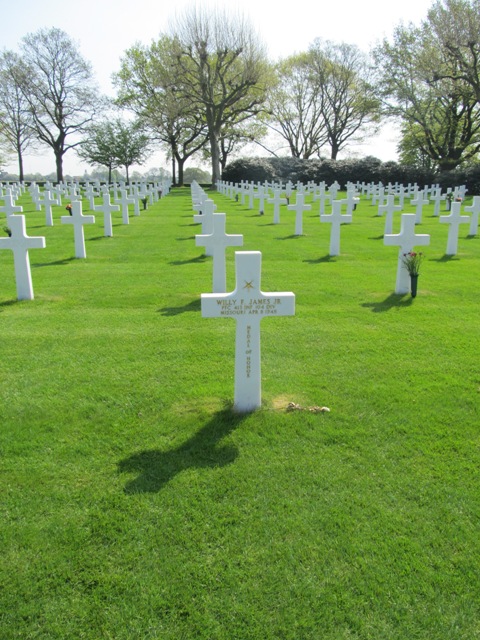
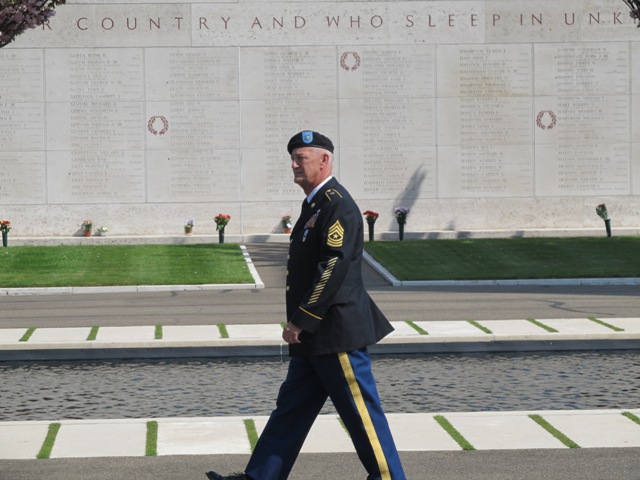
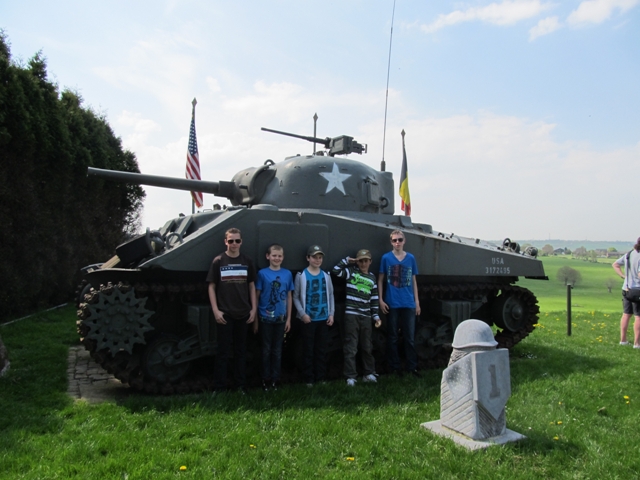
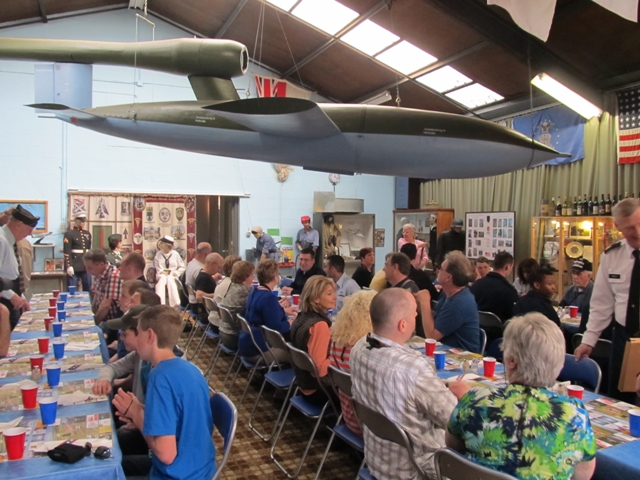
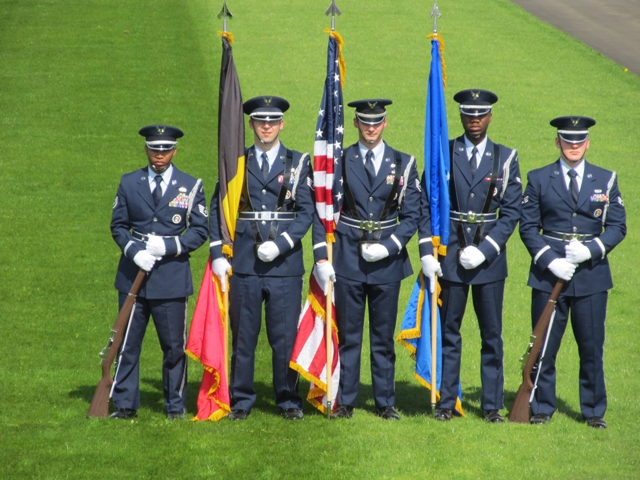
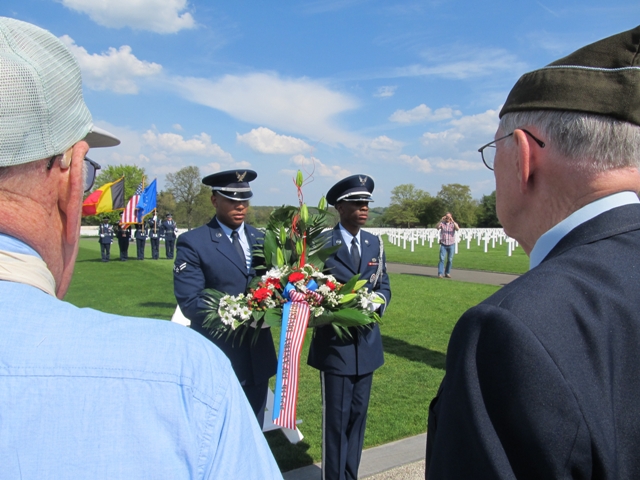
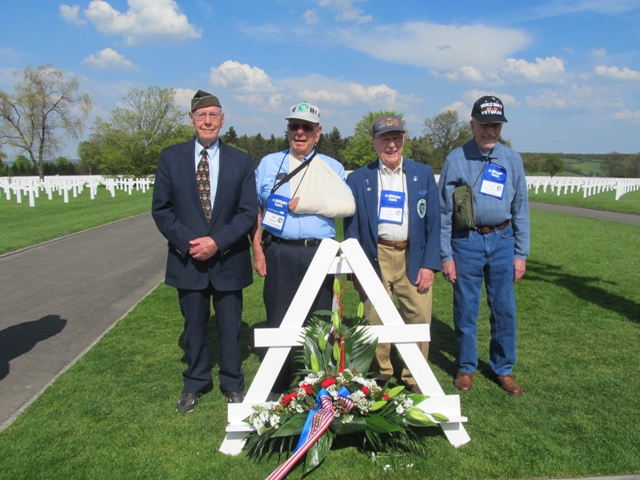
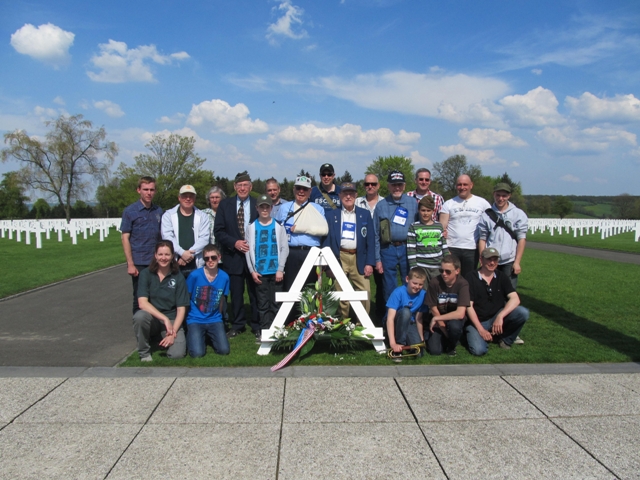
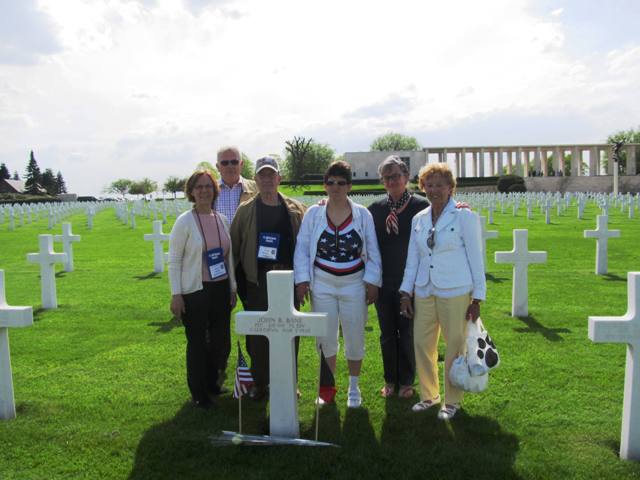
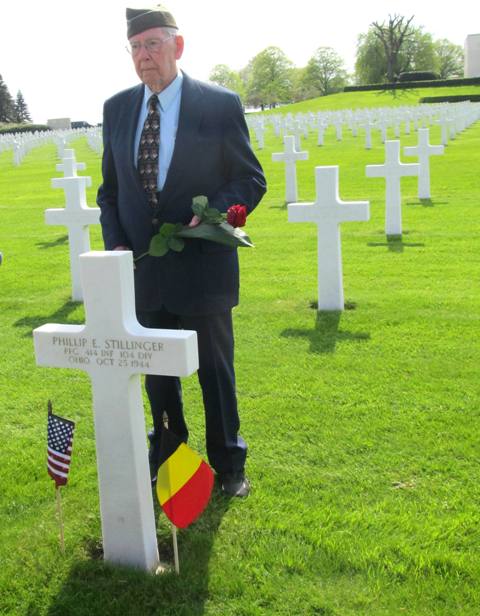
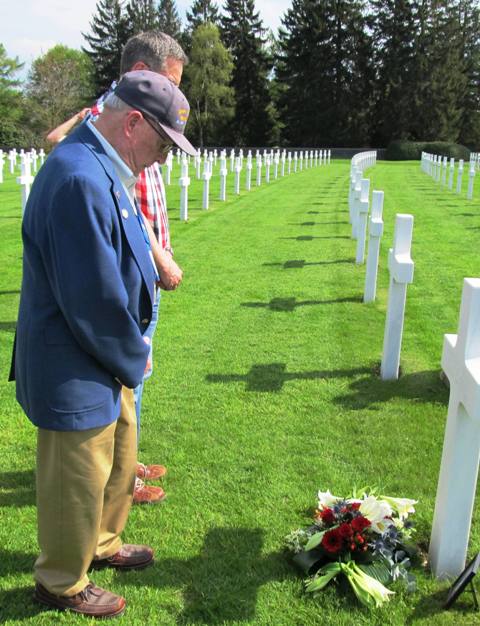
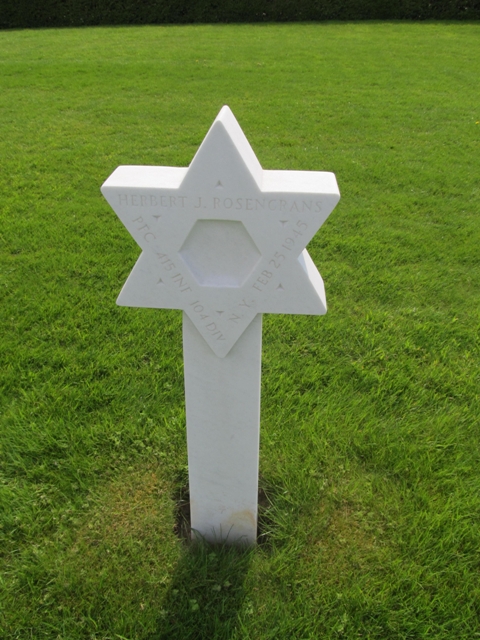
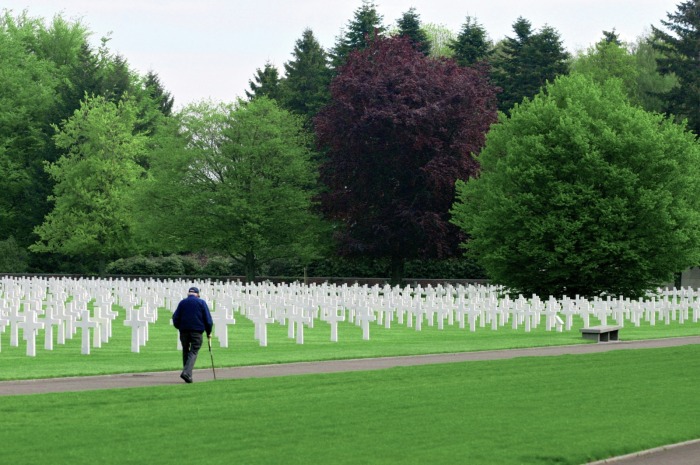
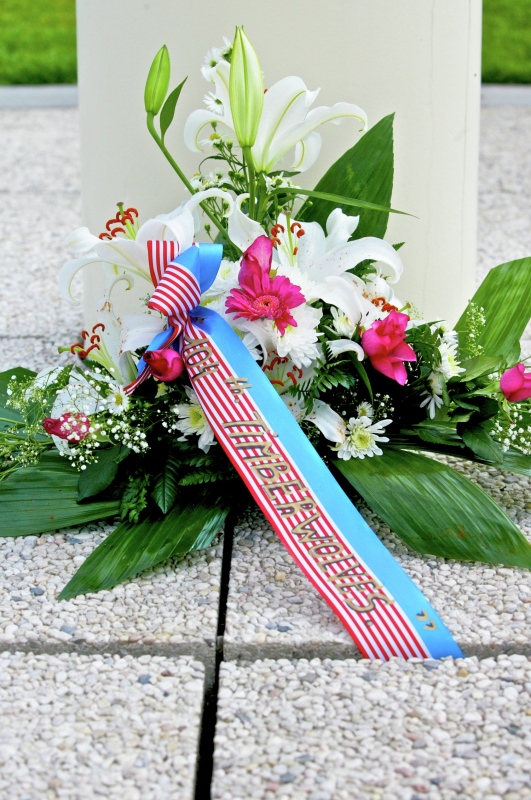
We left Breda and headed southeast across the beautiful Dutch countryside stopping first at the Netherlands American Cemetery located near the town of Margraten. Our Friends of the Timberwolves from the Netherlands and Belgium joined us at the cemetery for a special wreath laying ceremony which included a color guard from a local US military base, helping make our ceremony even more memorable. Peggy Gouras read a poem and the veterans laid a wreath in memory of their fallen comrades. From Margraten, we headed through Dutch farm country, crossing into Belgium and stopping at the M&M Museum where Mathilde and Marcel Schmetz fed us lunch and gave us a tour of their very special museum of WWII history. We were joined for lunch by the color guard members from our Margraten wreath laying ceremony. After our tour and visit with the M&M’s we headed to Henri-Chapelle American Cemetery. We had another wreath laying ceremony and Veteran John Tyrell spoke about a special buddy buried at the cemetery. John Holmes met the family from Belgium who has adopted the grave of his uncle and namesake and the Friends of the Timberwolves laid a wreath at the grave of Arnold E. Skuza, PFC, 413 I, whose grave they adopted. After our solemn time at the cemetery, we shared some tearful goodbyes with our Friends of the TImberwolves (although some will join up with us again in the tour) and continued on towards Aachen. When we arrived in Aachen we had a chance to stop and tour the beautiful Aachen cathedral, said to be the burial place for Charlemagne. Also, in this church encased in a gold sarcophagus are the four great relics of Aachen, Mary’s cloak, Christ’s swaddling clothes, John the Baptist’s beheading cloth and Christ’s loincloth. A beautiful, historic church on all accounts! We finished our evening with a group dinner at our Aachen Hotel where we were joined by our tour guide for tomorrow, Albert Trostorf and his wife Shiela, as well as Mareike and Peter Wollschläger, owners of the Frenze Muehle or Frenz Mill. Albert had a power-point presentation ready for us to brief us on tomorrow’s sites!
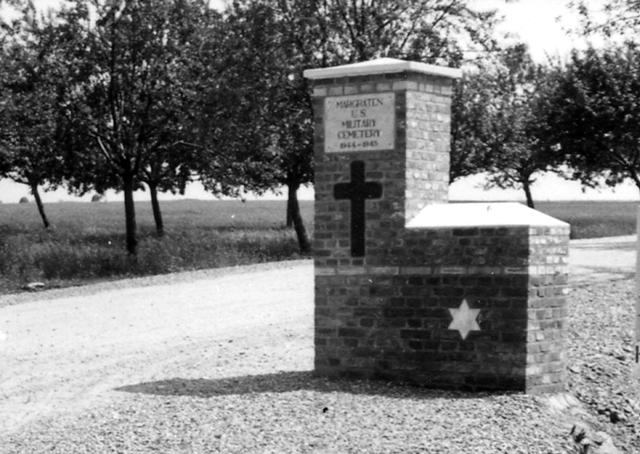
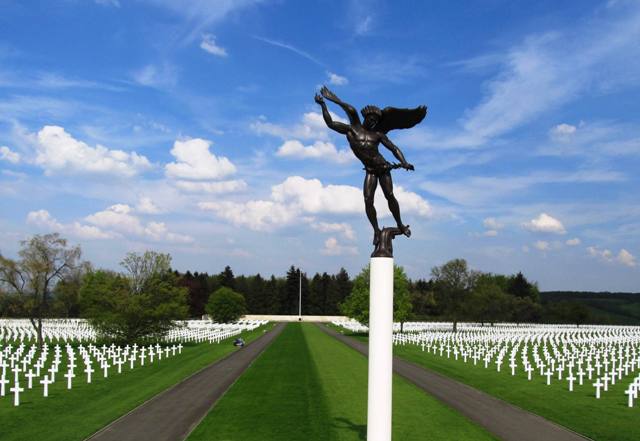
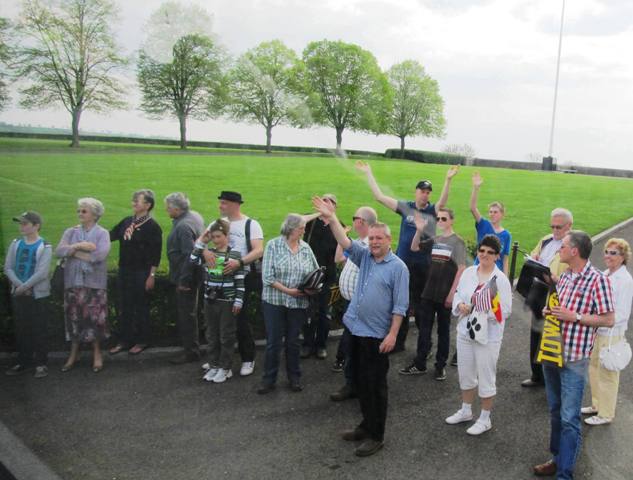
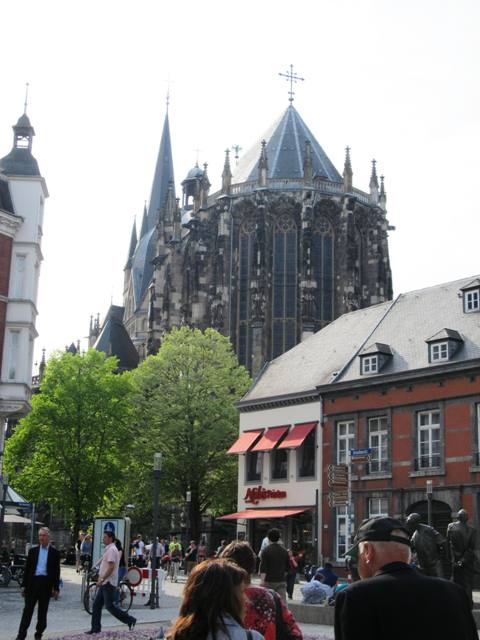
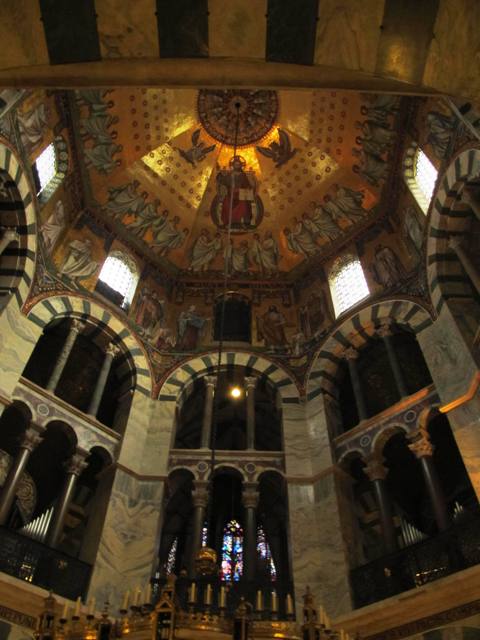
Period photo by PFC William Jamieson, 415 D, used with permission of the Jamieson family. All rights reserved.
May 7, Day 6 - Siegfried Line, Stolberg, Frenze Muehle, Roer River
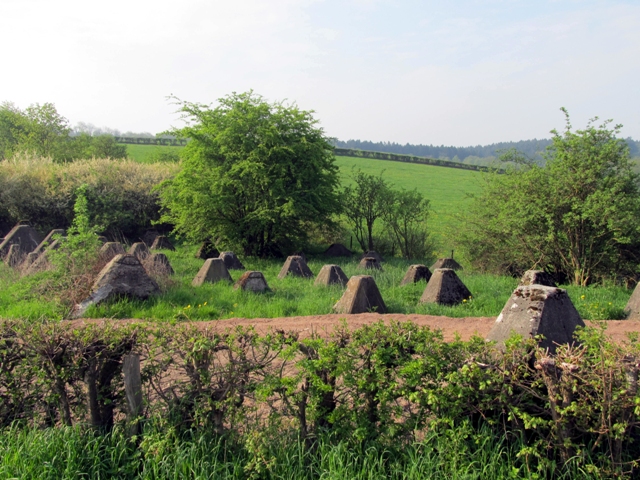
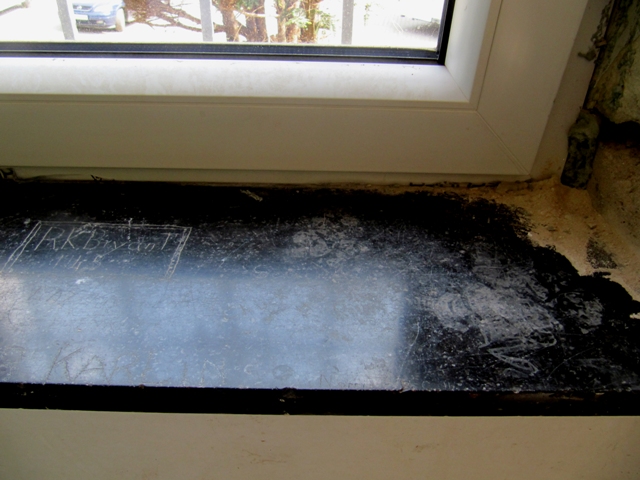
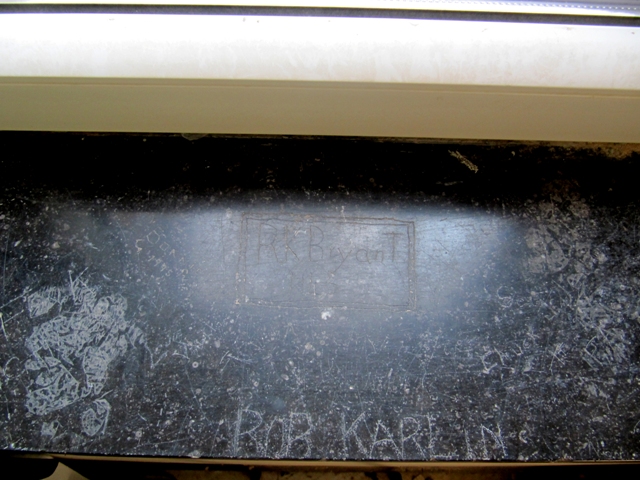
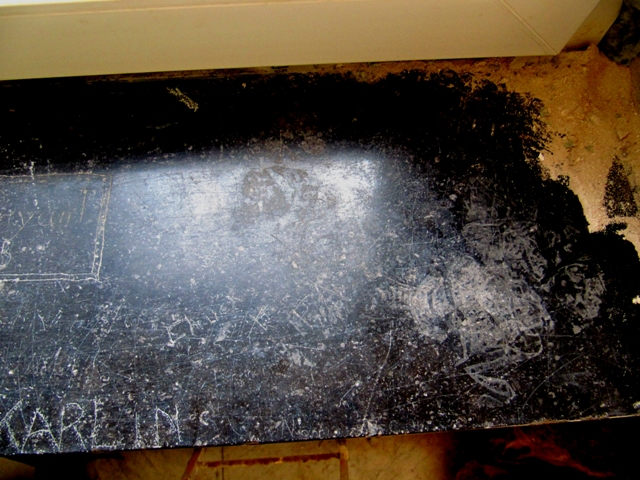
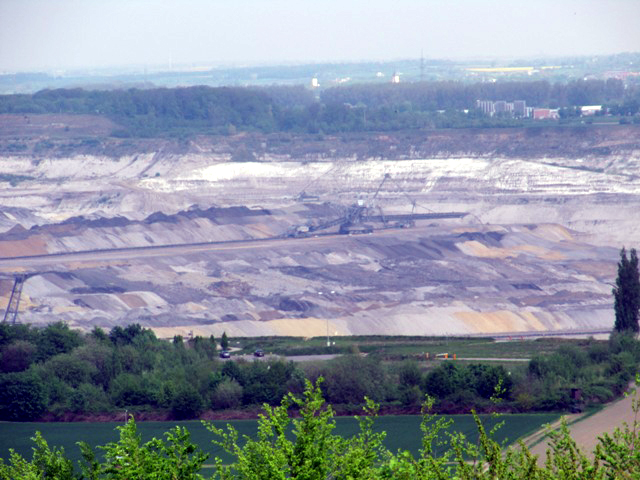
We started the day with a stop at the Siegfried Line where we were able to get out and examine the dragon’s teeth tank defense system up close and personal. A few of us may have actually brought back a little piece of this history in our suitcases. Just saying… From the Siegfried Line, we traveled to Weisweiler to see the site of the “friendly bombing” incident that occurred Jan. 10, 1945 on the Divisional HQ and Medical Unit. It was eerie to see the electrical factory much as it was in 1945 next to where the former briquette factory was located. The autobahn is much wider and busier nowadays but seeing the site was very moving and our guide, Albert assured us that on the otherside of the autobahn there was formerly located a soft coal mine. From the site at Weisweiler, we headed on to Frenz to visit the Frenzer Muehle, the site of a former mill that was situated right on the banks of the Inden River. Since WWII, the river has been relocated for flood control purposes. The new owners of the mill, Mareike and Peter Wollschläger, while remodeling their home, discovered a windowsill with American names and cities etched in it. Determining that the Timberwolves had fought in the area, Wollschlägers, contacted Sandra Eberhard, webmaster of the NTA website, to find out more about the history of the Timberwolves in the Frenz locale. Sandra recognized the names of the Timberwolves etched into the windowsill and realized they belonged to a squad from 415 AT. Charles Norris, author of “Life in the Army, Letters to Jean,” also a member of the same squad, describes the Mill in his book and mentions the time spent during a period of reserve at the mill. Mr. Norris autographed a copy of his book so that we could present it to the Wollschlägers as a gift and they were thrilled to receive this piece of history regarding their Frenzer Muehle (mill.) We had a great deal of fun touring the mill and enjoying the warm and gracious welcome we received at the Mill. From Frenz, we headed past Lamersdorf and Luchersberg to the location of the former town of Inden, which has been swallowed up by a large brown coal (lignite) mine. We viewed the mine from a tall structure and stopped at the edge of the mine to watch the mining operations. After lunch we headed to the location that the First Battalion of the 415th Regiment crossed the Roer River. Standing on the riverbank with the still and calm river as a background, Bob Huber retold the story of the crossing the turbulent Roer River on the night of February 23, 1945. It was a very moving and poignant moment of remembrance. At Sindorf, we recounted the incident where three senior officers of the Second Battalion, 414th Regiment were killed when a shell destroyed the battalion command post. This provided another solemn time of remembrance. We crossed the Cologne plain and entered the great city of Cologne in awe, knowing that the Timberwolves had “taken” this great German city. Although, most of the city was leveled by allied bombing, the beautiful Cologne or Köln Cathedral remained intact. We spent the afternoon discovering the cathedral and surrounding blocks. After a long and full day, we headed back to the hotel for dinner.
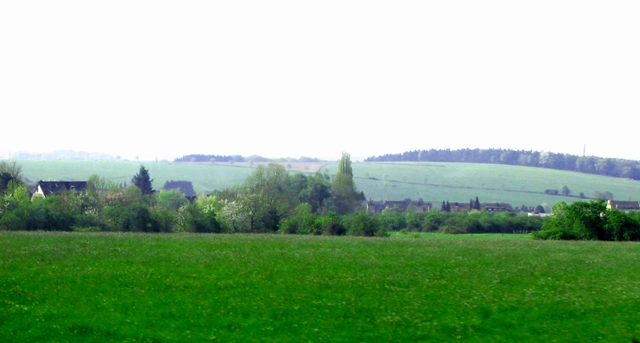
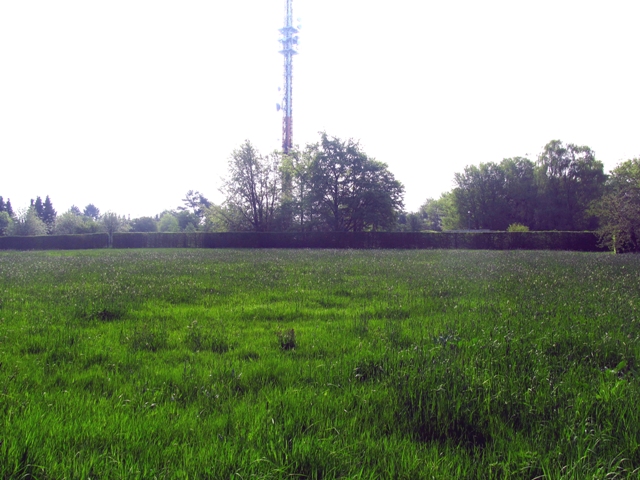
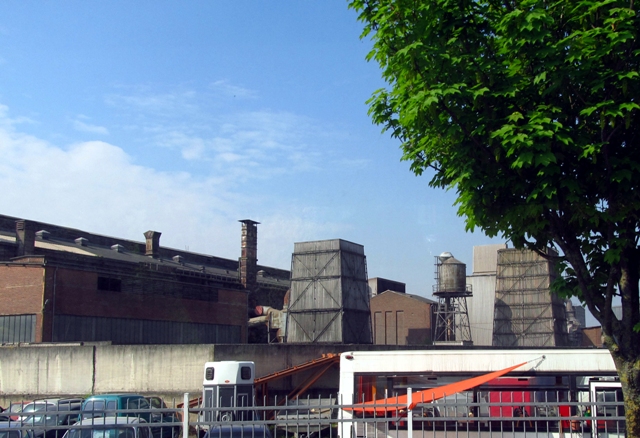
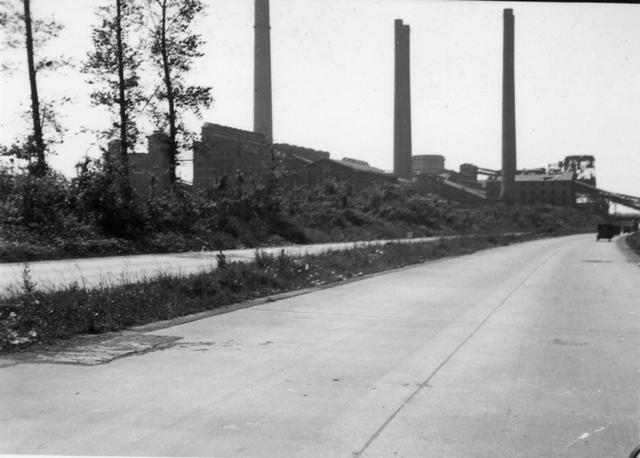
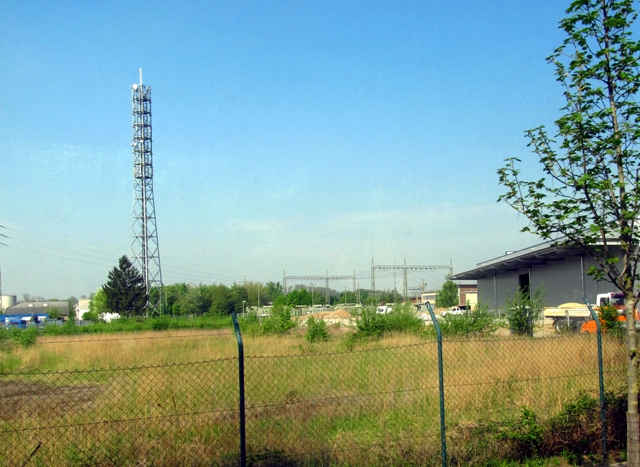
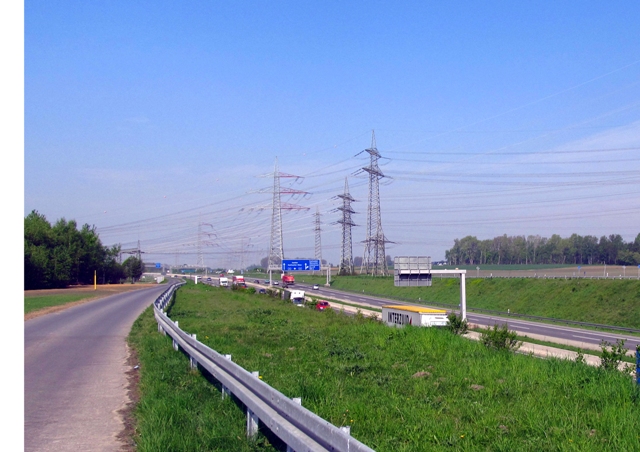
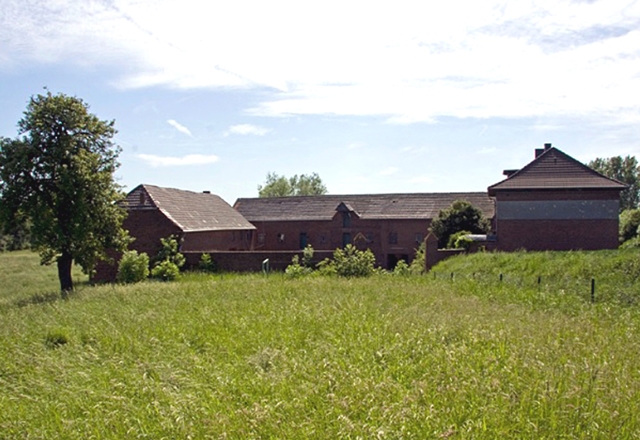
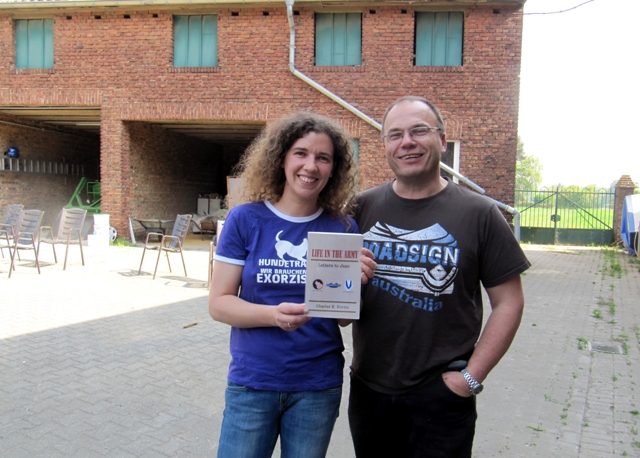
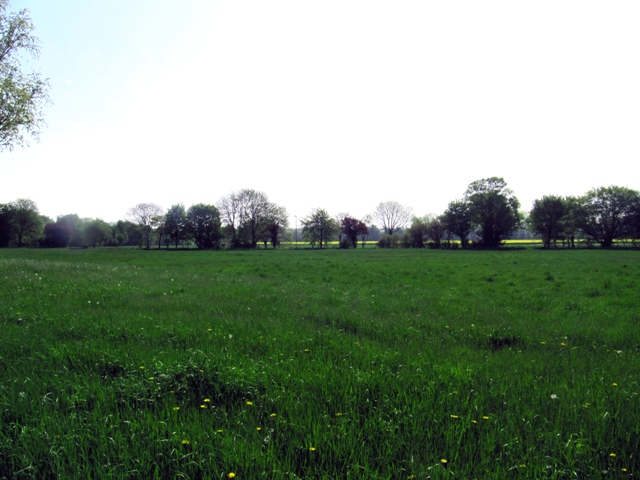
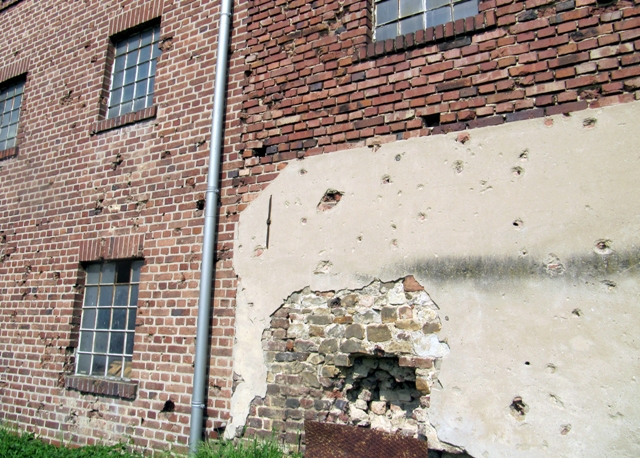
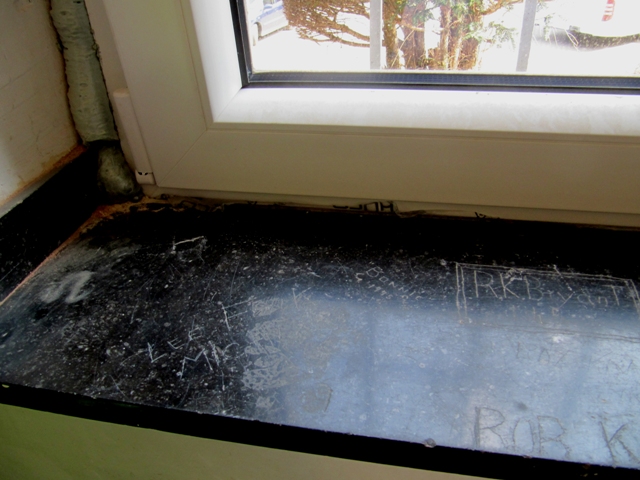
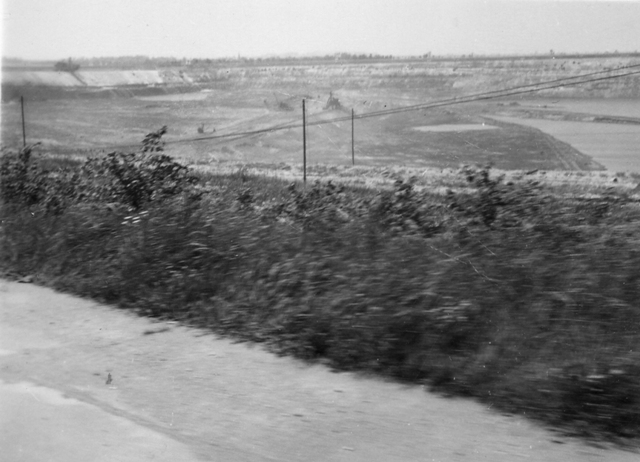
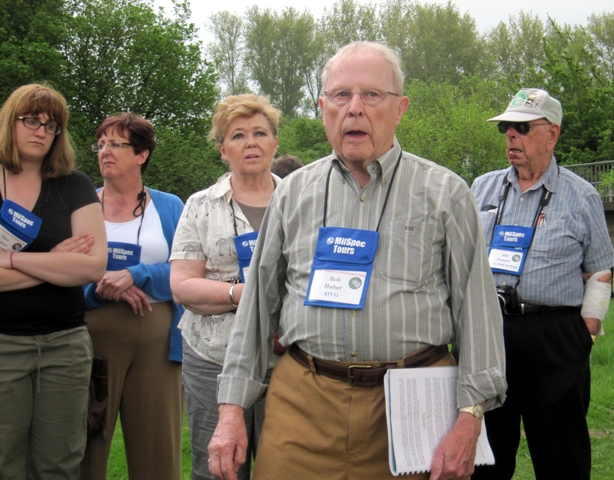
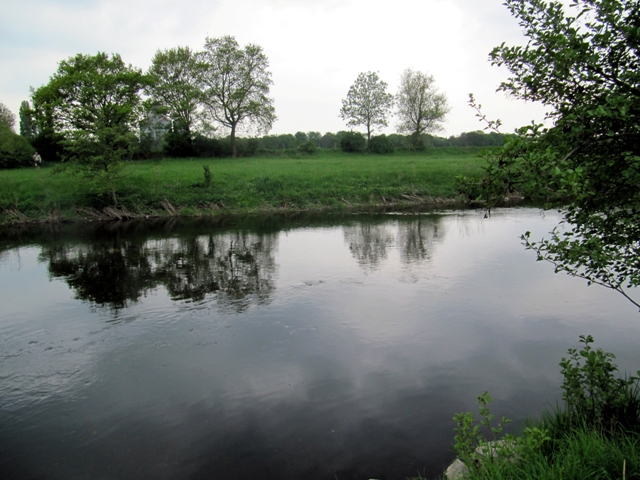
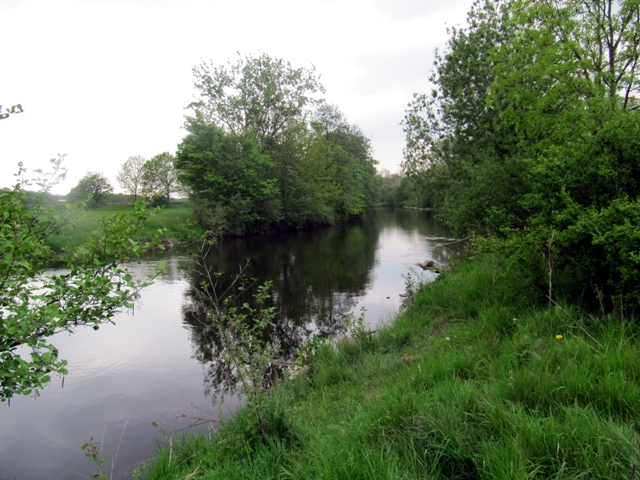
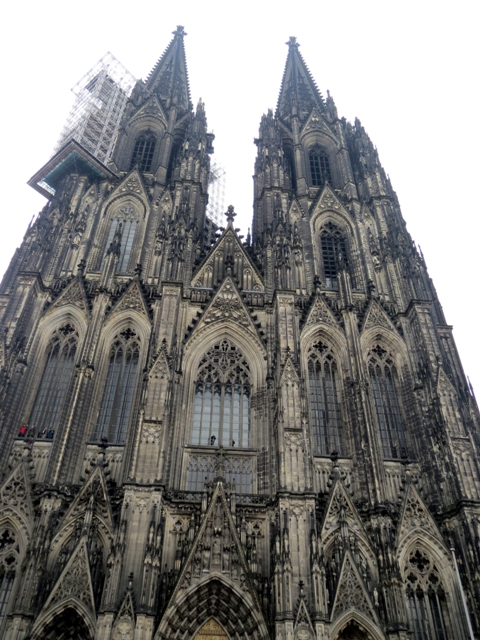
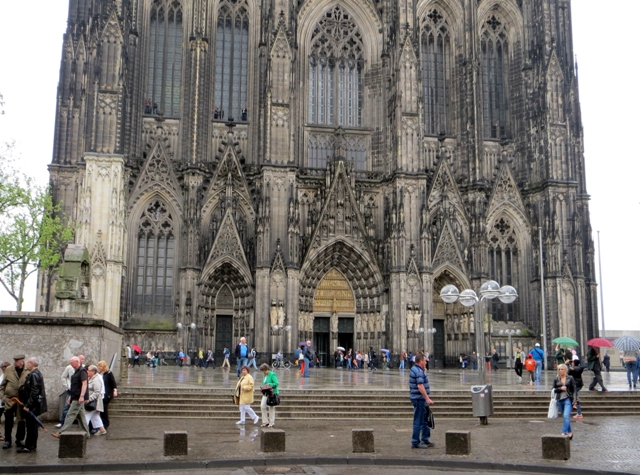
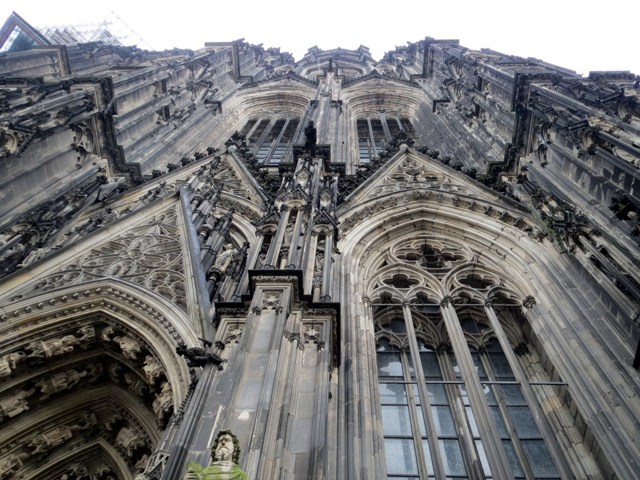
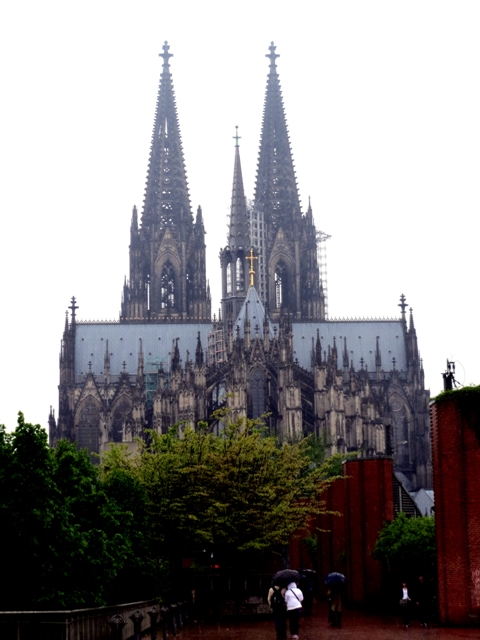
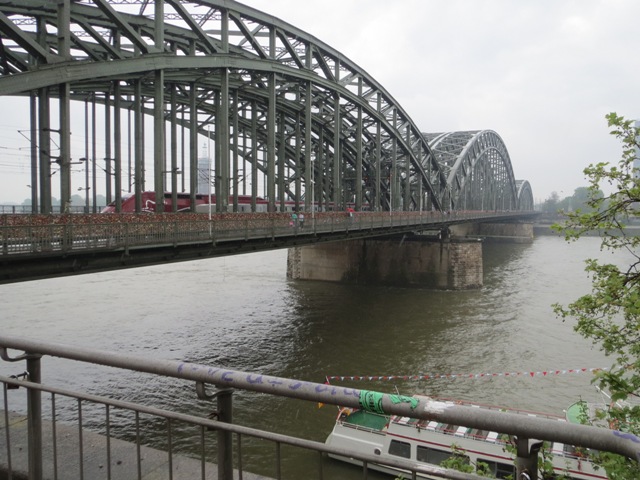
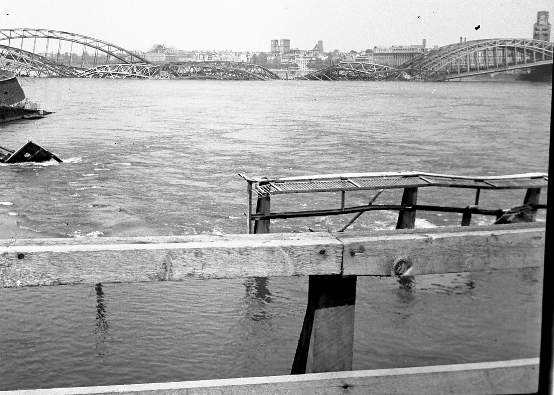
Period photos by PFC William Jamieson, 415 D, used with permission of the Jamieson family. All rights reserved.
May 8, Day 7 - From Cologne to Remagen, Across the Westerwald to Kassel
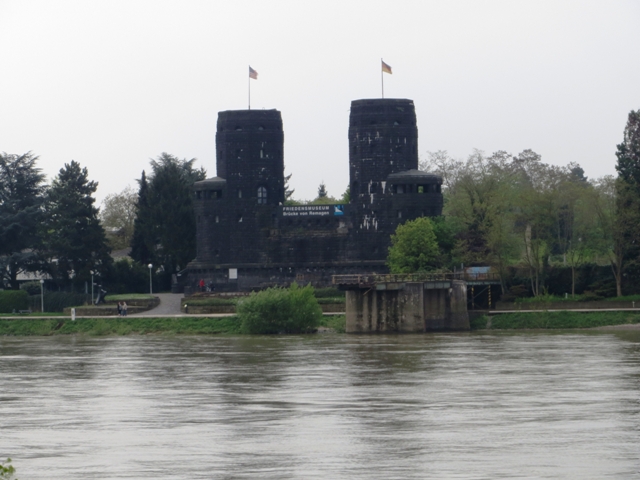
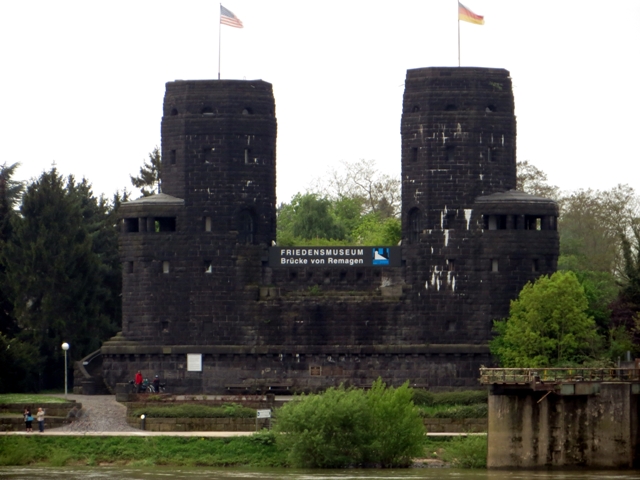
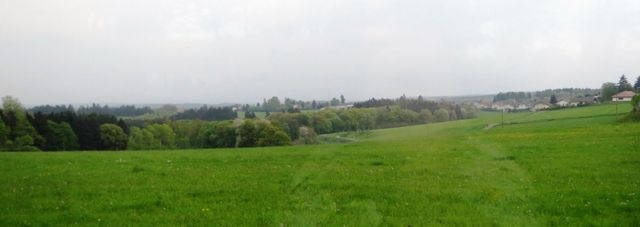
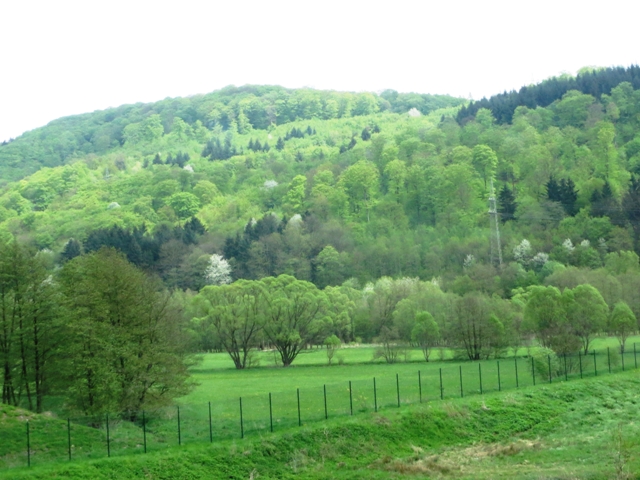
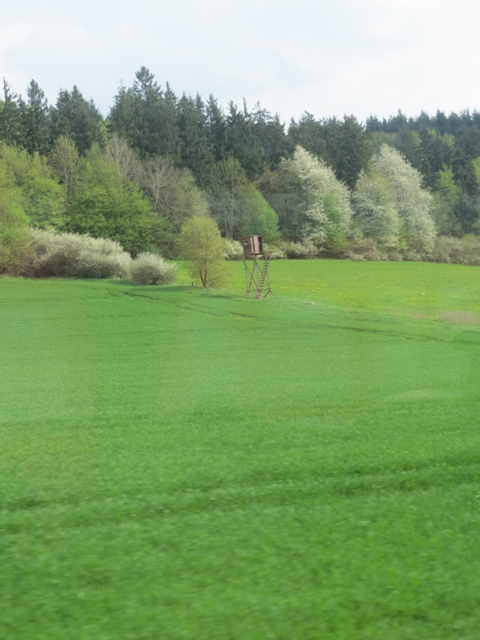
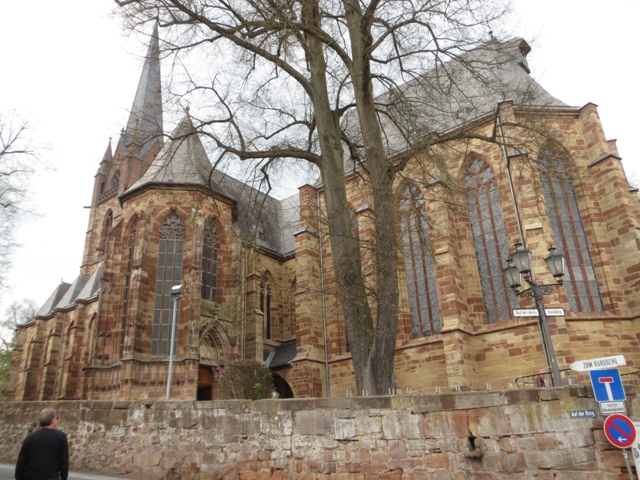
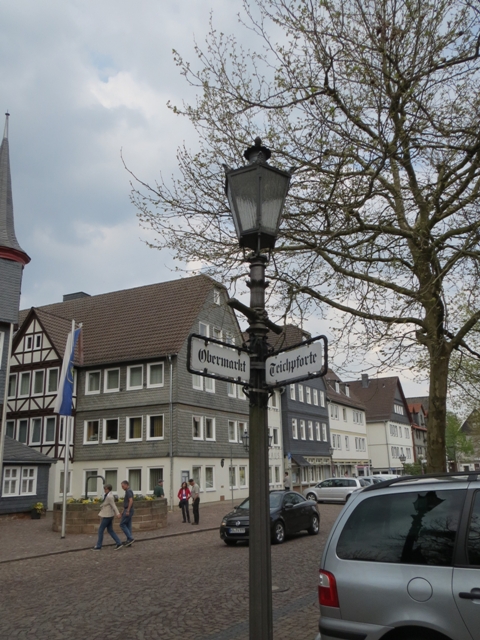
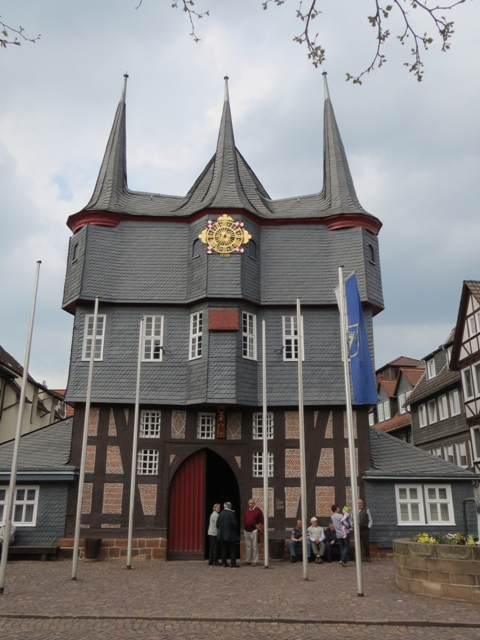
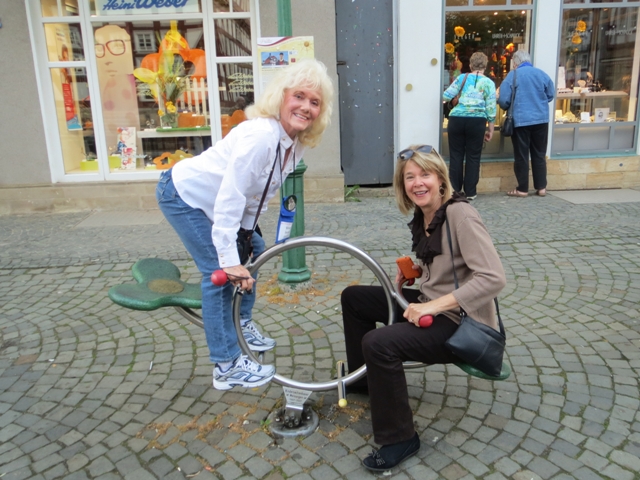
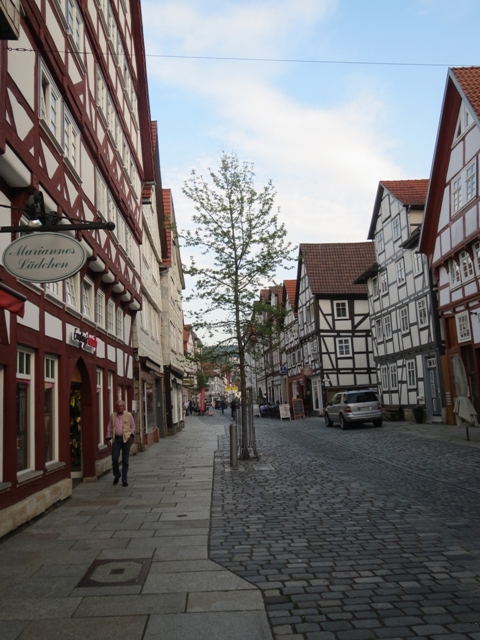
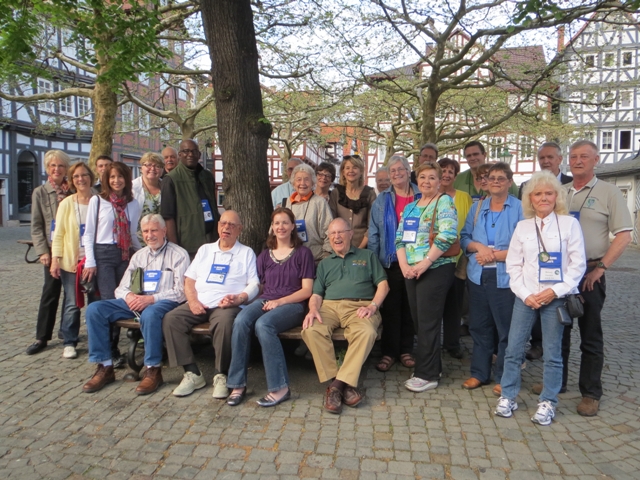
The morning found us heading from Aachen, once again, into Cologne. We passed through Cologne and headed south along the beautiful Rhine River passing through Bonn, the former capital of West Germany. South of Bonn, we saw a ruins of a castle above the Rhine River called Drachenfels and stopped at the site of the former Remagen bridge. Anchored above the river like a sentinel, the Apollinaris church watched guard over the Remagen crossing site. In 1945, some of the units within the division crossed the Rhine River at Remagen while others crossed as far north as Konigswinter. On this day, from Remagen, we headed in a slightly northeastern direction tracking the Timberwolves’ southern pincer advance through the Westerwald where in 1945, the German industrial areas and a third of a million German soldiers were trapped in the Ruhr Pocket. As we tracked through the countryside, made familiar to us all by the Brothers Grimm and their fairytales, we see the romantic scenery of forested hills, pastoral farmlands with villages nestled into valleys and abreast of rolling hills with an occasional castle on a hill. I think I spied the Pied Piper, Snow White and Rapunzel along with Hansel and Gretel headed for one of the castles! We stopped in Frankenberg, a typical German town in this area of Germany for coffee and a walkabout – what a very magical town – just like in a fairytale! We finished our evening in a small village near Kassel called Melsungen with a walk about the town and a lovely, traditional German dinner.
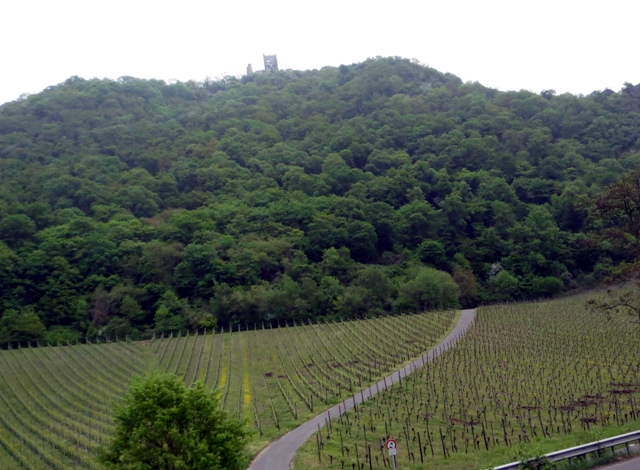
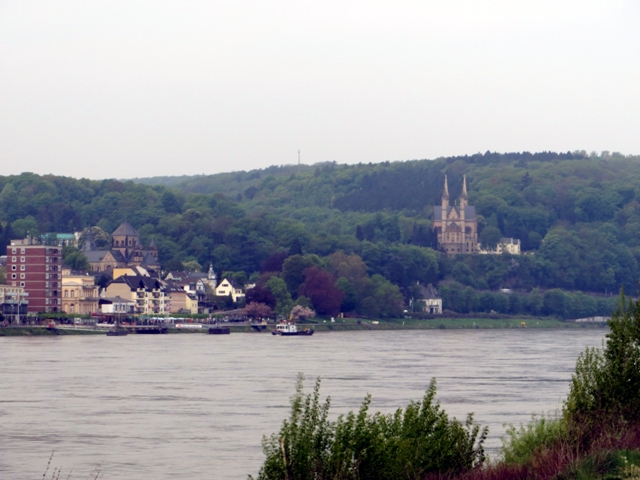
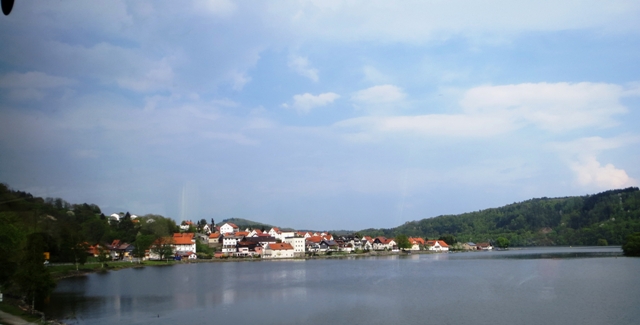
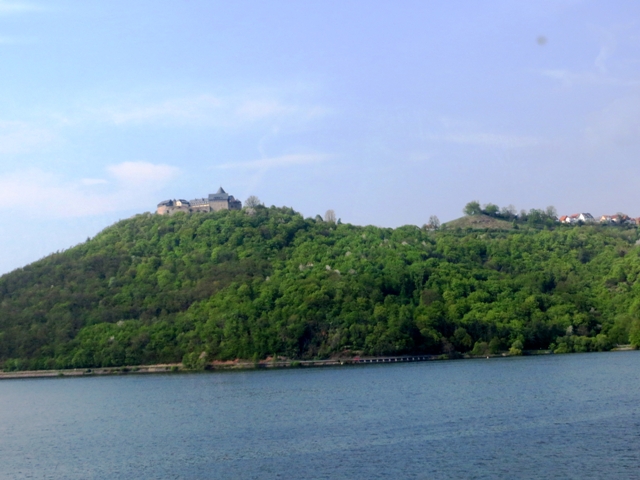
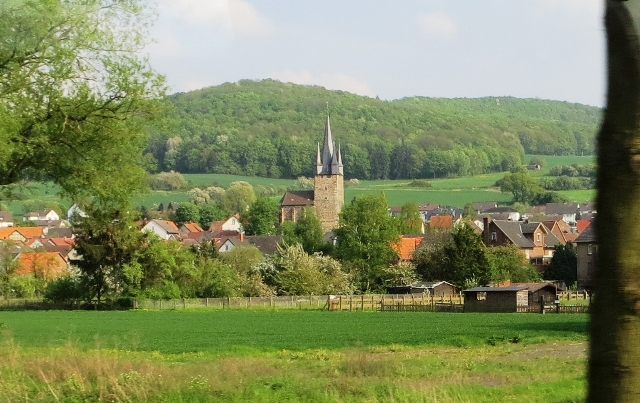
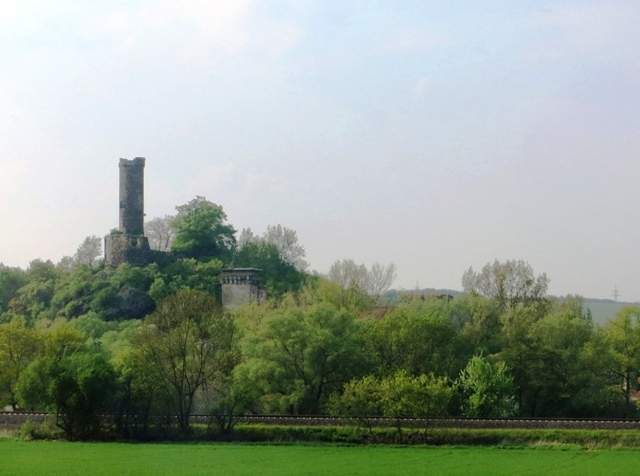
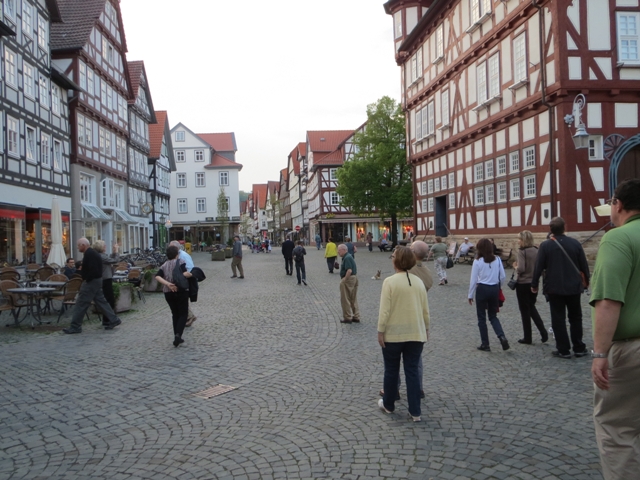
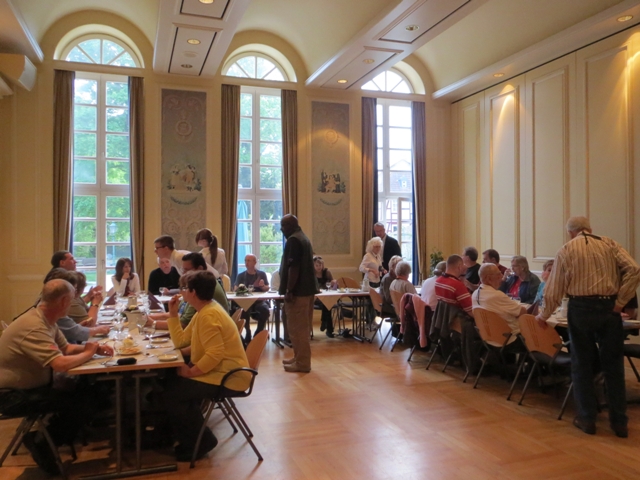
May 9, Day 8 - Kassel, Verliehausen, Nordhausen and Halle
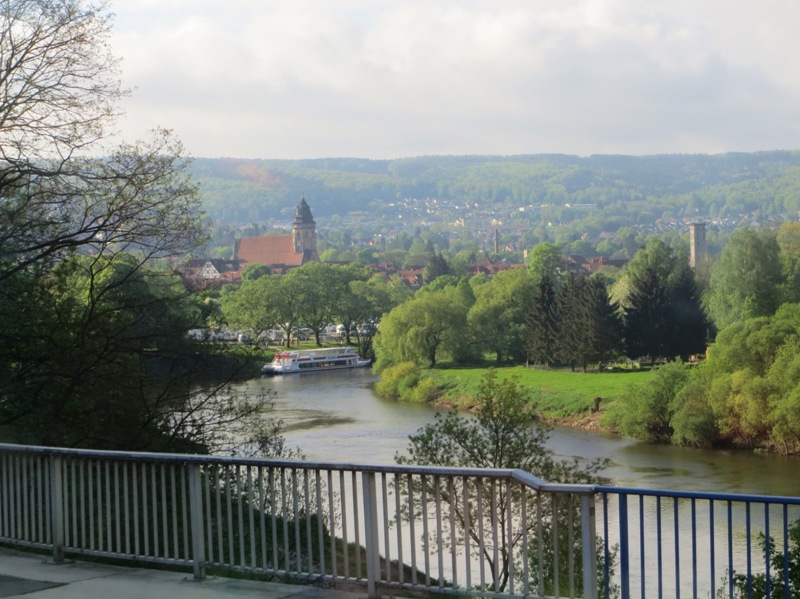
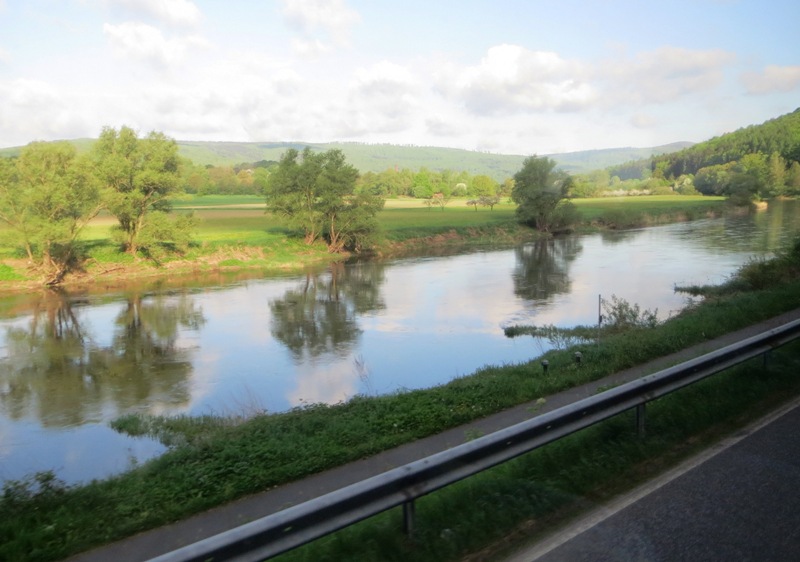
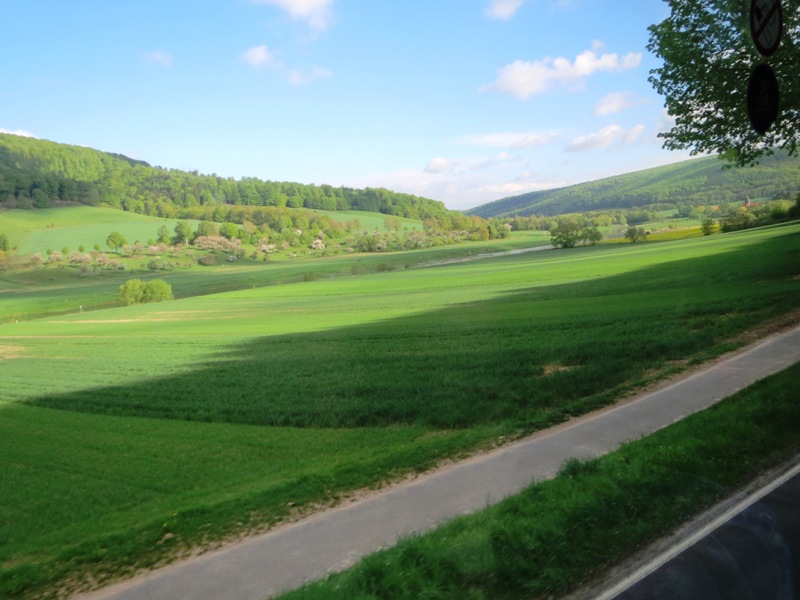
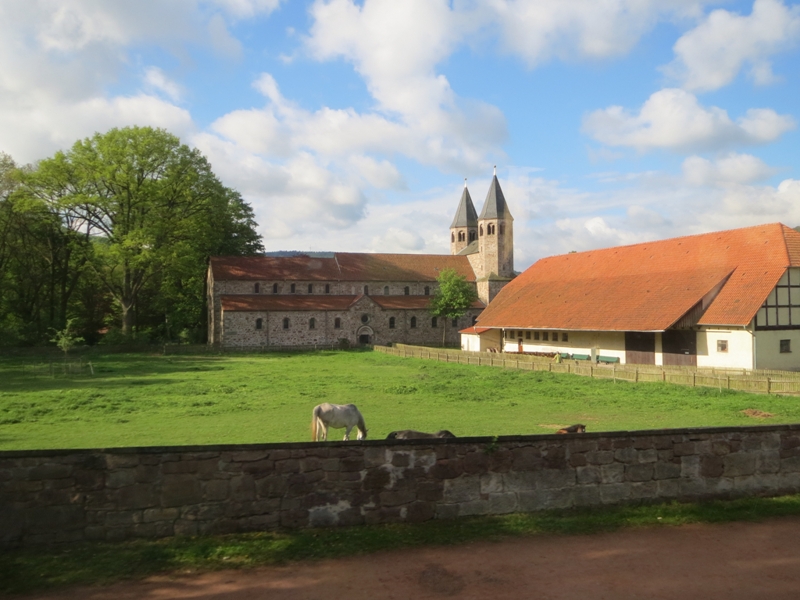
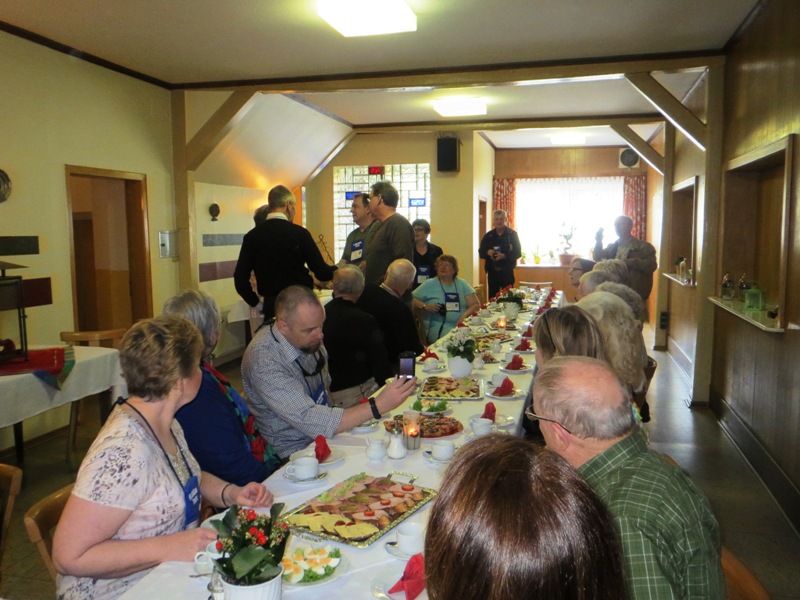
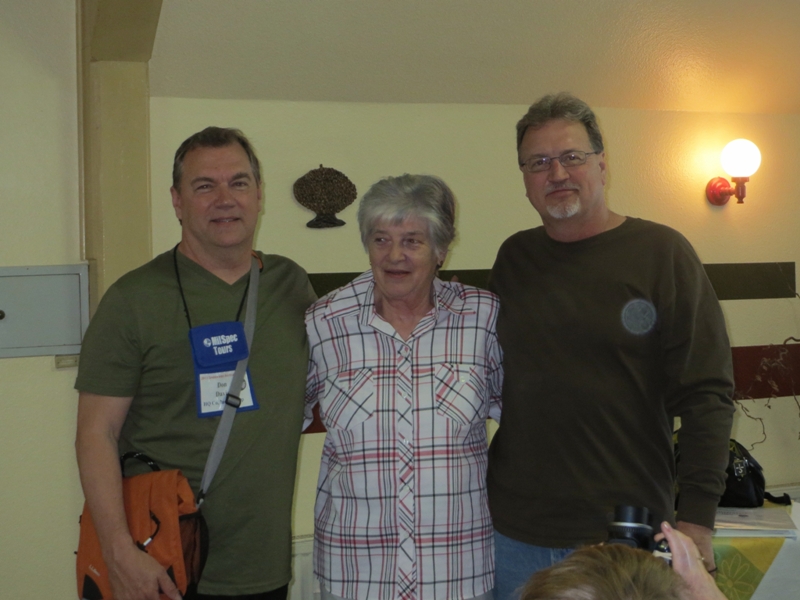
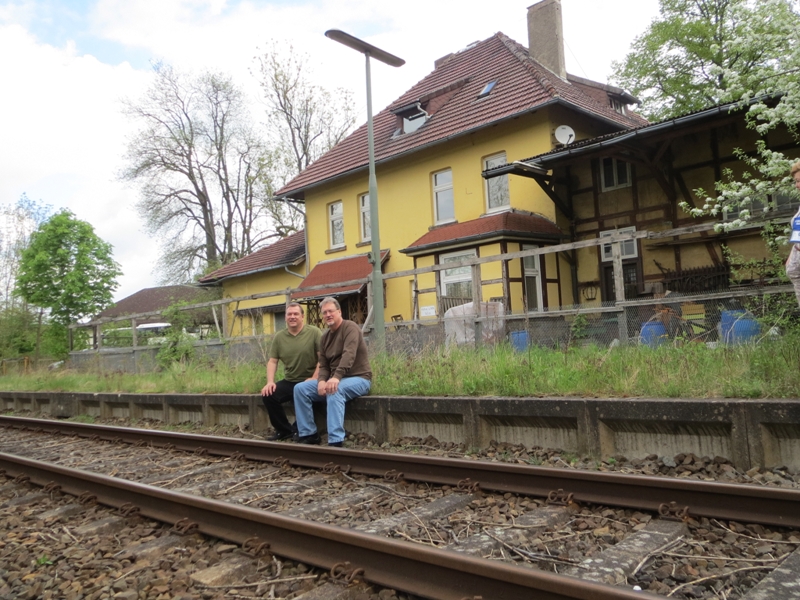
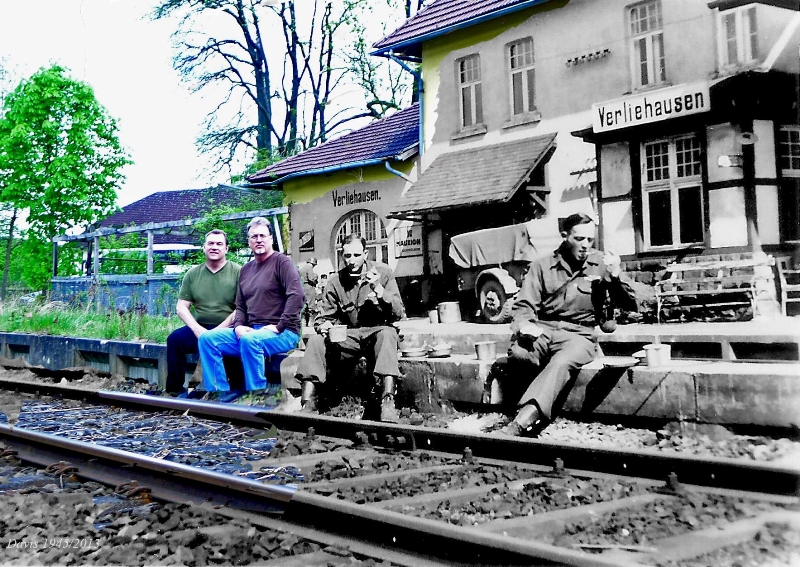
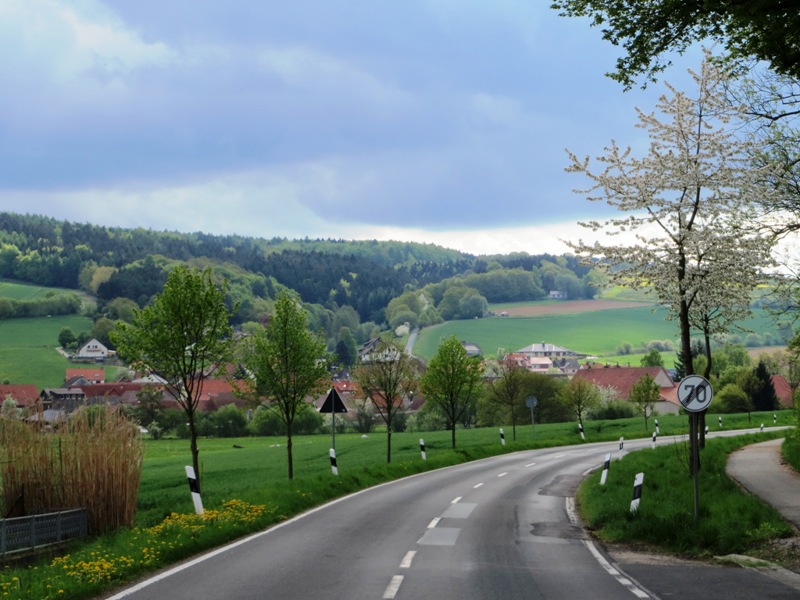
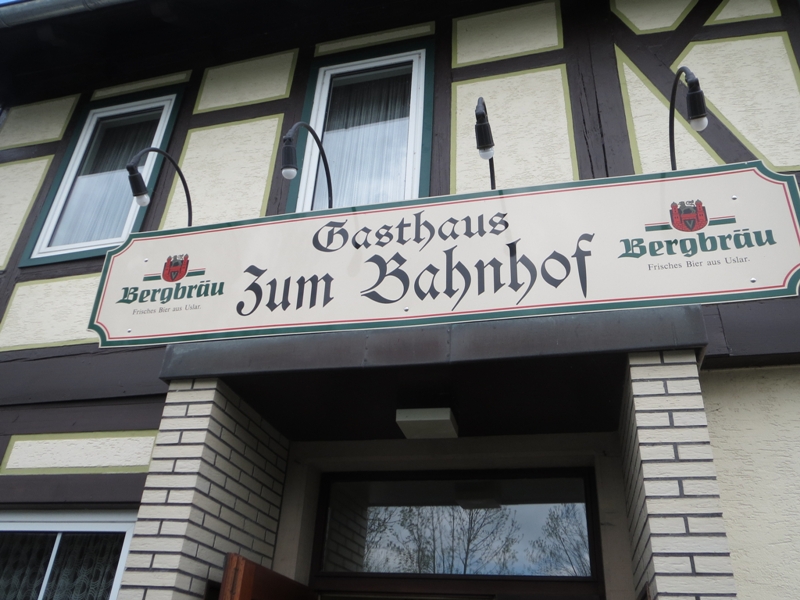
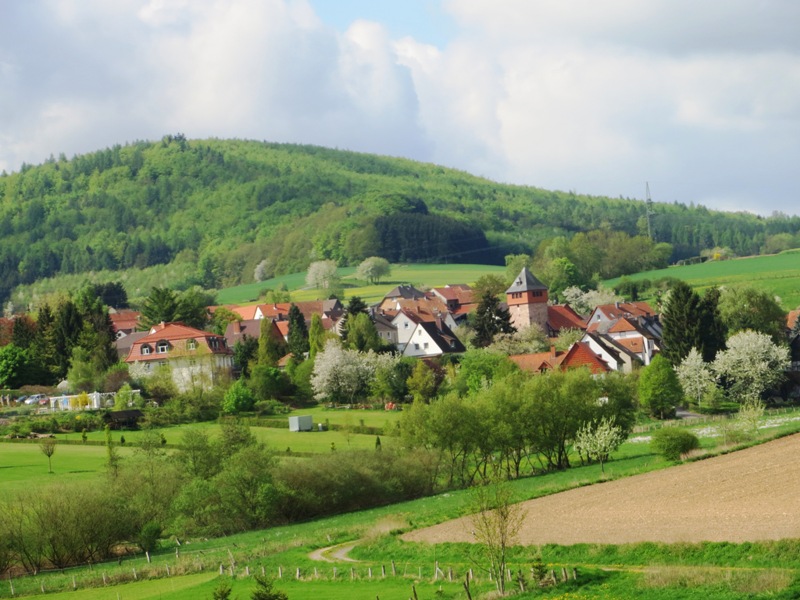
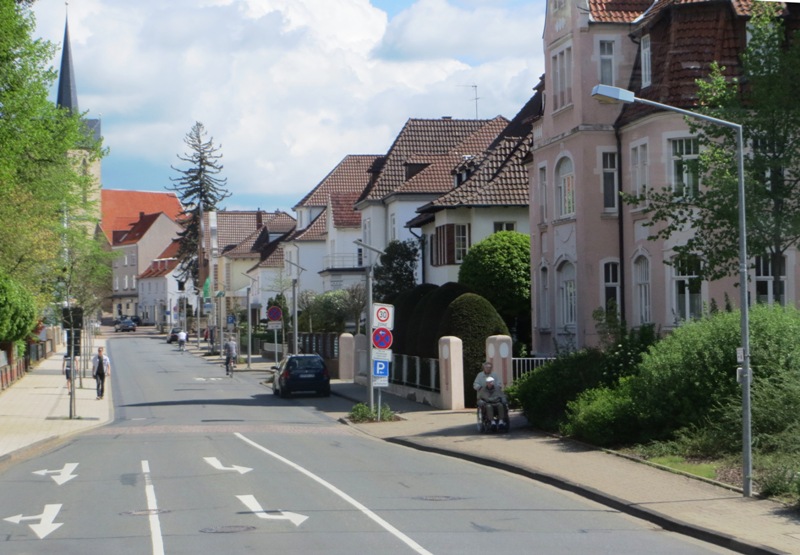
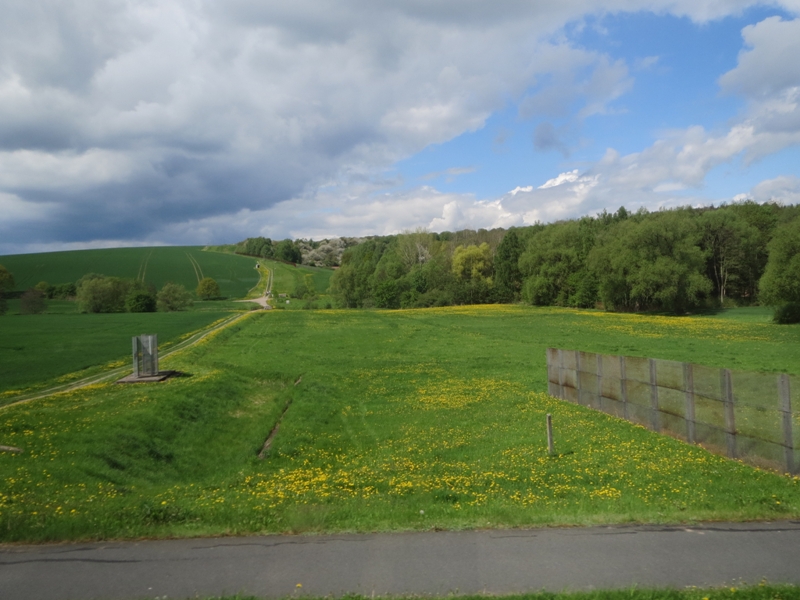
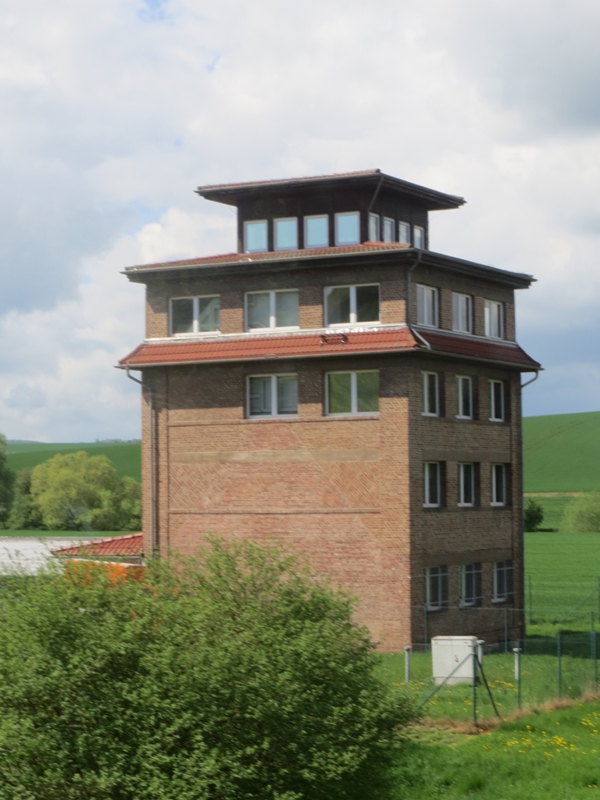
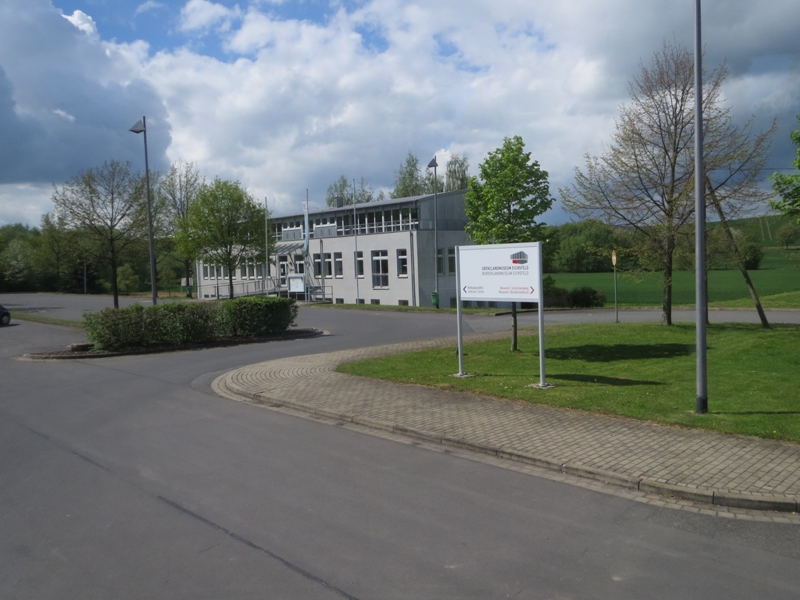
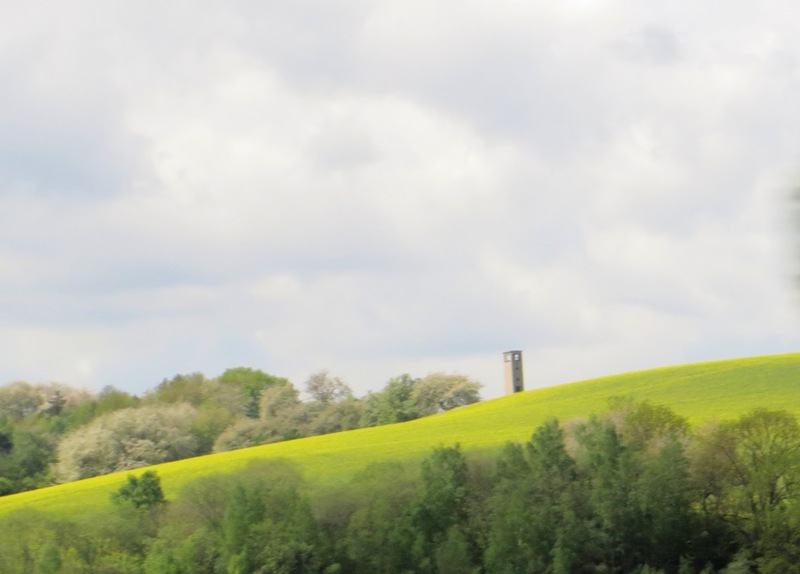
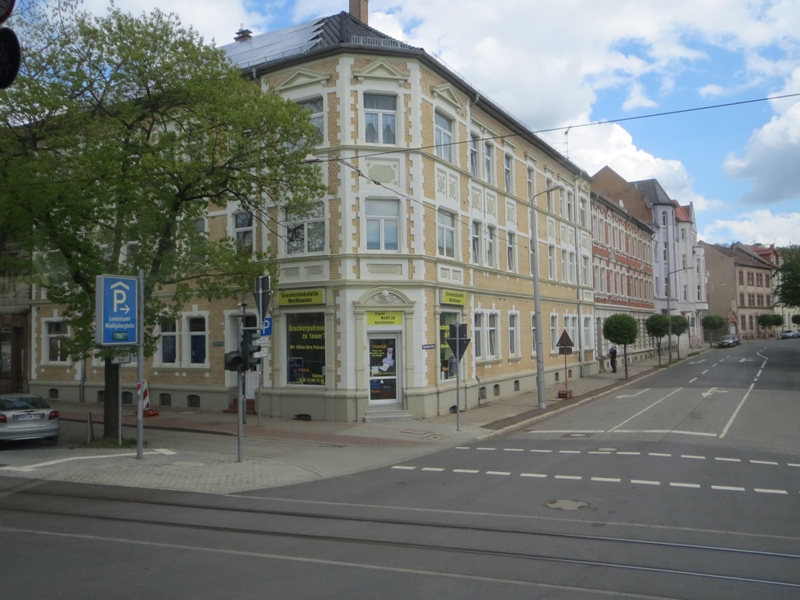
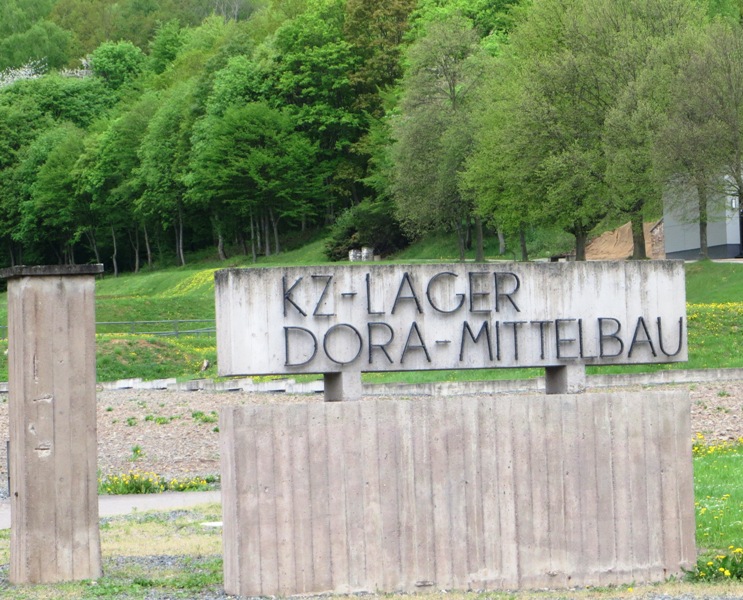
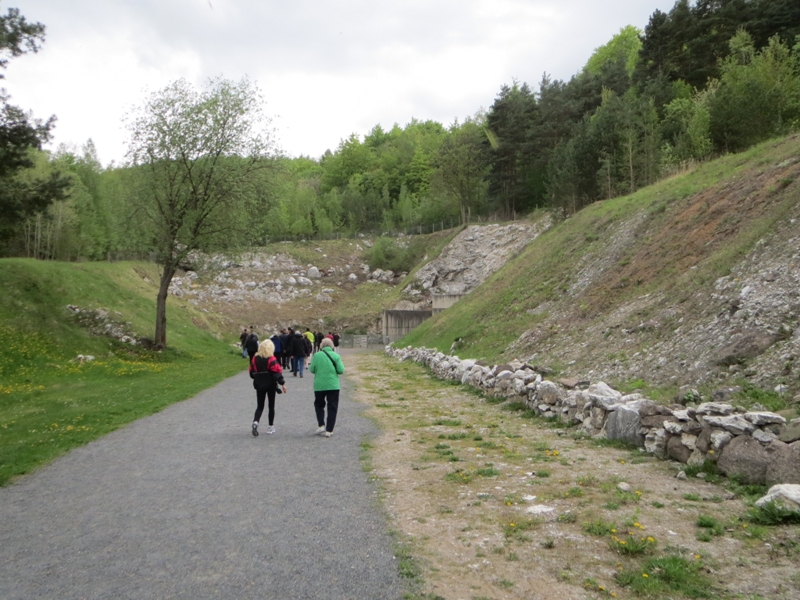
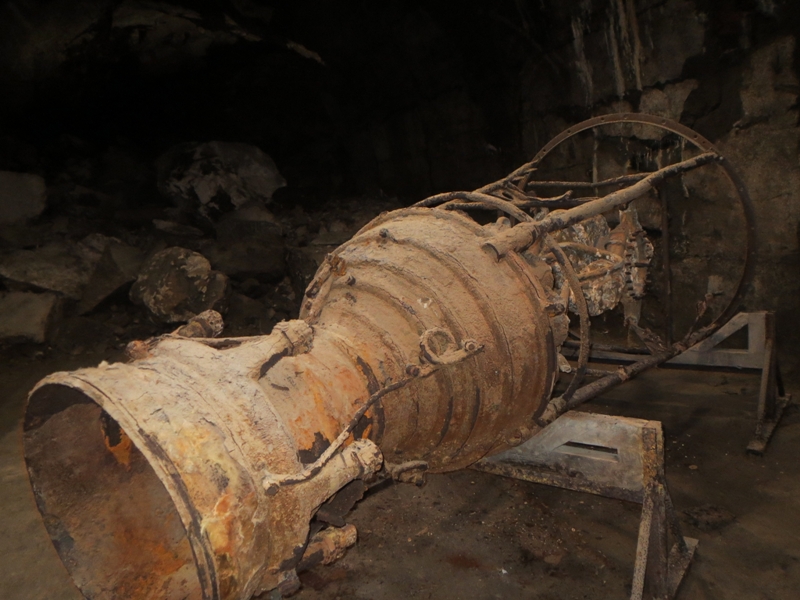
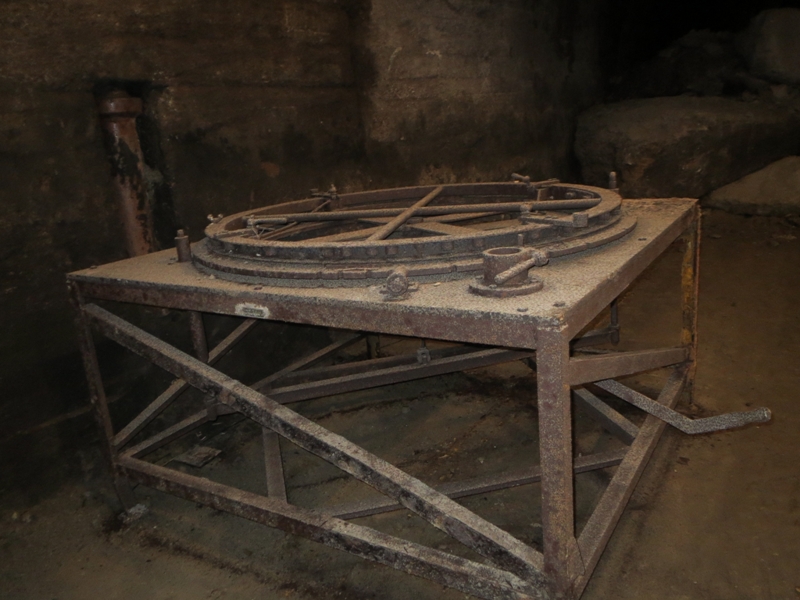
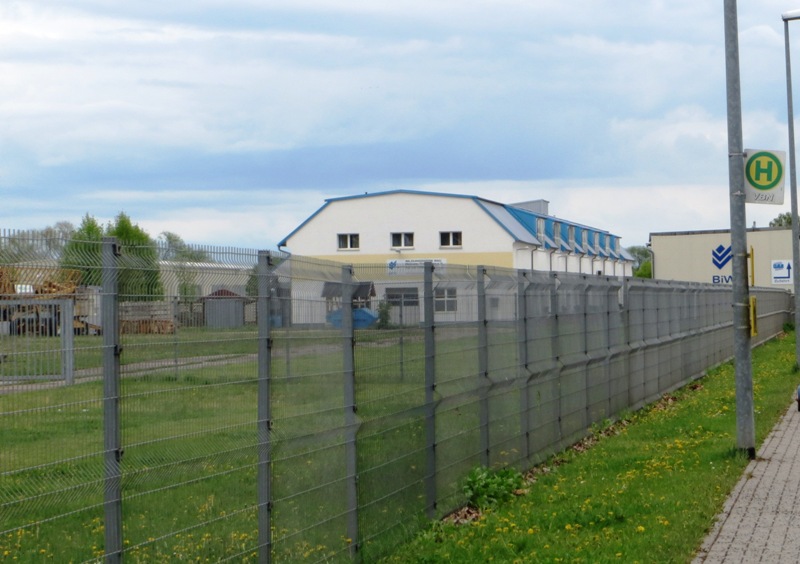
From the beautiful magical region of Grimm Brothers near Kassel, we headed up the beautiful Weser River Valley to Verliehausen, a small burg where the soldiers of the 2nd Battalion, 415th HQ stayed on April 8, 1945. The proprietress of the local Gasthaus, or tavern, which has been in her family for generations, remembered soldiers staying in their tavern. We had coffee and sandwhiches at the Gasthaus and toured the building seeing the large “community” room where the soldiers stayed. Tour members Don and Mike Davis had some photos of their father from Verliehausen and we were able to locate the exact spot some of the photos were taken from. The fact that the buildings were so unchanged allowed us, together with the photo of their father eating in front of the Railroad Station at Verliehausen, to recreate the photo with the brothers included. This photo, to me, sums up the intent of our entire tour, the ability to put ourselves with our fathers, following along with them in their footsteps on their tour across Europe, whether they are with us in person or only in spirit! From Verliehausen we continued across the German countryside towards the spot where the old “Iron Curtain” transected Germany into two separate countries. Just past Duderstadt we crossed into what used to be East Germany. There was a distinctive difference in the buildings. Many were vacant and still a drab and dreary color with very plain, boxy architecture. In the larger cities, many buildings are still being rehabilitated. By lunch time we were back onto the autobahn and arrived at the community of Nordhausen where we were met by some of our Friends of the Timberwolves from Holland who drove from the Netherlands to join us for a portion of the tour. We also had a special visitor join us for the day, a Timberwolf grandpup, Chris Harris, who is currently stationed in Germany with the US Army. After lunch, we started our tour of the former slave labor/concentration camp, Mittelbau-Dora, discovered and liberated by the 104th Timberwolf Division and the Third Armored Division. We had lunch in the museum café and toured the museum displays and after watching a movie about the history of Mittelbau, we took a walk into the tunnels where we saw remnants of the former V1, V2 rocket manufacturing site, Mittelwerks. The ground and atmosphere felt like hallowed ground knowing the number of deaths that occurred in the mountain as the Germans worked their imprisoned laborers to death. After this solemn tour, we were allowed to roam about the grounds and take a look at what remained of the camp. We loaded back onto the bus and headed to the site in Nordhausen where in the Boelcke Kaserne warehouse, many of the weakened and sick slave laborers from Dora had been locked in the warehouse and left to die with no food or water. This location had been bombed by Allied bombers who did not know of the existence of the slave laborers in the warehouse. The Timberwolves discovered this location, liberating and rescuing the very few remaining prisoners who were still clinging to life. It was at this site that Vincent DeSaedeleer, a Friend of the Timberwolves from Belgium, read a letter veteran Mel Morasch wrote home to his family trying to describe and put into words the horror he saw while working as a medic at the warehouse in 1945. Looking at the warehouse today, it was hard to imagine the pain, horror and inhumanity suffered by those locked in the warehouse and hard to conceptualize the lifetime effects this operation would have on the Timberwolves involved. (A special thank you to veteran, Mel Morasch, for allowing us to read his personal letter at the site of this horrific atrocity.) We had a quiet and solemn ride from Nordhausen, continuing our day’s drive on the autobahn arriving in Halle in time for a group dinner together at the Hotel.

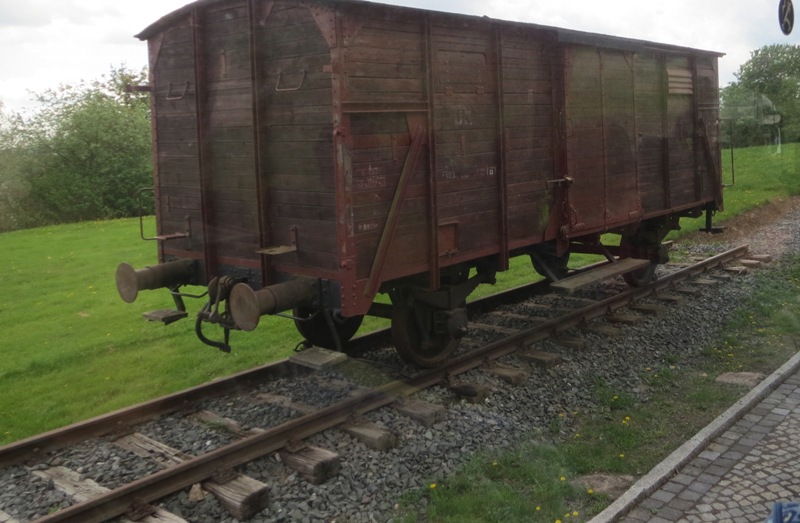
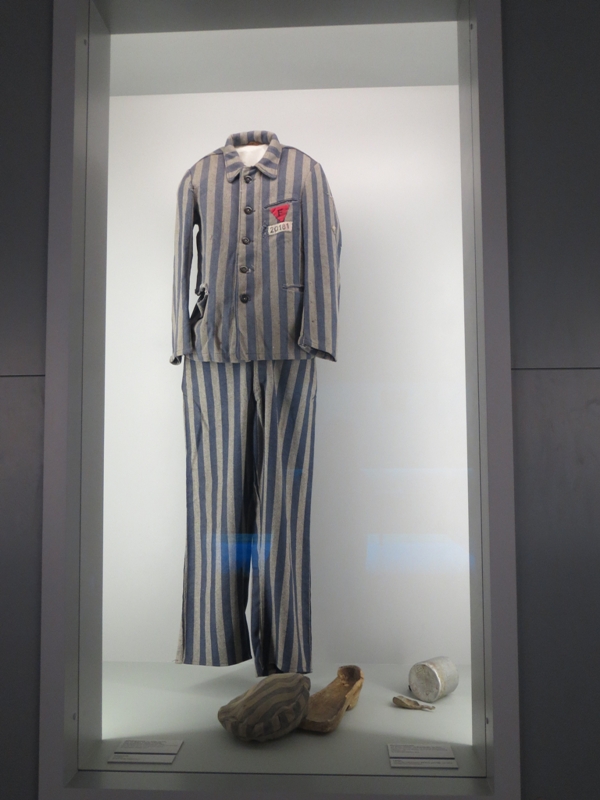
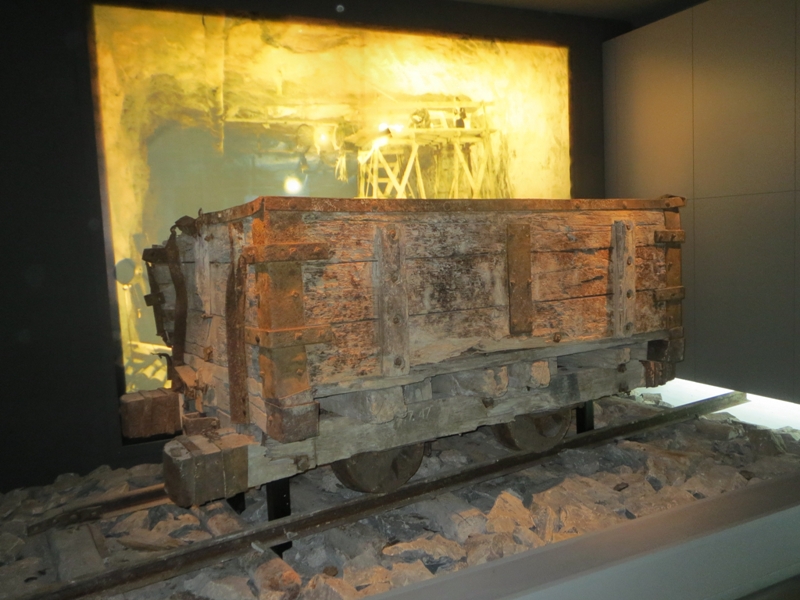
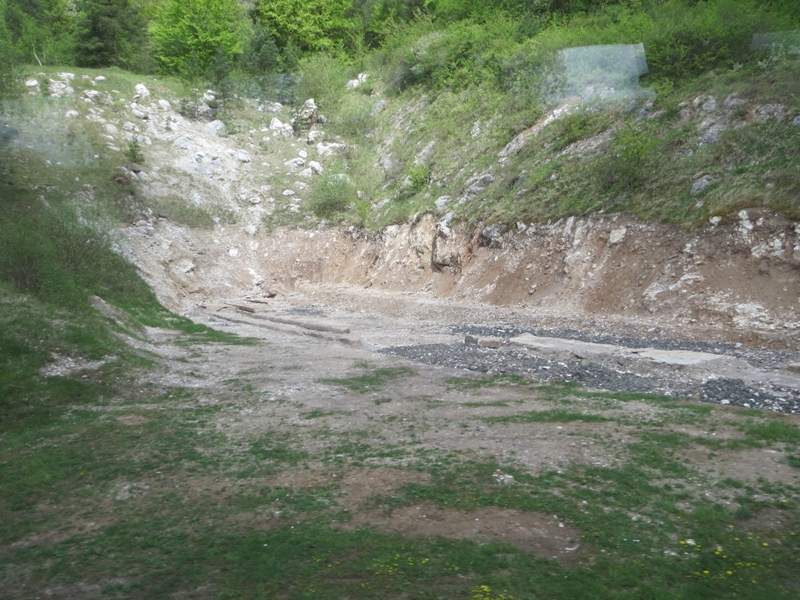
May 10, Day 9 - Halle, Gutenberg and the Halloren Salt Guild
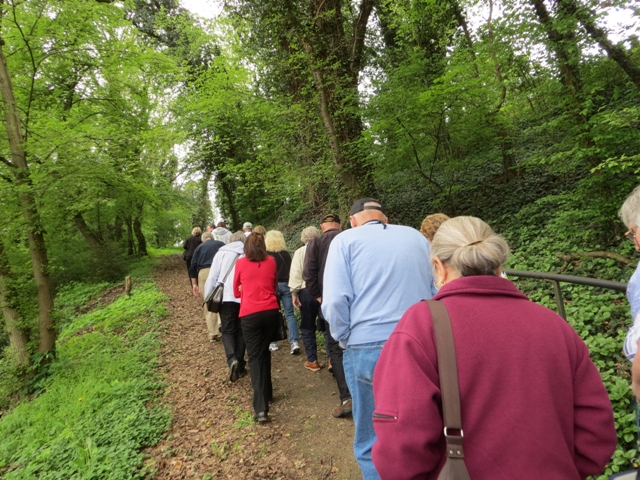
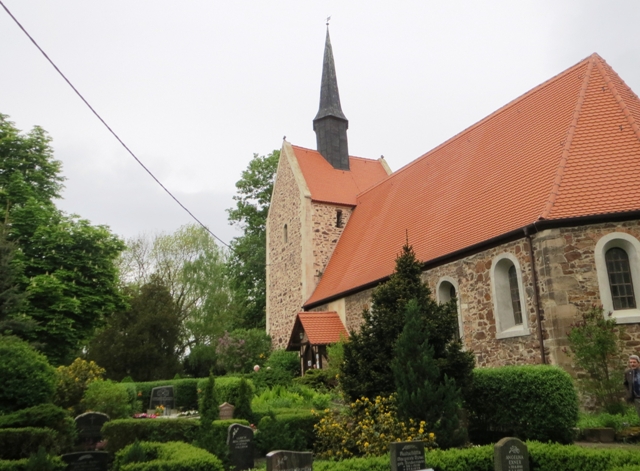
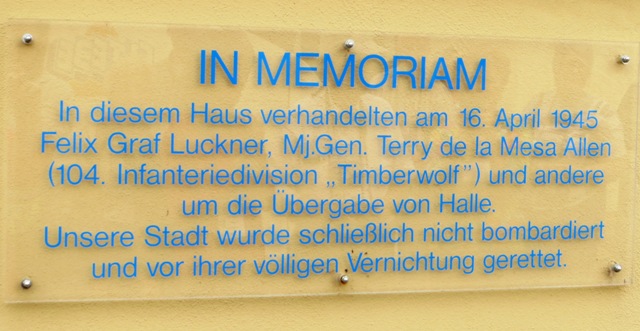
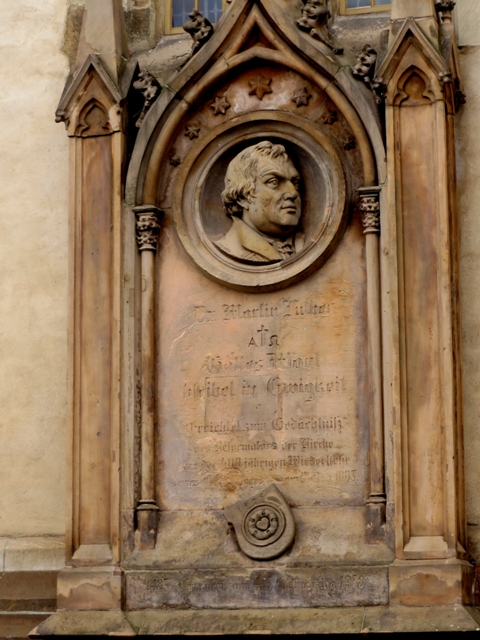
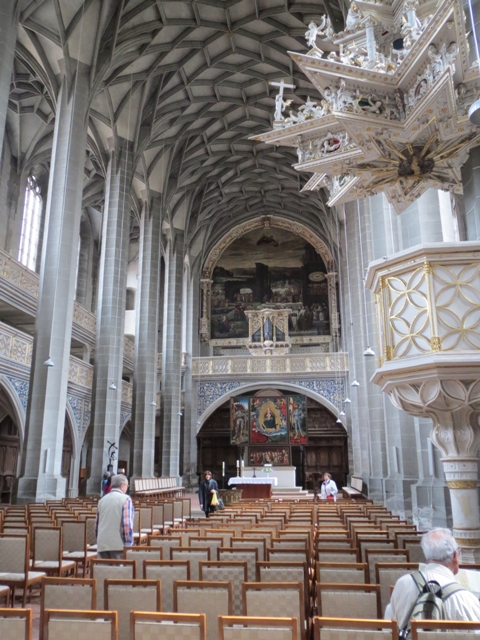
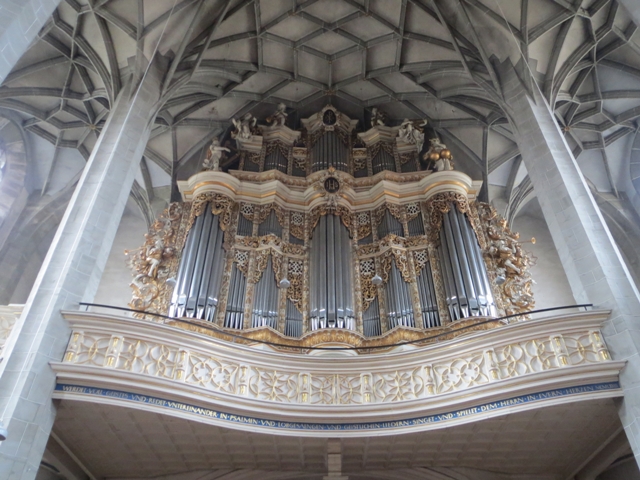
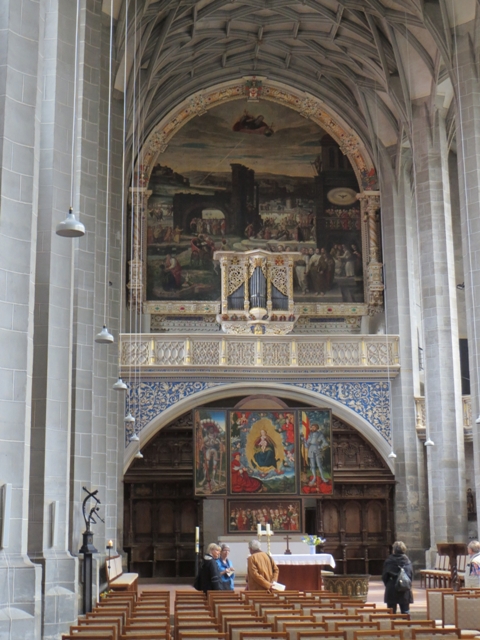
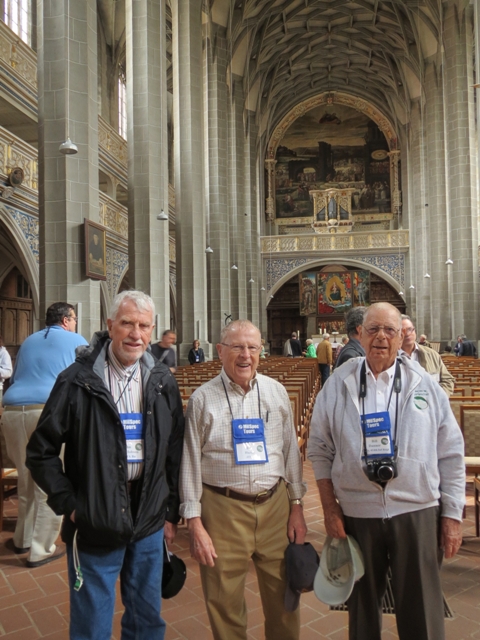
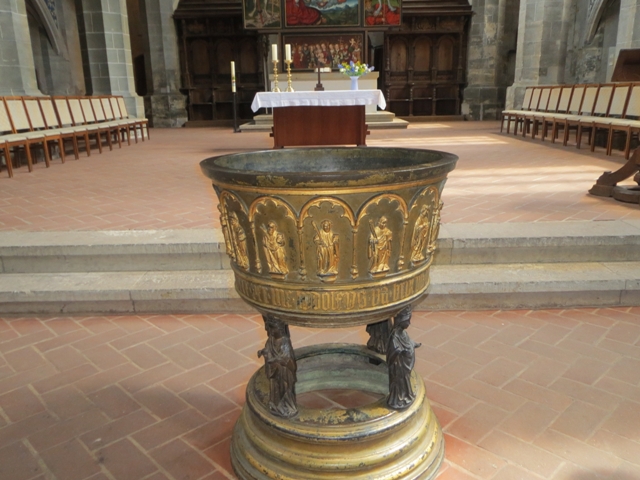
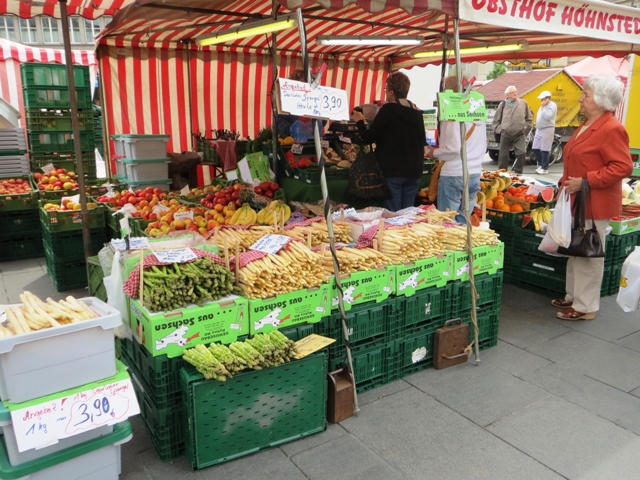
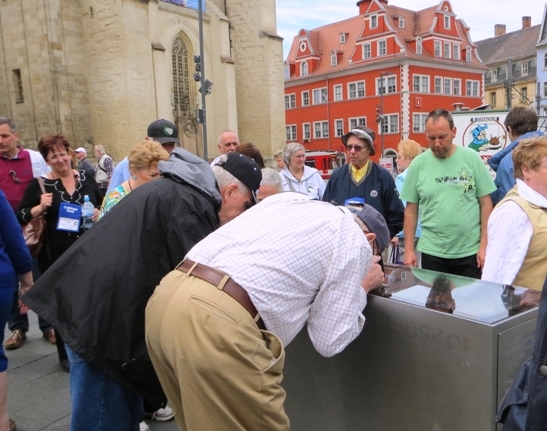
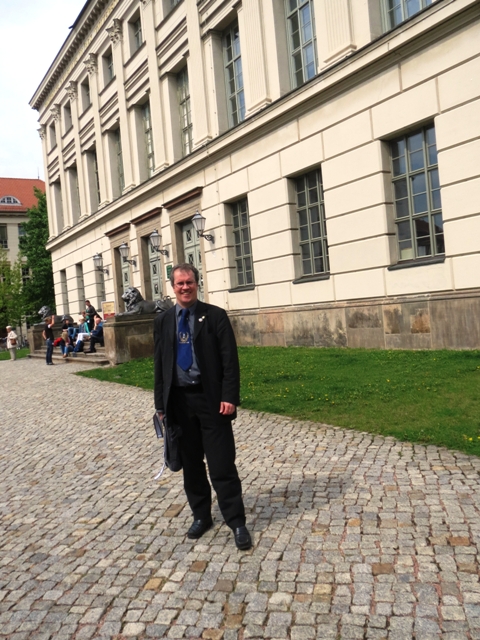
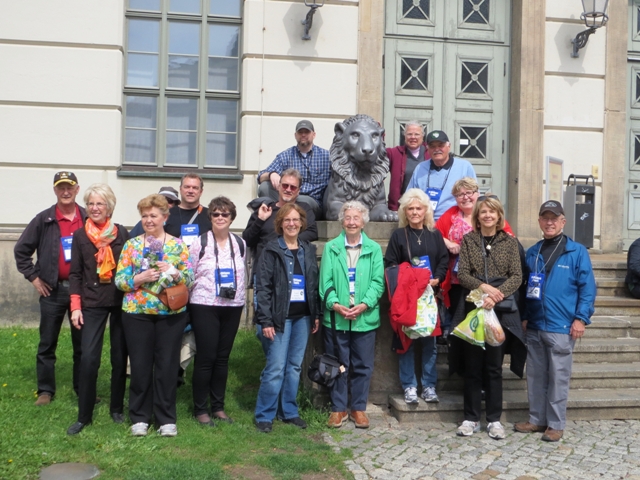
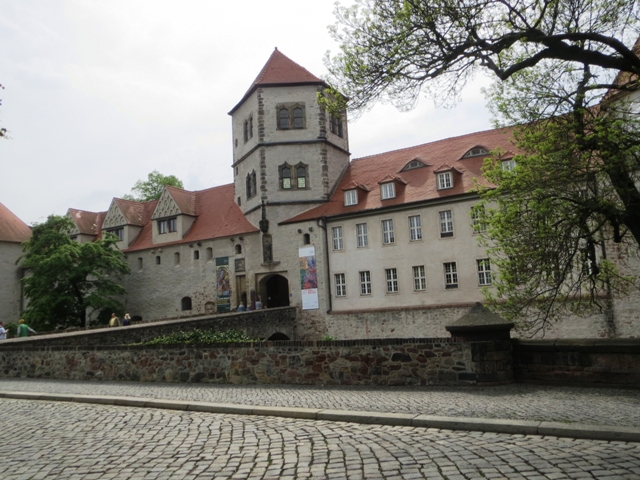
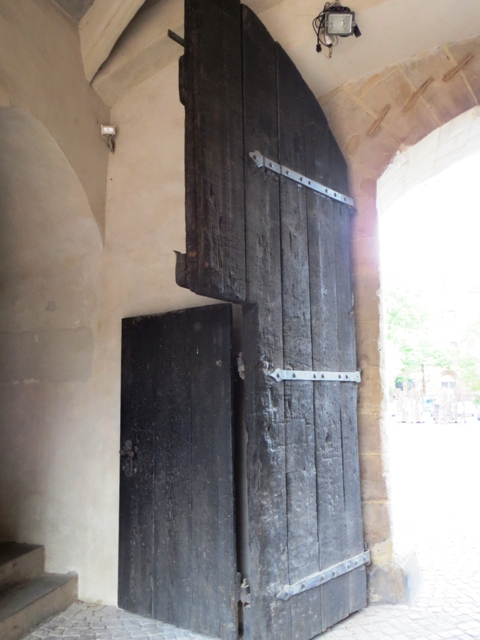
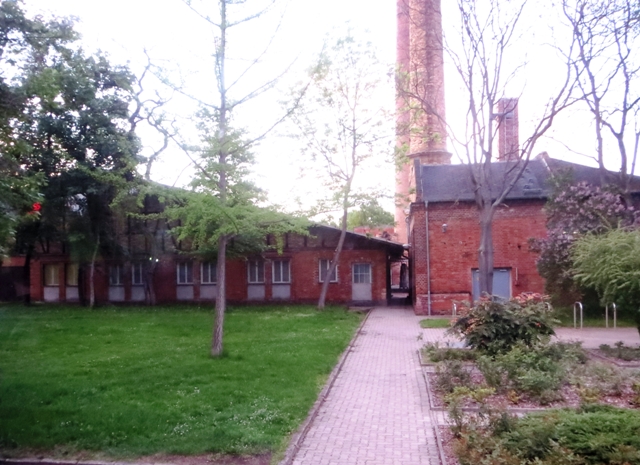
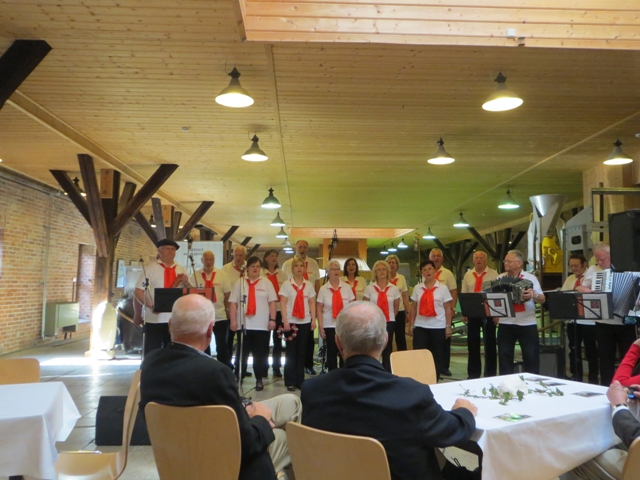
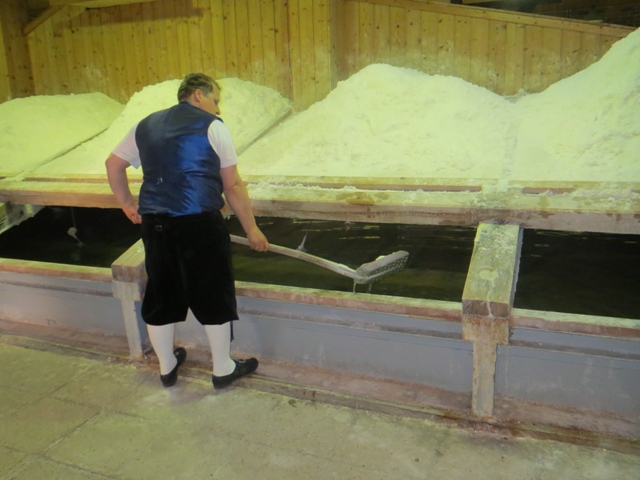
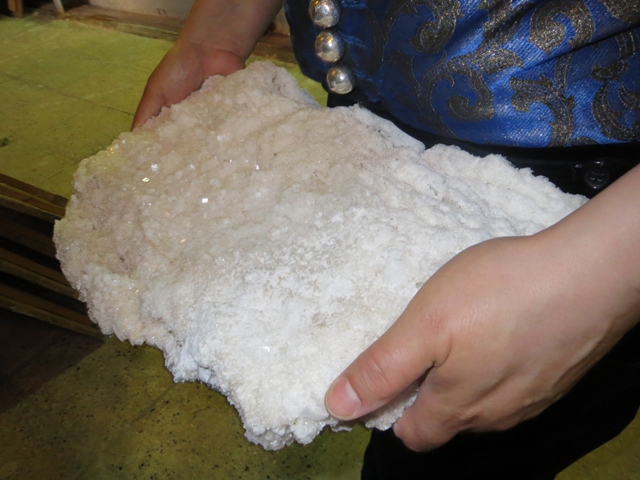
This morning finds us meeting up with Timberwolf special friend and tour guide for the day, Matthias Mauer. We made a quick stop at the Timberwolf Memorial in Halle and then on to a little berg NE of Halle called Gutenberg. At the end of the war, before the Division departed for home, each unit was assigned occupational duty of an area around the Halle vicinity. My father’s Company was assigned to Gutenberg. Since WWII, Gutenberg, now a part of Petersberg, has remained virtually untouched and appears much the same as it was when my father photographed it in 1945. After arriving in the quaint village, we visited the small village protestant church, St. Nicolai. The church is sited upon a hill so we climbed the path up to the church. As we came to the crest of the hill, I was greeted with a view of the church unchanged from a photo taken by my father in 1945. And as I looked down upon the village, I could pick out buildings that remained untouched from 1945. During our small ceremony at the church, I met a lady who grew up in Gutenberg and was able to identify her own childhood home in one of my father’s photos. She pointed out the school she attended as a child and took me to a viewpoint that enabled me to see the school building still intact today. Seeing the past and present meld together across time was so meaningful to me and just for a moment, I felt my father right beside me, showing me this special place. From Gutenberg we returned to Halle crossing over the beautiful Saale River. We stopped for a photo op at the house where Felix Von Luckner and other Halle City leaders negotiated with the General Allen to help save Halle from total destruction. We stopped at the large Hallmarkt and took a tour of the Halle Market Church or Marien Kirche. The church was built between 1529 and 1554. The idealogy of the Reformation was introduced in Halle and Martin Luther preached the Reformation message at this church. George Frederick Handel was baptized at this church. Inside the church was absolutely breathtaking and included a large organ that Bach dedicated and a small organ that Handel played while he was employed as a church organist at Marien Kirche. On the back of the church was a plaque dedicated to Martin Luther. From the church we headed across the square for lunch and exploring. Following lunch, Matthias took us on a walking tour of his beautiful City. Our day ended by being feted by the members of the Halloren Salt Guild. We had a fabulous dinner, were treated to a chorus that sang us traditional German Maritime folktunes as well as a taking a tour of the museum and learning about salt making process. What a very special evening for us all!
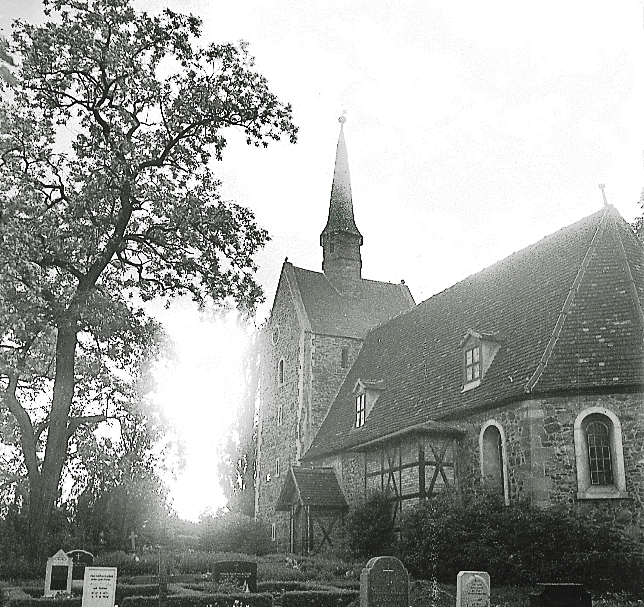
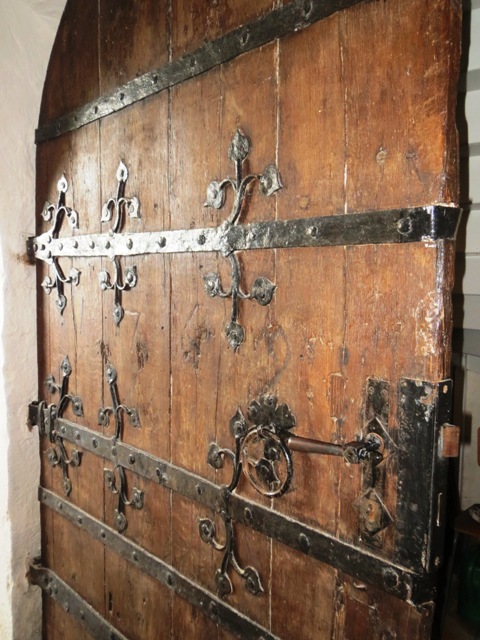
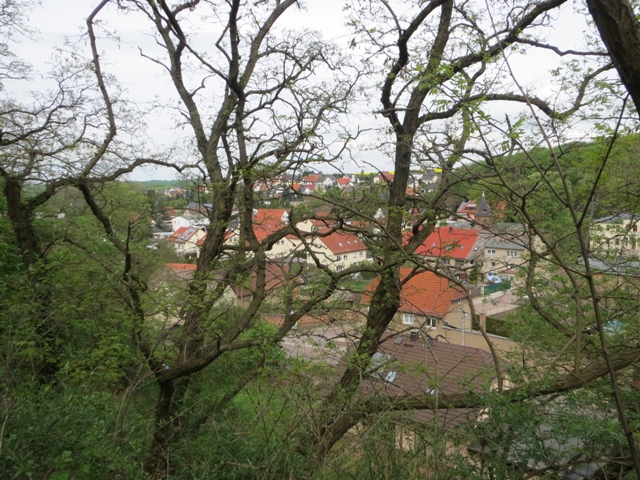
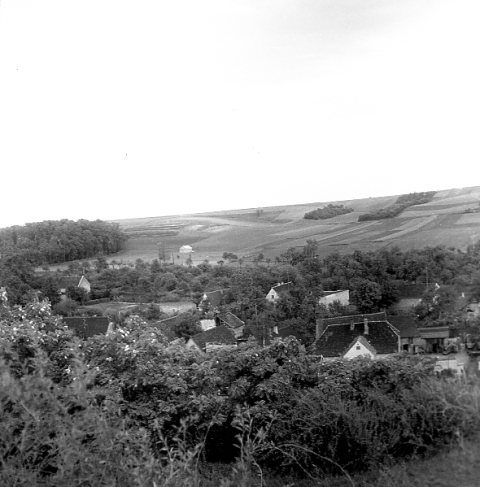
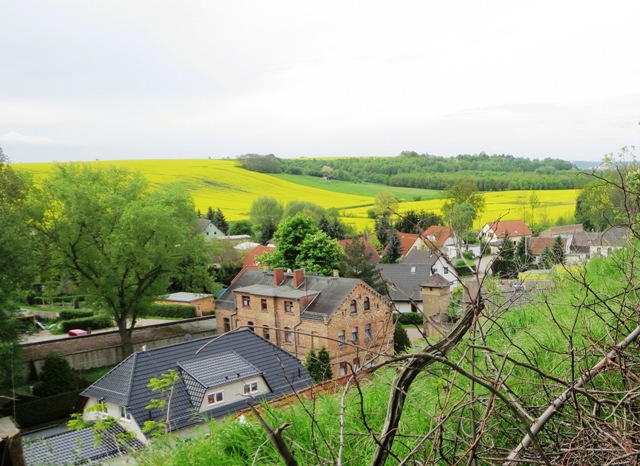
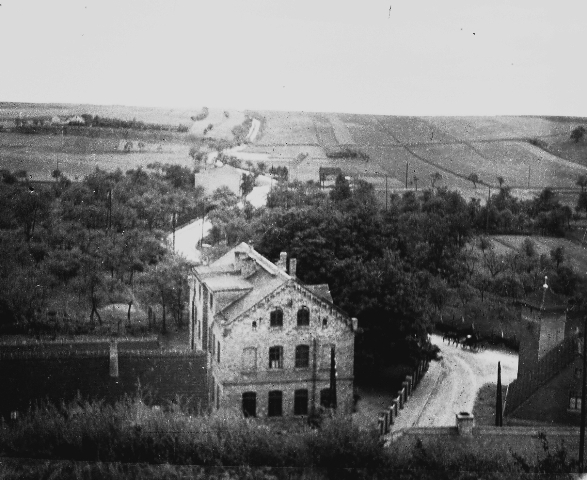
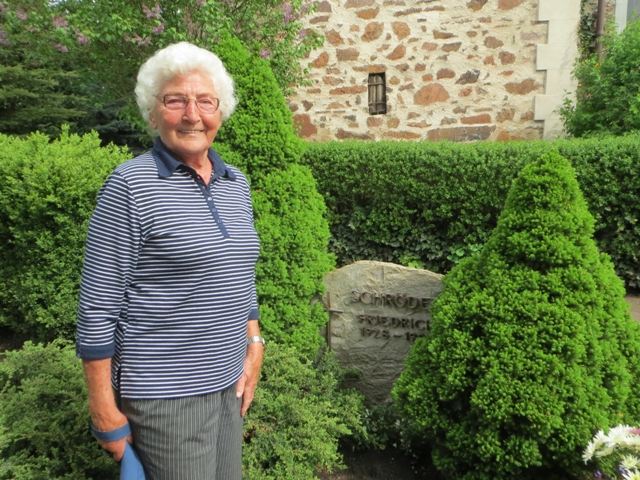
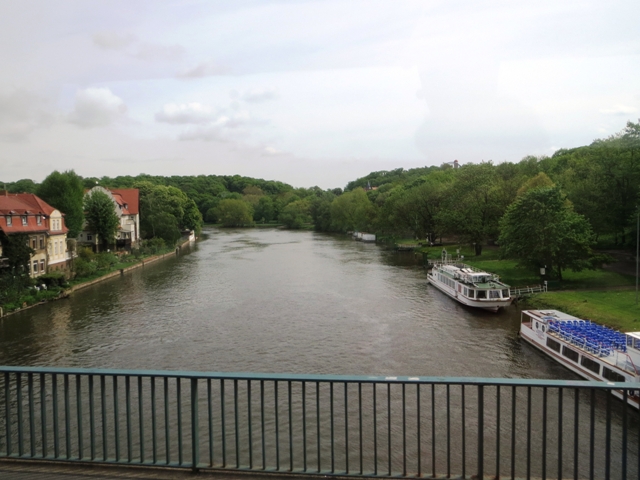
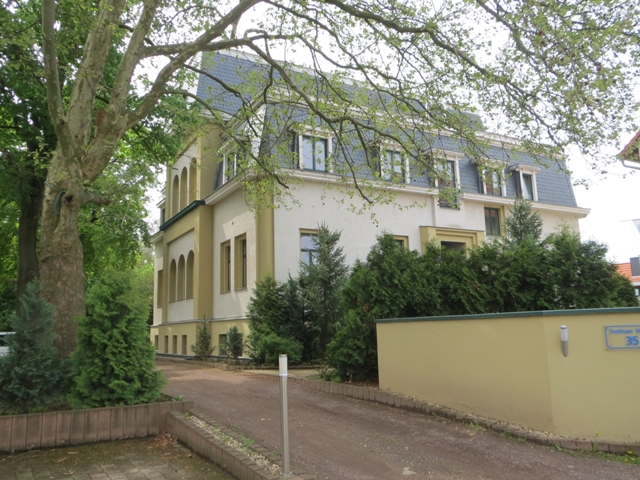
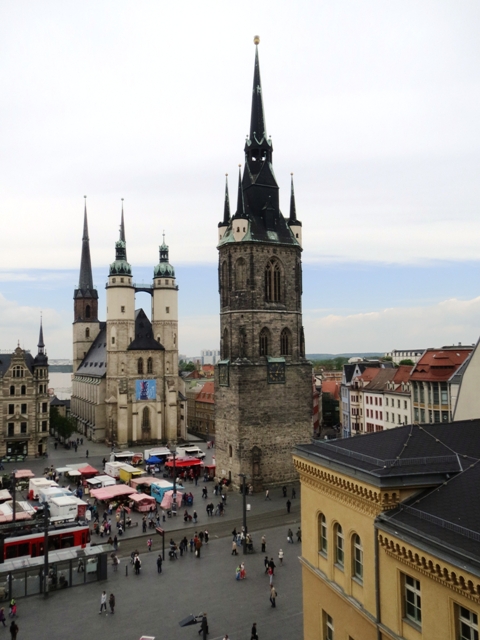
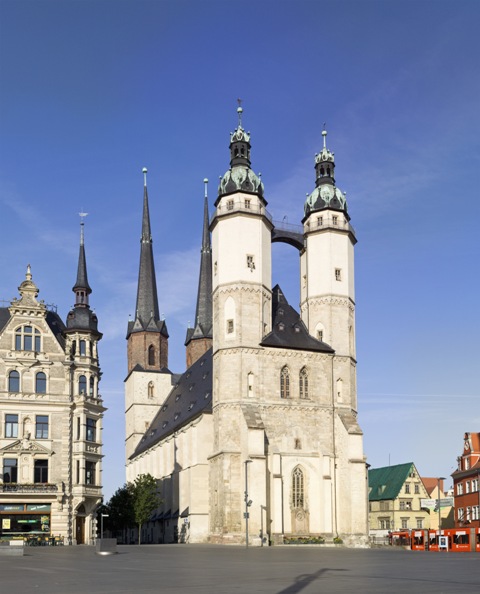
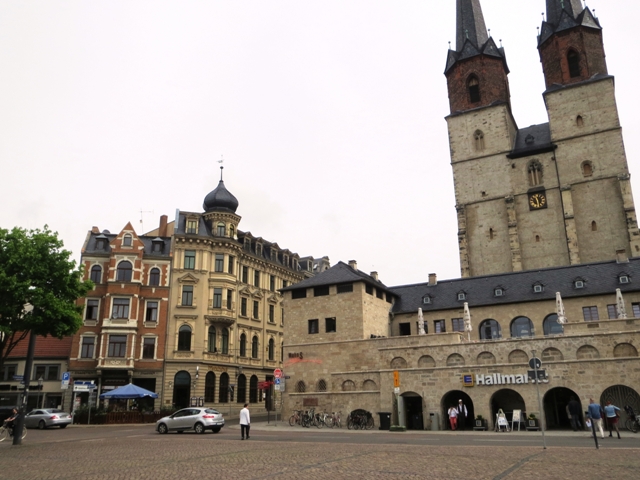
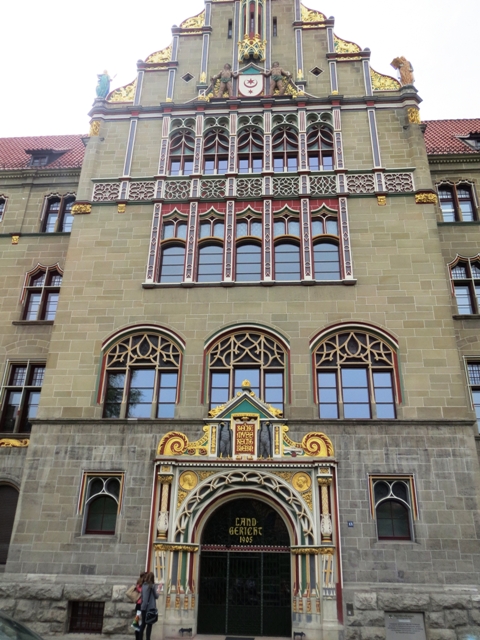
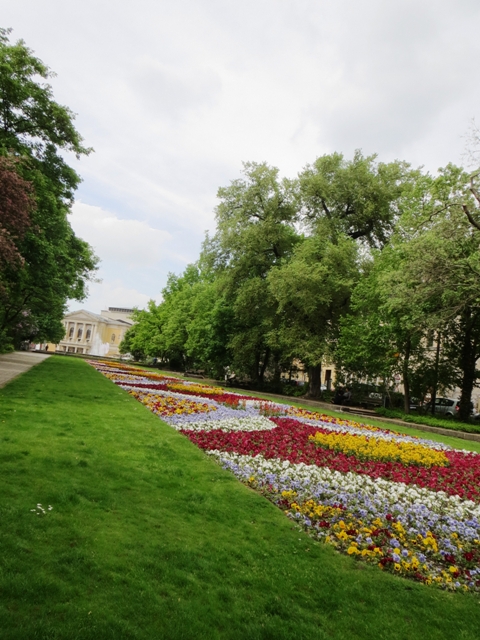
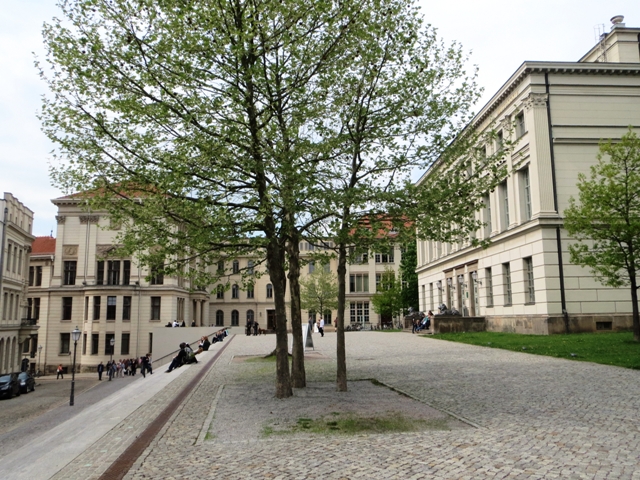
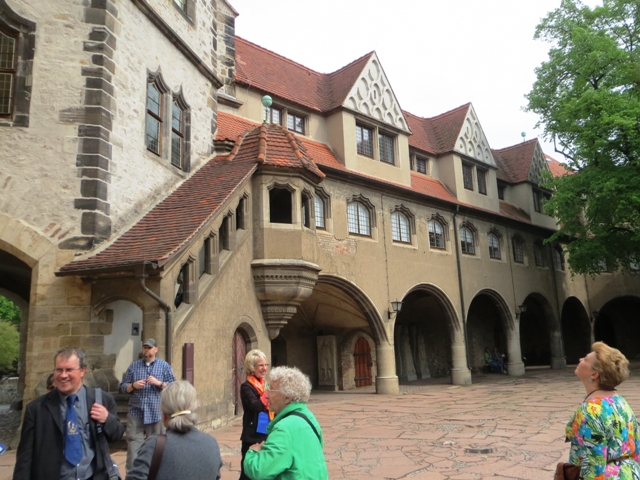
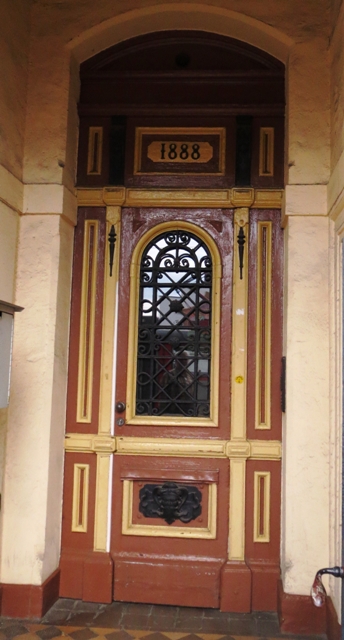
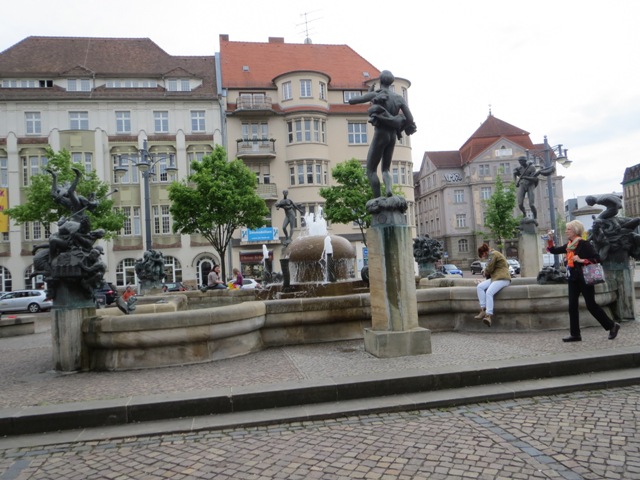
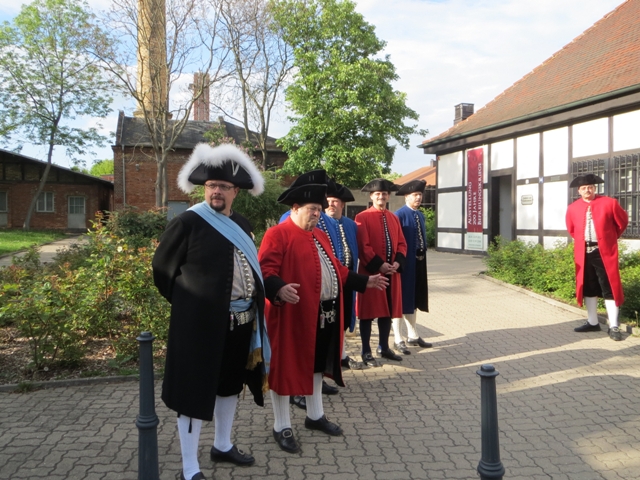
Period photos by PFC William Jamieson, 415 D, used with permission of the Jamieson family. All rights reserved.
May 11, Day 10 - Alte Mulde, Delitzsch, Torgau, Puchau
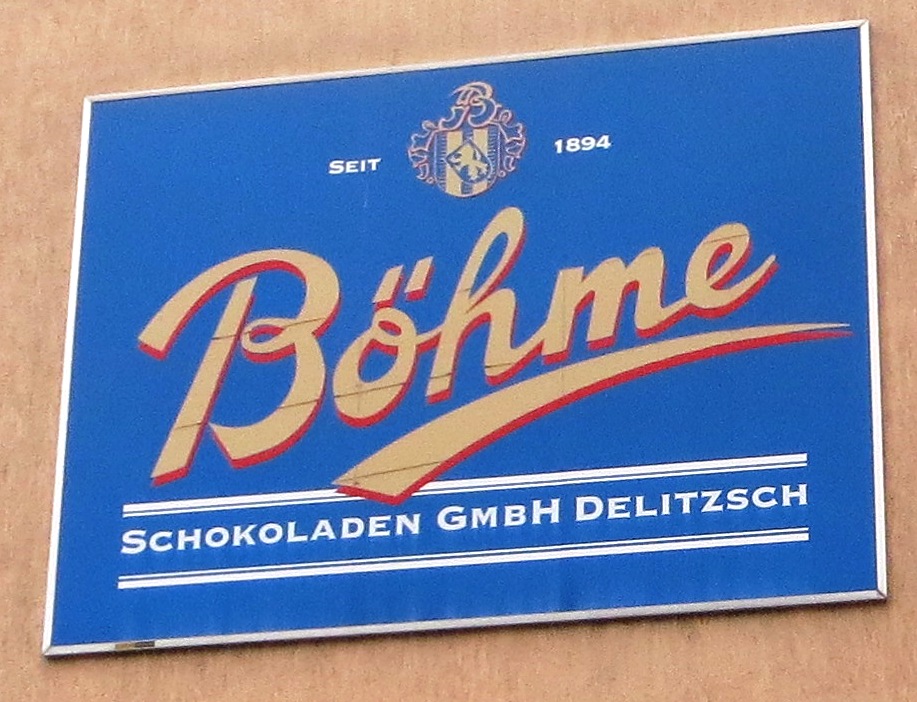
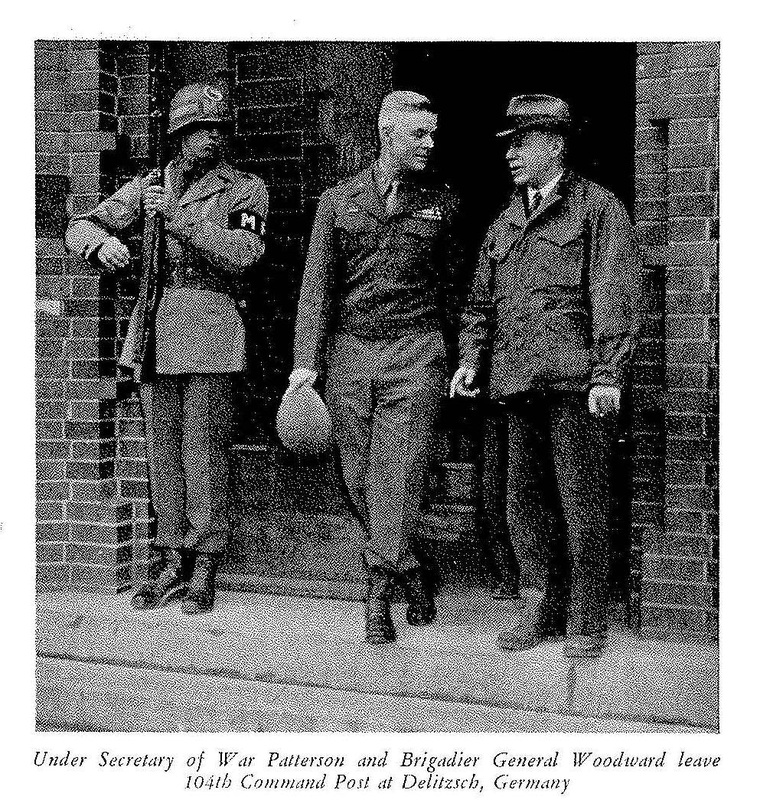
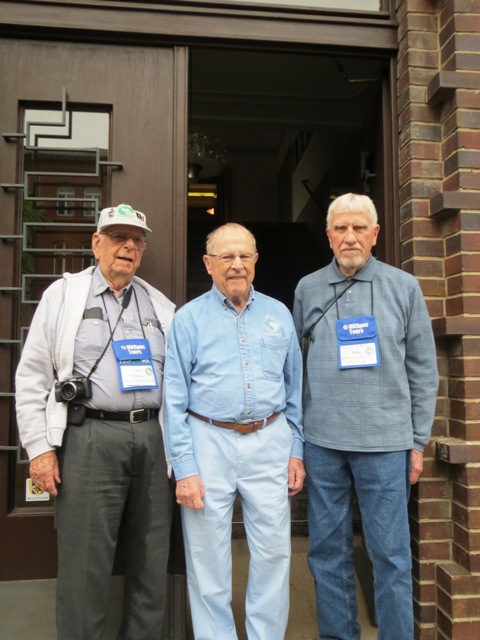
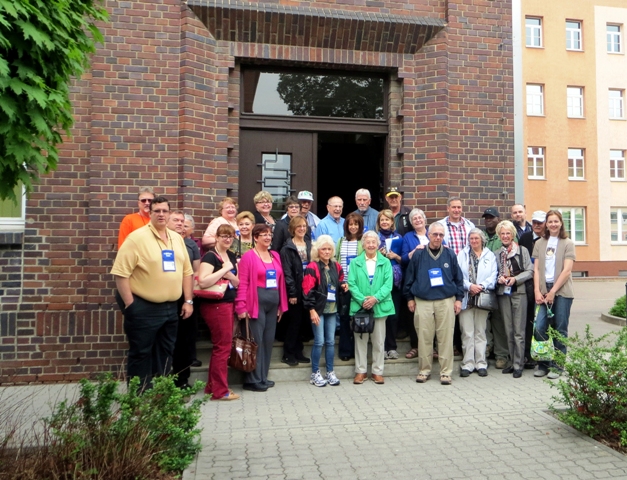
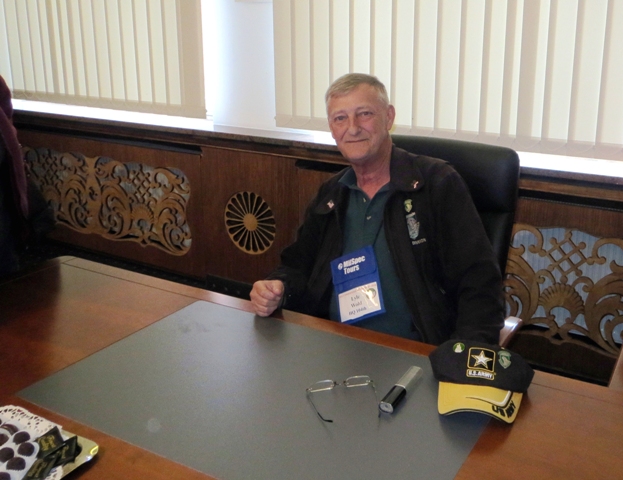
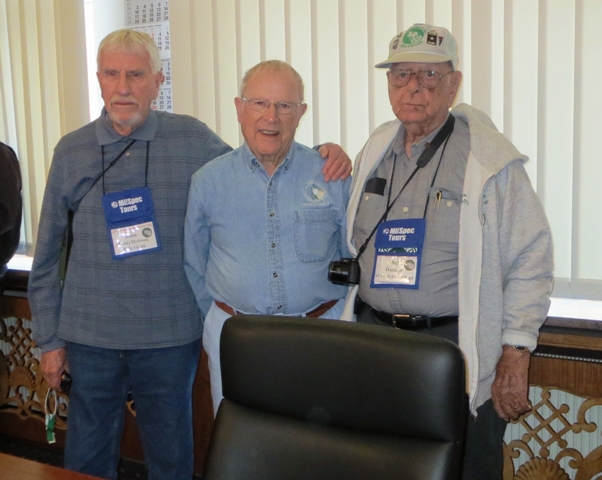
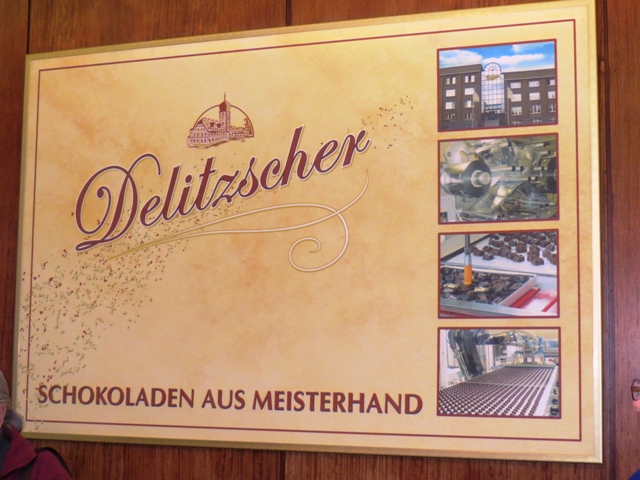
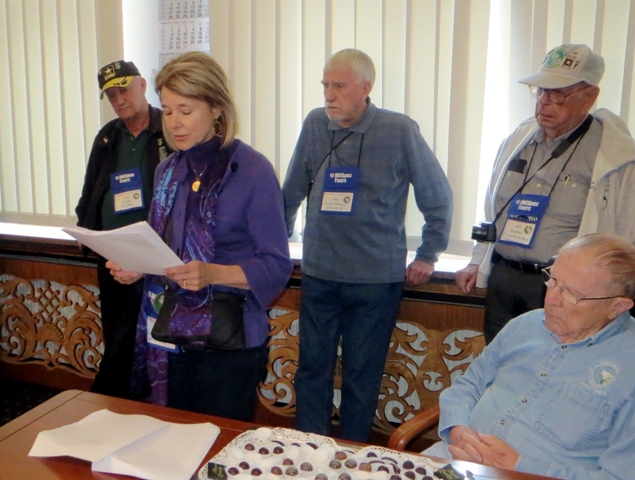
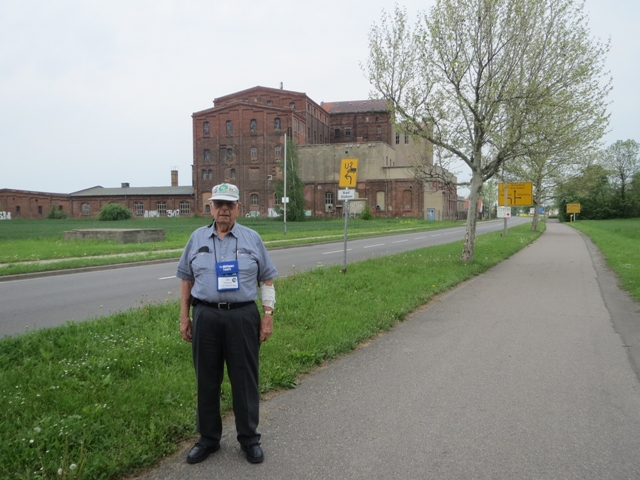
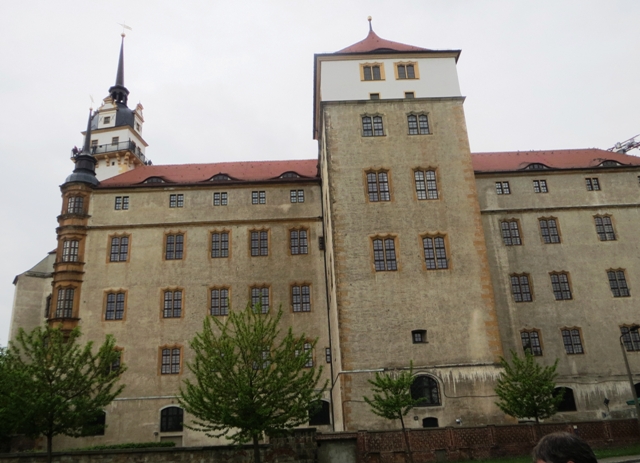
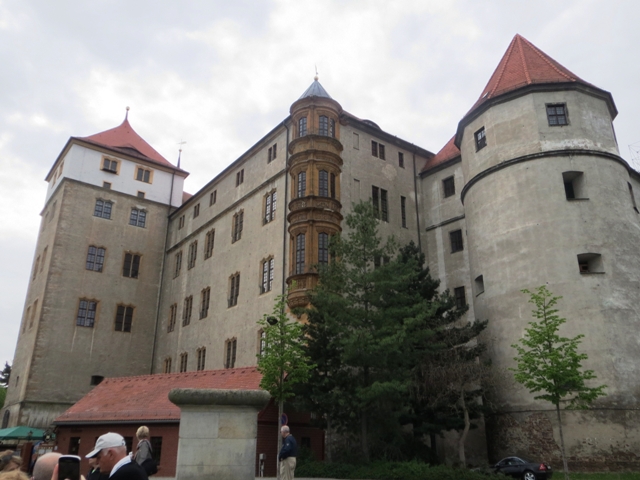
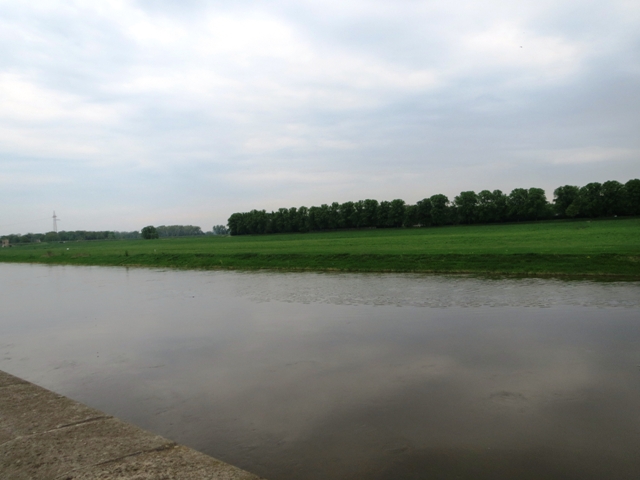
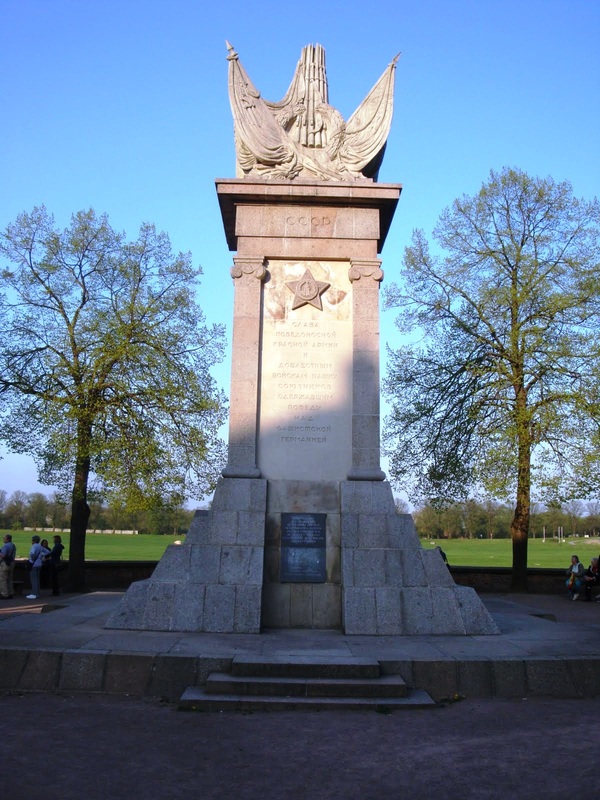
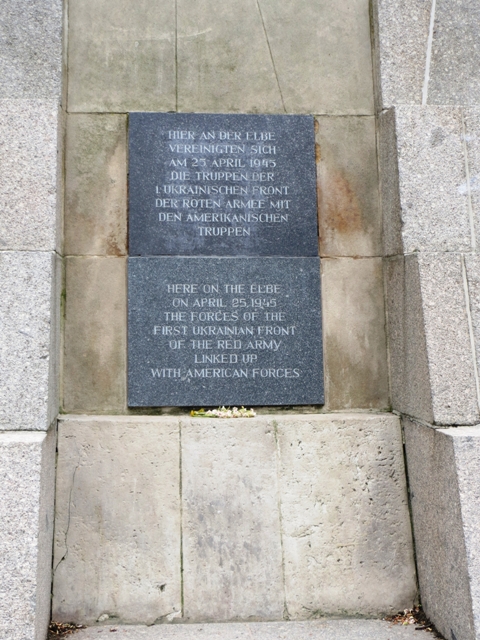
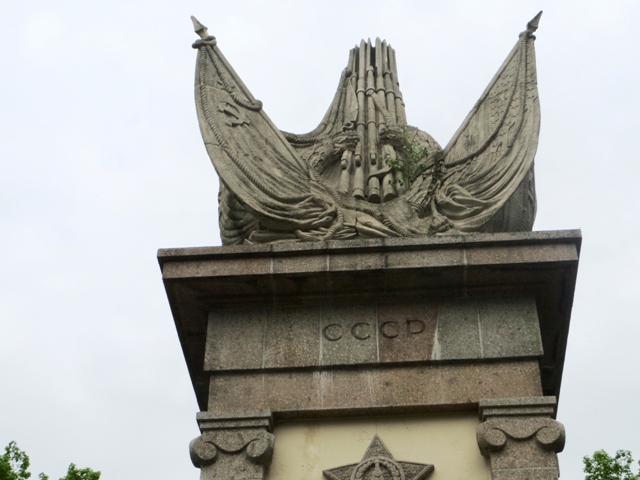
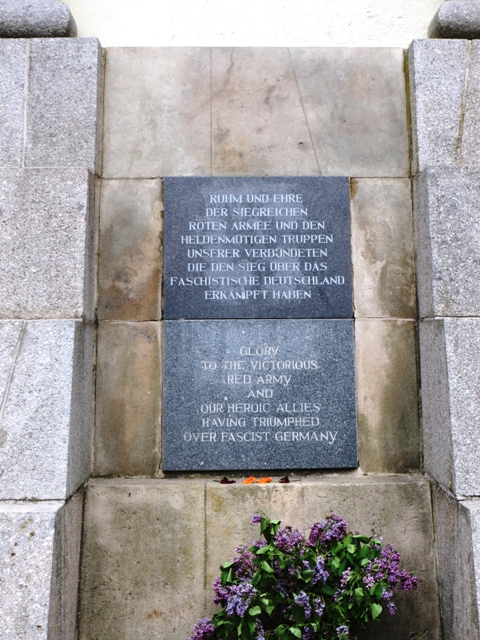
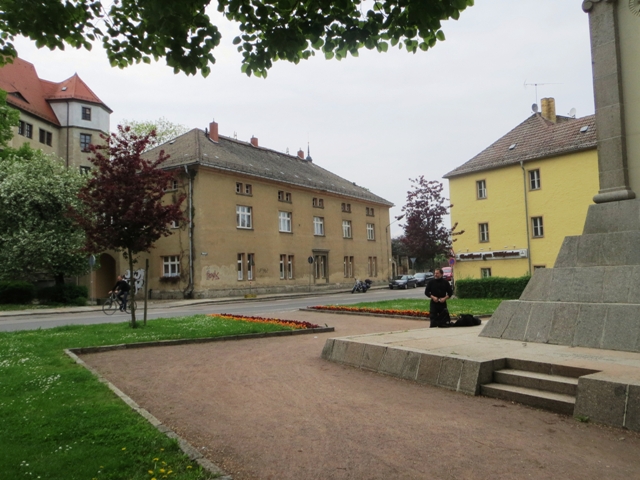
We left our hotel in Halle and stopped to pick up Matthias and his family. We were lucky to have his mother, wife and three adorable children on the bus with us for today’s activities. We headed northeast towards Raguhn and the area of the Alte Mulde. As we passed through Raguhn and Jessnitz headed towards the Alte Mulde River, we stopped near the river’s edge so that Jerry Lacy could see the locale of the last battle of his father, Sgt. Windsor Lacy. Through research, we had narrowed down the movement of the 414th Reg., 2nd Batallion, on the date of Sgt. Lacy’s death, April 21, 1945 and from there, were able to get Jerry in proximity of the location where his father was killed. It was a moment of reflection for us all on a life lost way too young and of a father never known to two young sons. From the Alte Mulde, we headed towards Delitzsch where our next stop was the chocolate factory in Delitzsch, well known to all the Timberwolves, as Divisional Headquarters at the end of the war. We took a group photo and walked through the exact door pictured on page 359, Timberwolf Tracks, showing Secretary of War, Robert Patterson and Brig. General Woodward leaving Divisional HQ. In the office that once belonged to General Allen, we enjoyed chocolates while listening to a reading of the letter General Allen wrote while in Delitzsch and sent to Peggy Gouras’ grandmother concerning the whereabouts of her son, Mabry who was missing in action. We snapped some photos of our veterans at the desk and enjoyed our special treat of chocolates made in the factory at Delitzsch. We headed from Delitzsch to Krostitz where we stopped for a moment so that veteran Wm. Danner could see once again the town he was stationed at when the war ended - we were able to capture a photo of him there. We passed through Eilenberg and headed northeast, our destination Torgau, Torgau is located on the banks of the beautiful Elbe River, where we had lunch at the Zollhaus tavern at the base of the medieval Hartenfels castle which dates back to the 1200’s and is located in Torgau overlooking the Elbe. The restaurant was located across the street from the large monument dedicated to the meeting of the US Army and the Russian army at the Elbe River. It was a lovely lunch and a special moment capturing the images of the Elbe River and imagining the landscape in 1945. From Torgau, we headed south about 14 km to a small village, Belgern, and here we discovered the exact location of the meeting between the scouting patrol from the 415th First Battalion, Company D, mentioned on page 360, Timberwolf Tracks, and the Russian soldiers who crossed over the Elbe to meet the Timberwolves. We knew we arrived at the exact location when we compared the photos my father, a member of the scouting patrol, took in 1945 to the location as it appears today. The stone and iron fence still exists and there was still a little café overlooking the river crossing, just as there was in 1945. The two adjoining roads across the river and even the cows grazing made the real scenery an exact duplicate of the photos snapped by my father. A very special moment, indeed, to literally place myself in my father’s footsteps. In 1945, after the patrol met the Russians at Belgern, the scouting patrol traveled along the River to Torgau where they were met with even more Russian soldiers who had crossed over the Elbe at Torgau to meet up with their American counterparts. My father, William “Jamie” Jamieson, 415 D, later recalled in an interview in our local newspaper about the Russians, “ Everybody was really friendly because the end (of the war) was in sight. The Russians carried vodka in their canteens and they wanted to give everyone a drink!” The 415D scouting patrol, according to the Timberwolf Tracks, page 360, had left First Battalion headquarters located in a castle in Puchau, early in the morning of April 26th. The jeeps crossed the Mulde near Wurzen and headed north toward Eilenberg and the Elbe River. Finding the castle the First Battalion had been occupying was our next tour objective. As we headed to Puchau and drove the narrow winding, cobblestone streets towards the castle, the image of another of my father’s photos came into view. The castle looked like the photo taken in April of 1945, just a bit more overgrown with shrubbery. The fountain where my father posed jauntily for a photo was still there. The buildings that housed Dog Company, 415th Reg., were still there. The castle opening and columns were still there. For a moment I half expected a jeep to drive out of the castle entrance or see a GI walking around the corner. We met the current owner of the castle who was fascinated with the photos taken by my father. I left him copies and gave him permission to include the photos in the update of his book about the history of the Castle Puchau soon to be published. Back on the bus and leaving the castle, I felt elated. Today, I truly had walked in the footsteps of my father. I took photos from the same angle at the Elbe River, gathering rocks from the river’s edge. I posed in front of the same fountain at Castle Puchau and slowly the realization came over me. I completed my tribute to honor my father, who as a 25 year old farm boy from Oregon, on his first trip out of the Pacific Northwest, traveled across the Atlantic with his fellow Timberwolves, securing and ensuring the freedom of millions of Europeans from the grip of Nazi Germany and the tyranny of evil. This one was for you, Dad!
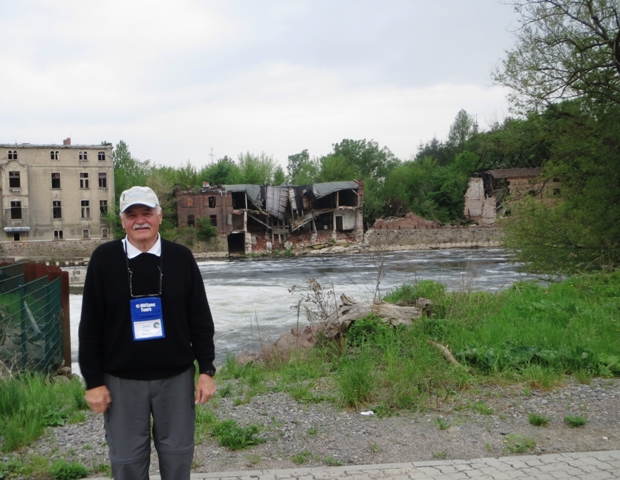
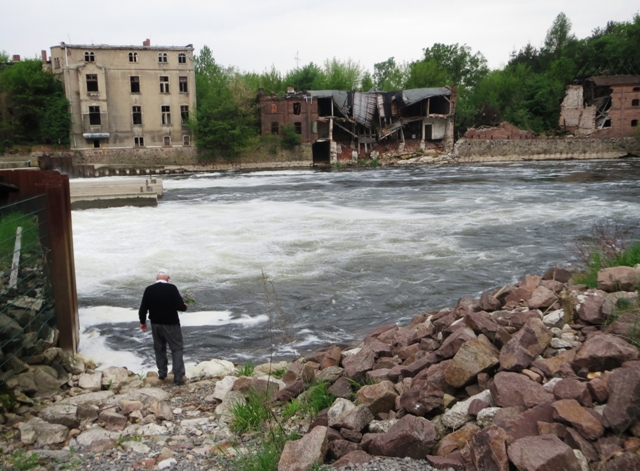
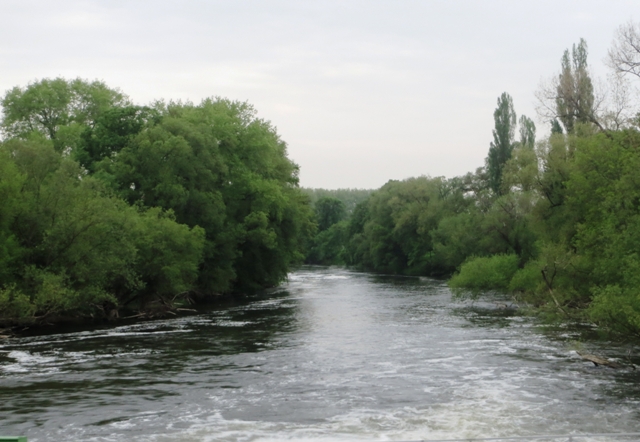
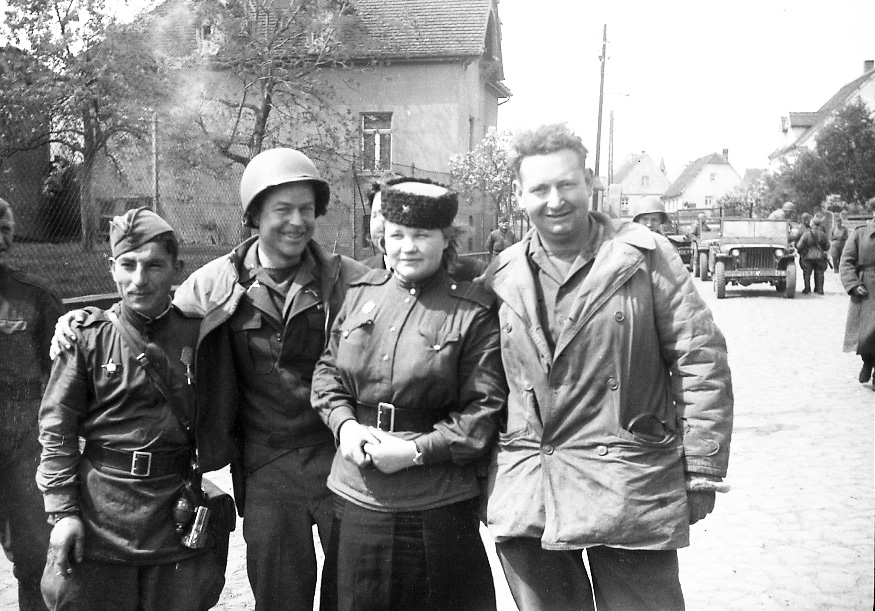

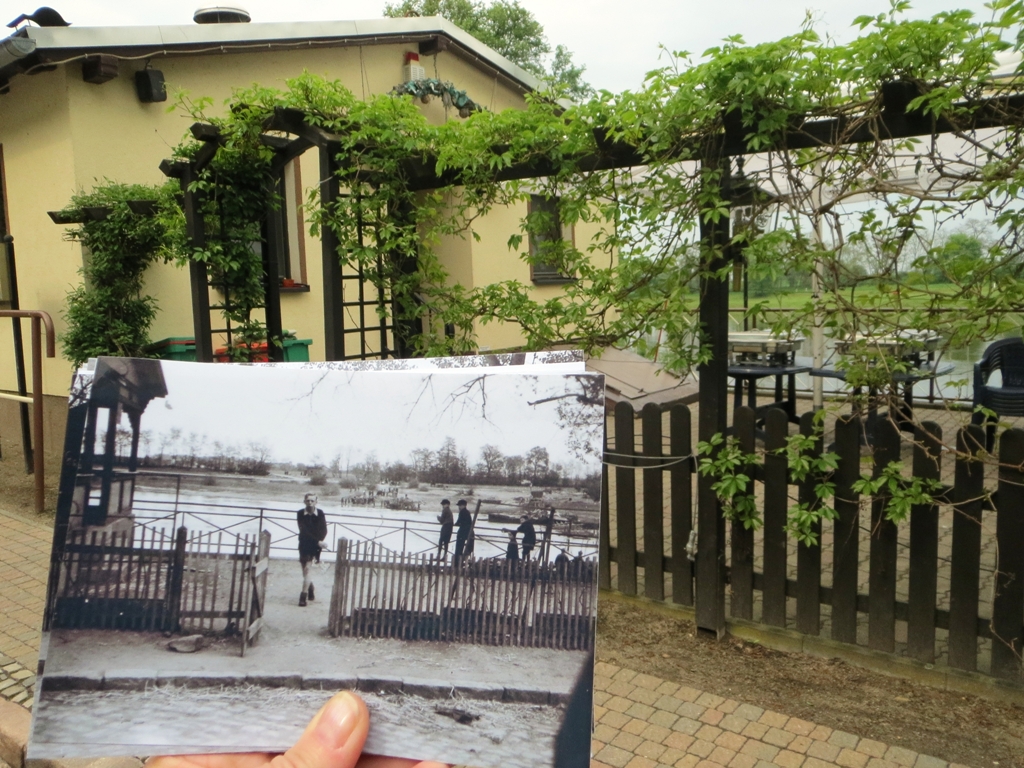
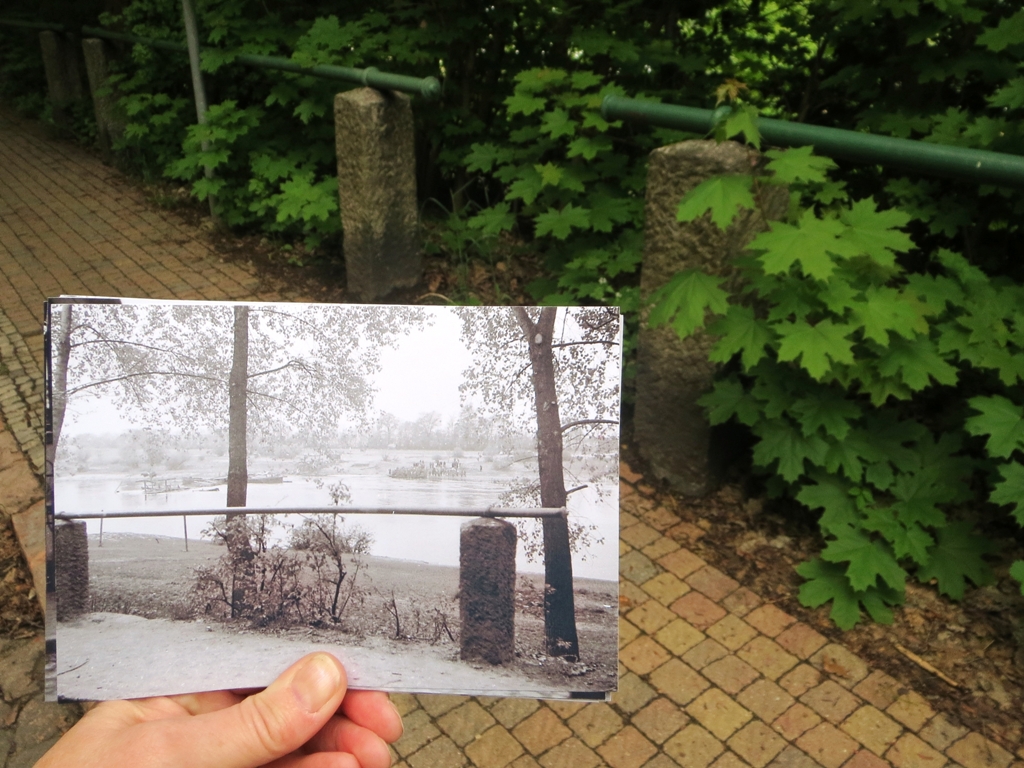
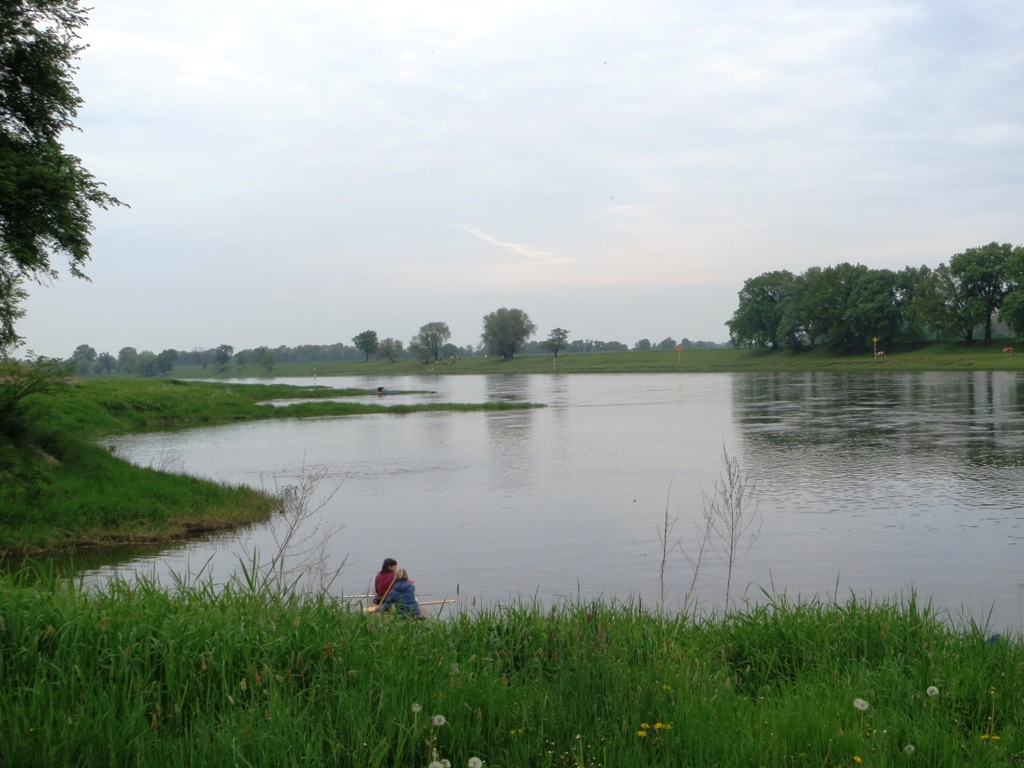
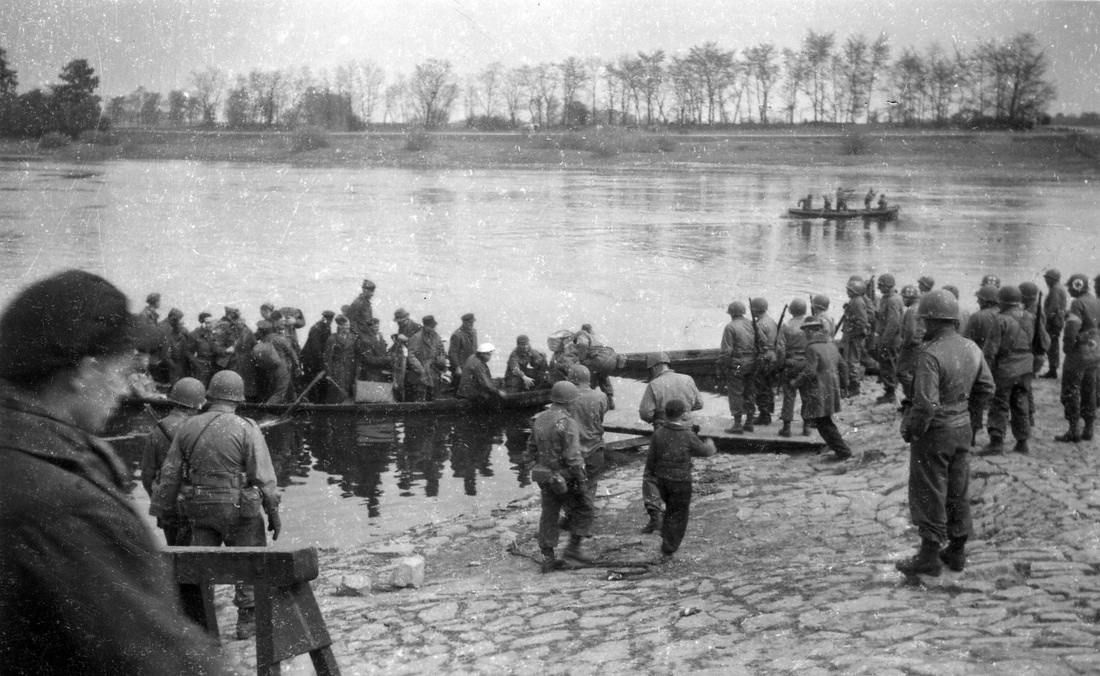
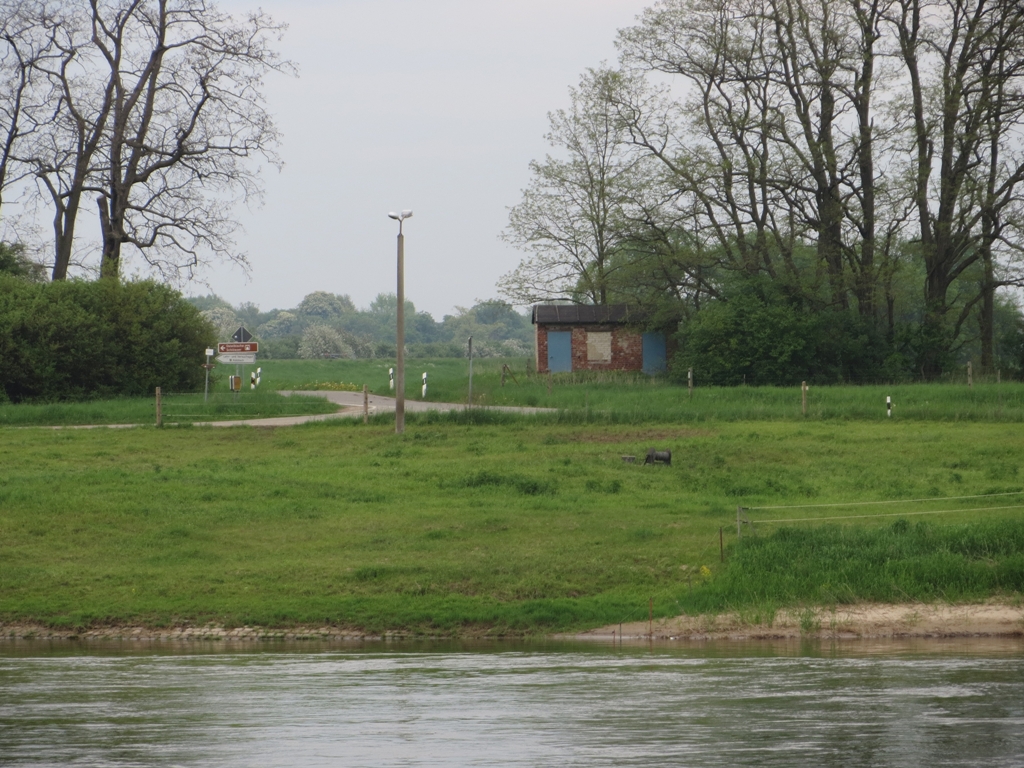
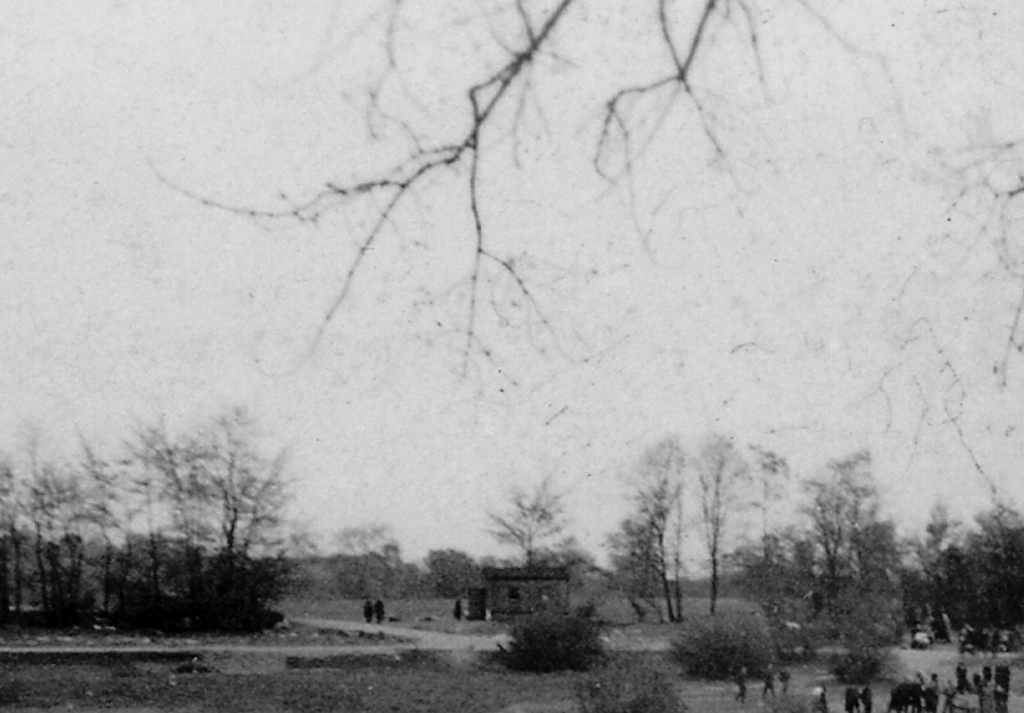
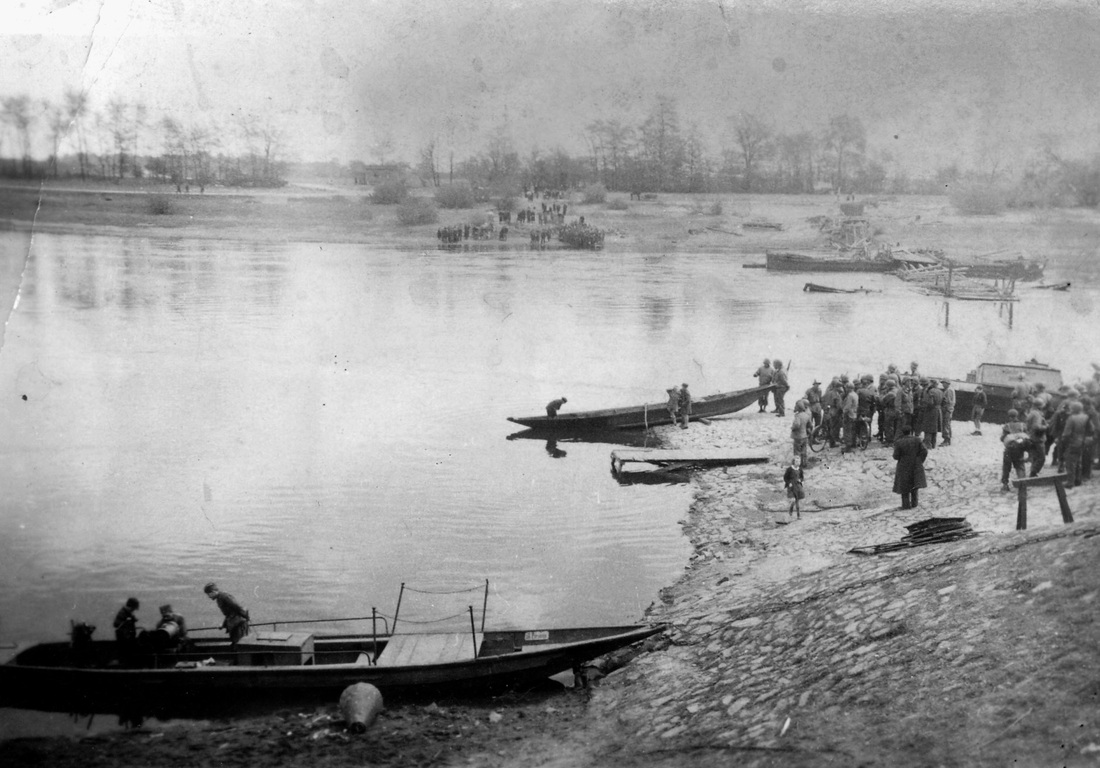
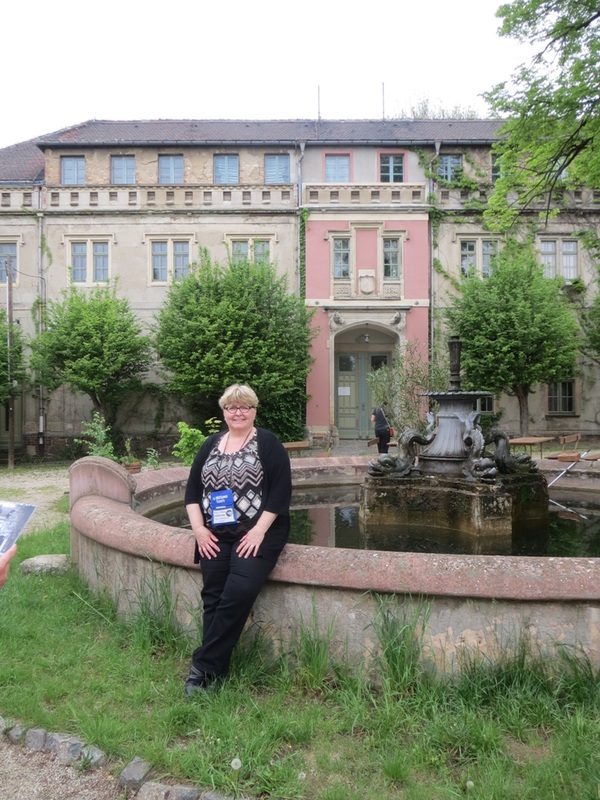
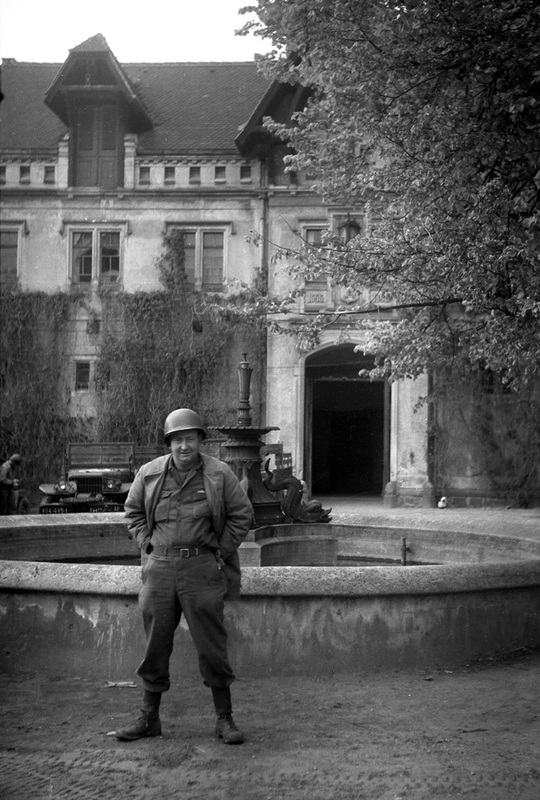
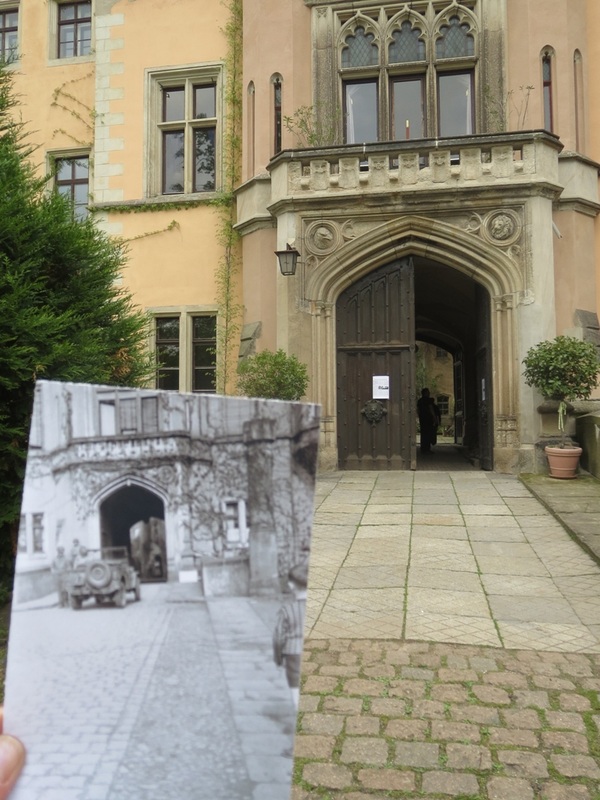
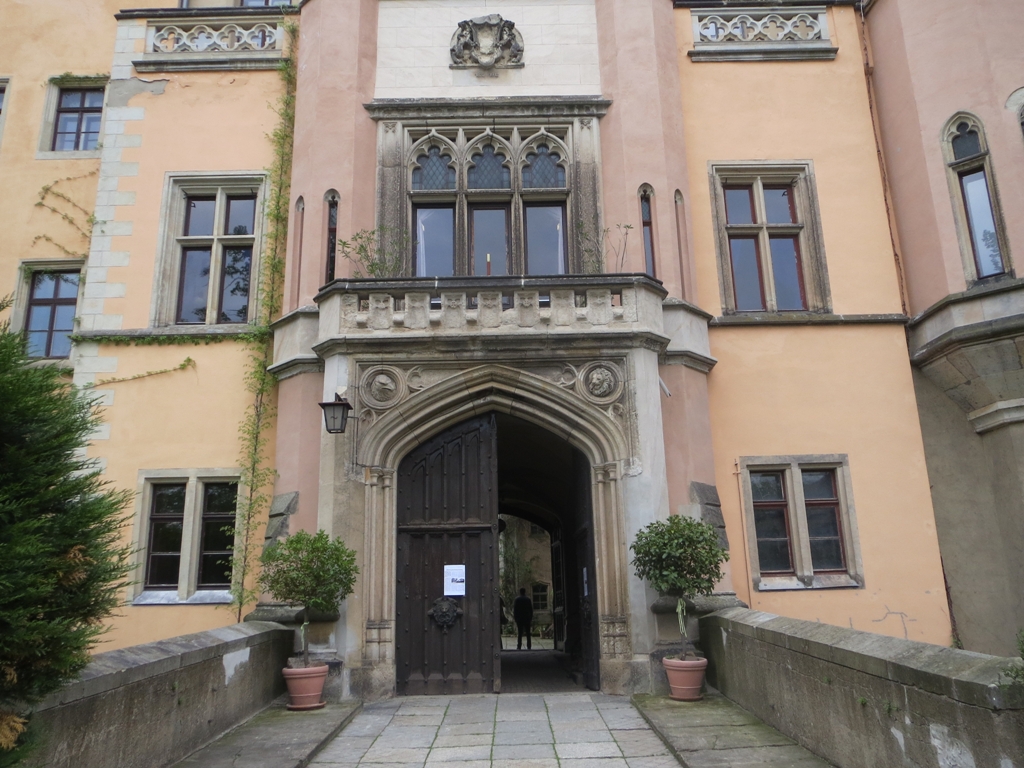
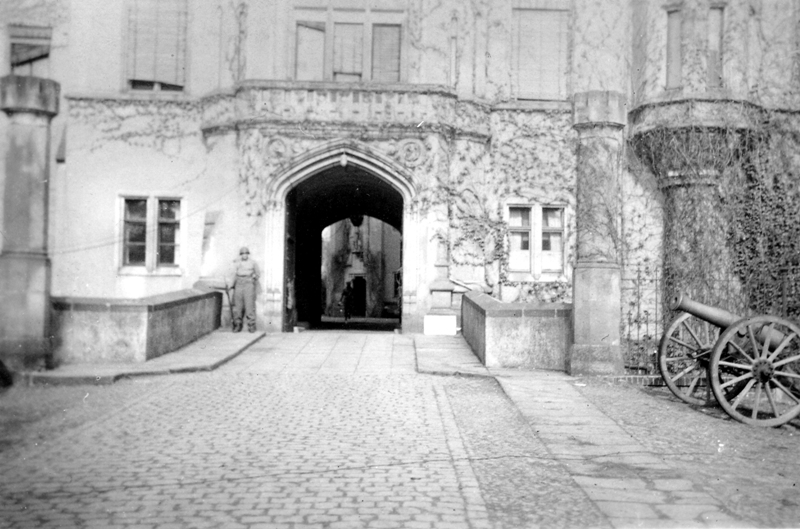
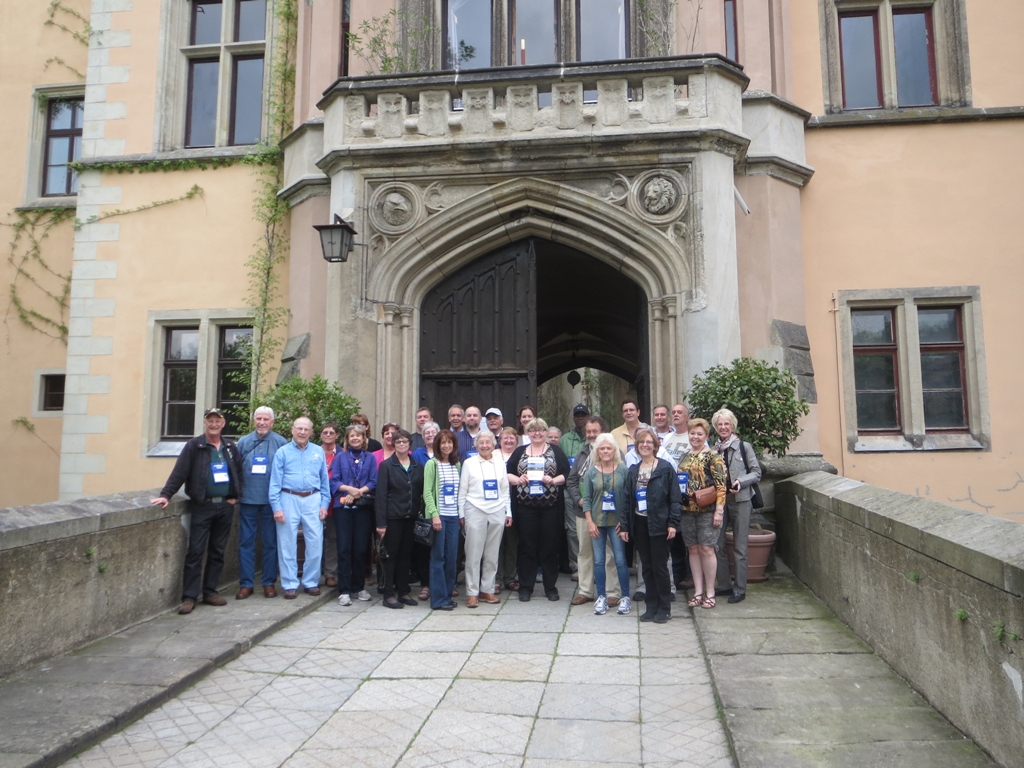
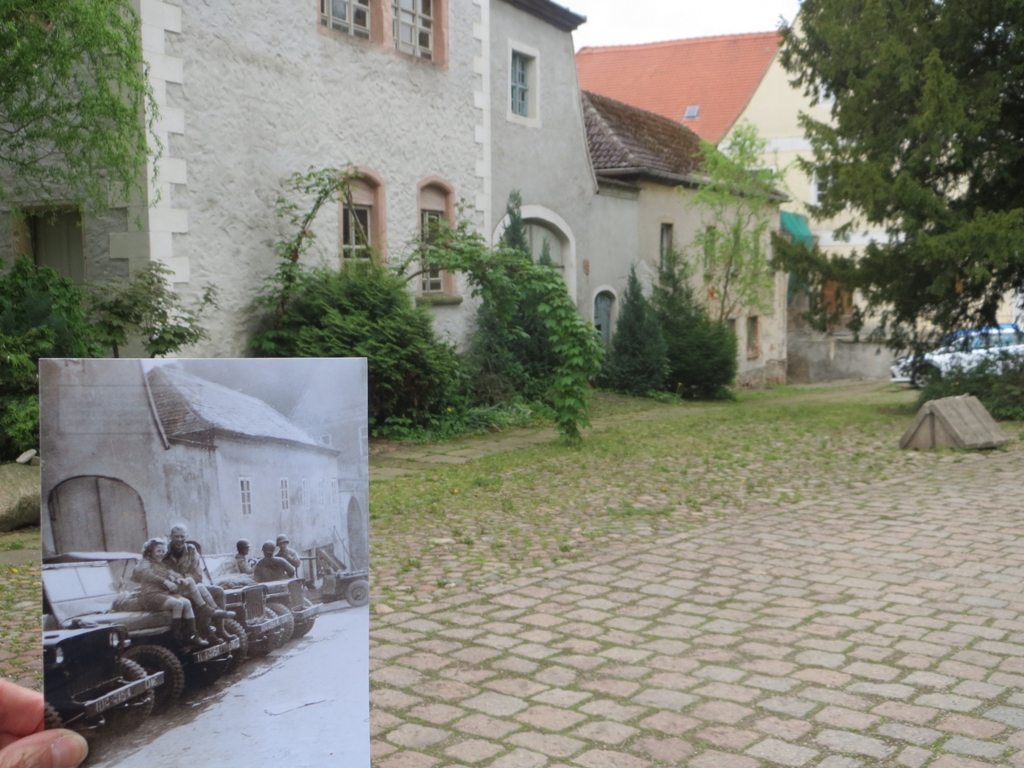
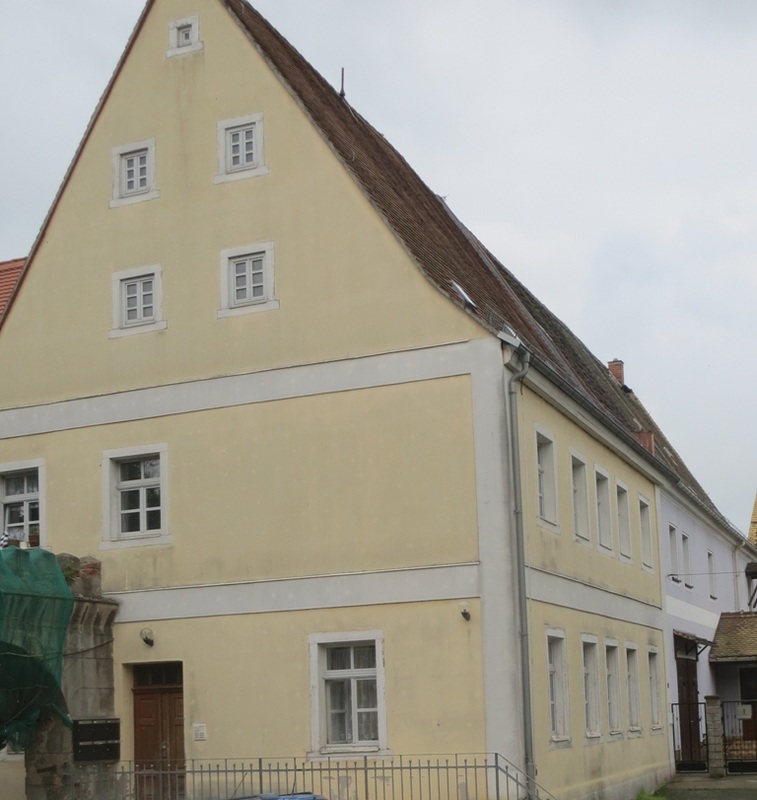
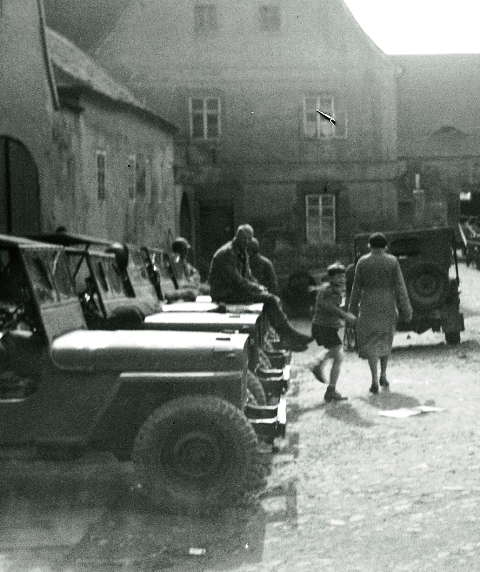
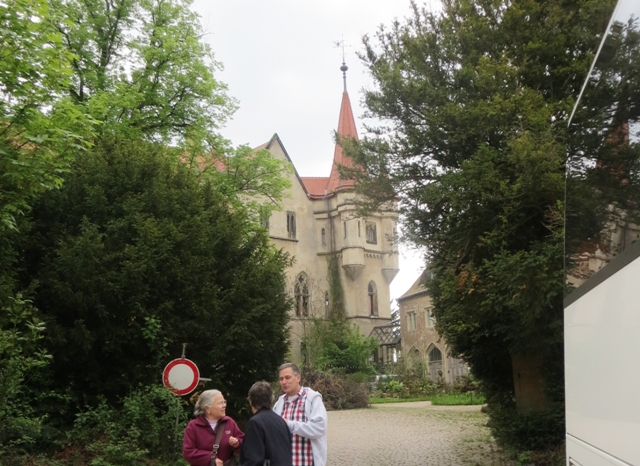
Period photos by PFC William Jamieson, 415 D, used with permission of the Jamieson family. All rights reserved.
May 12, Day 11 - Halle, Potsdam, Berlin
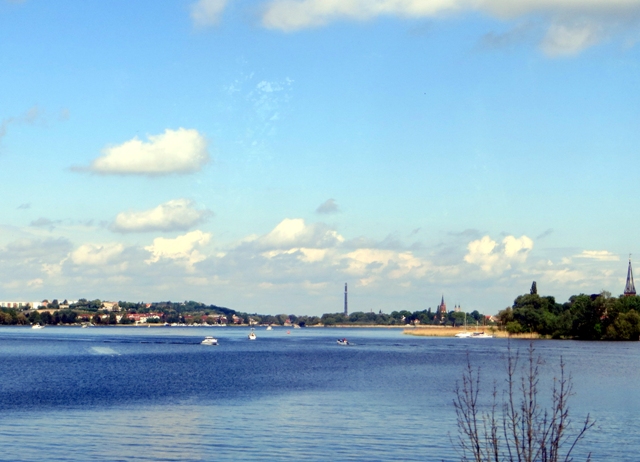
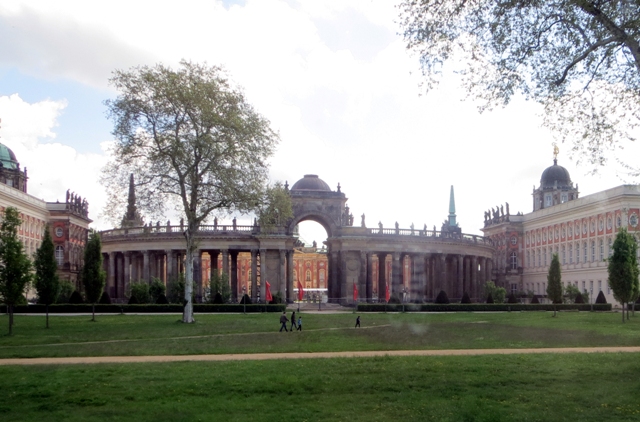
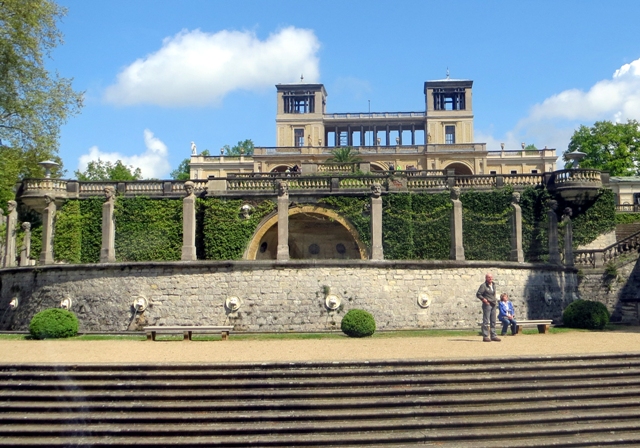
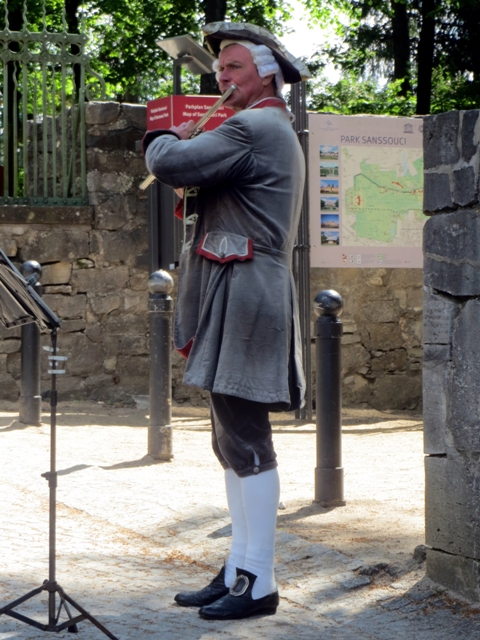
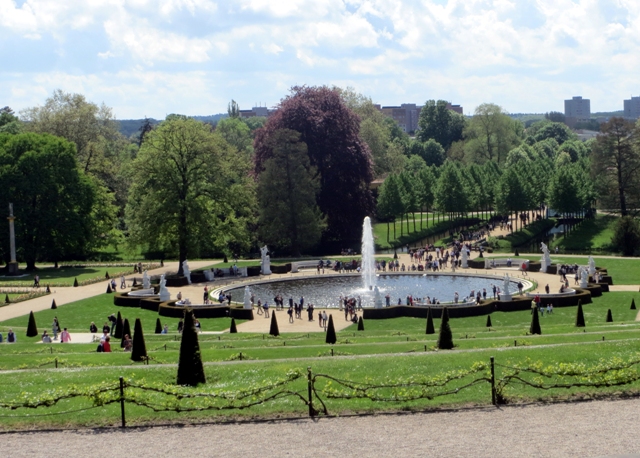
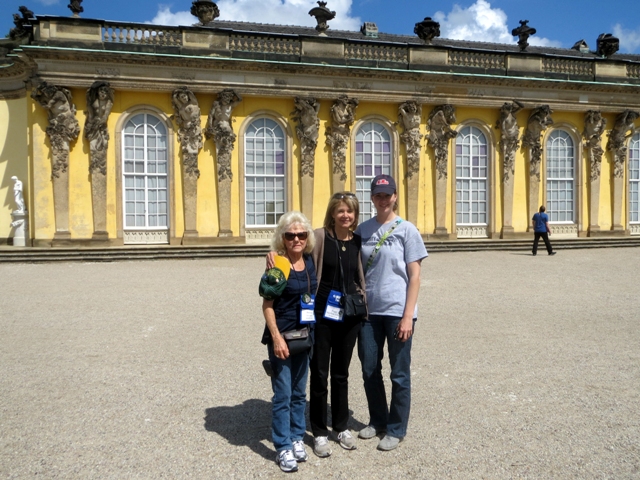
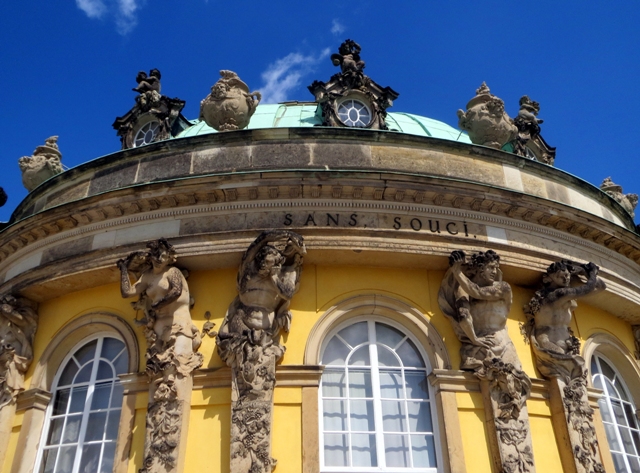
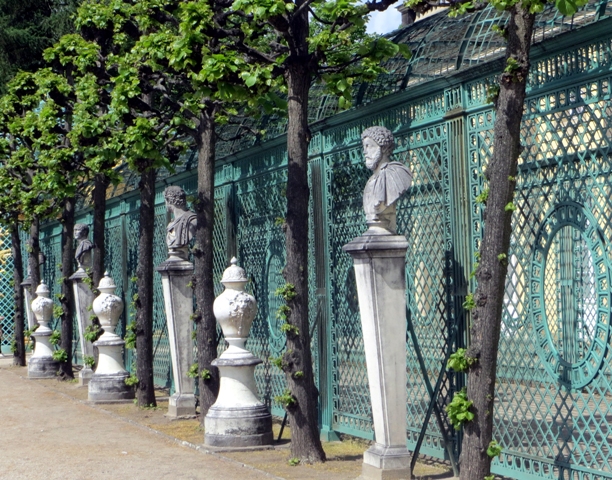
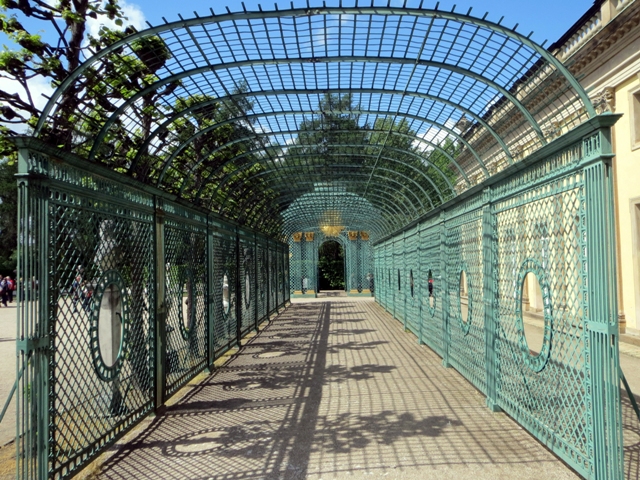
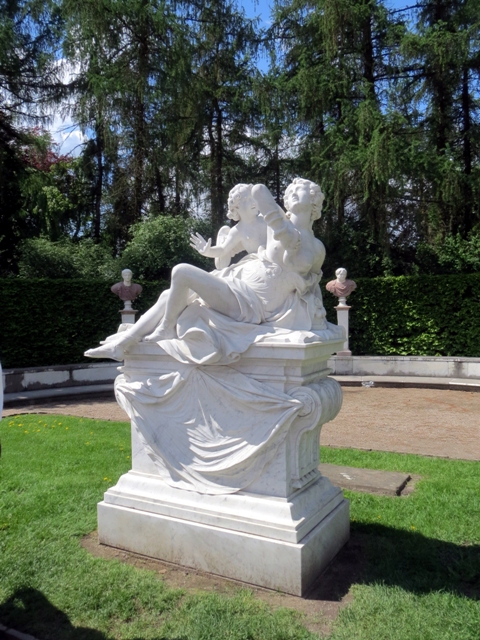
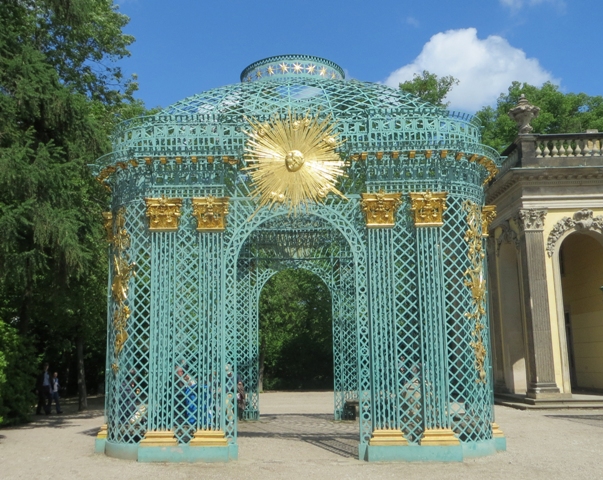
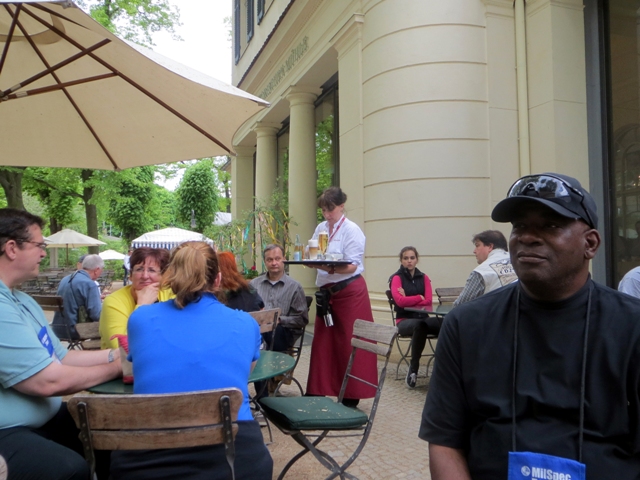
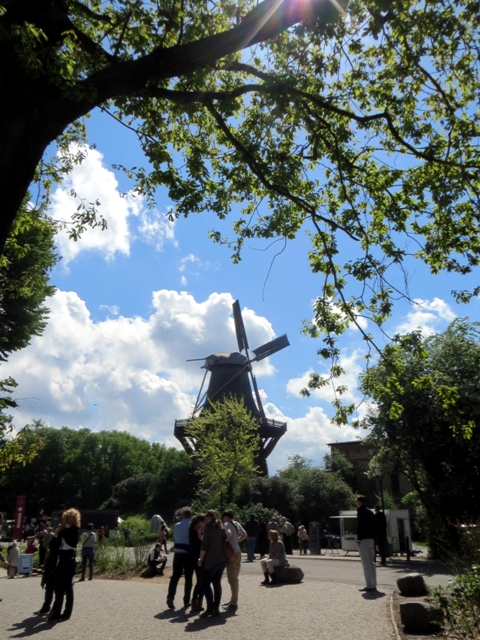
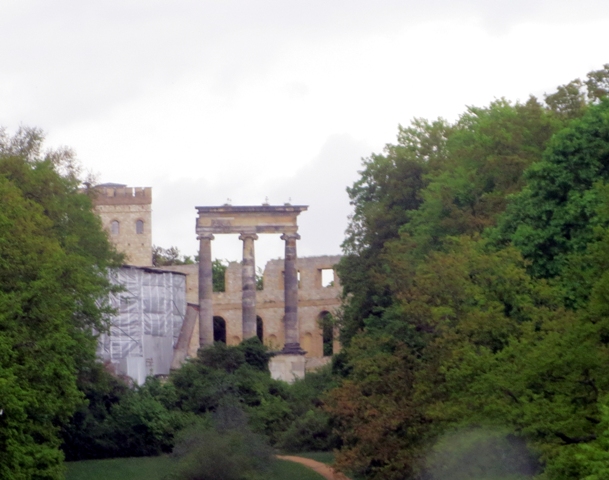
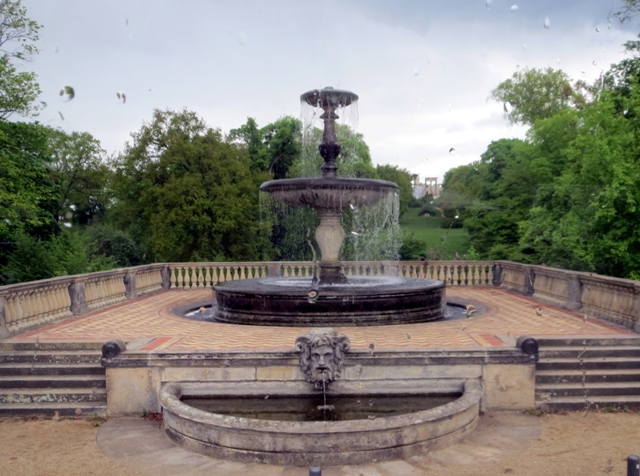
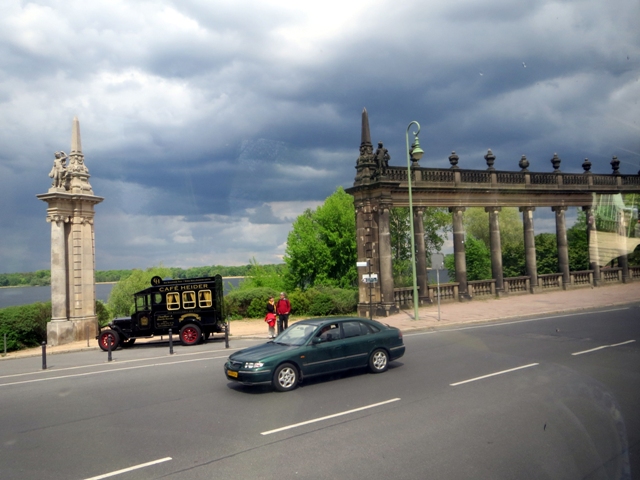
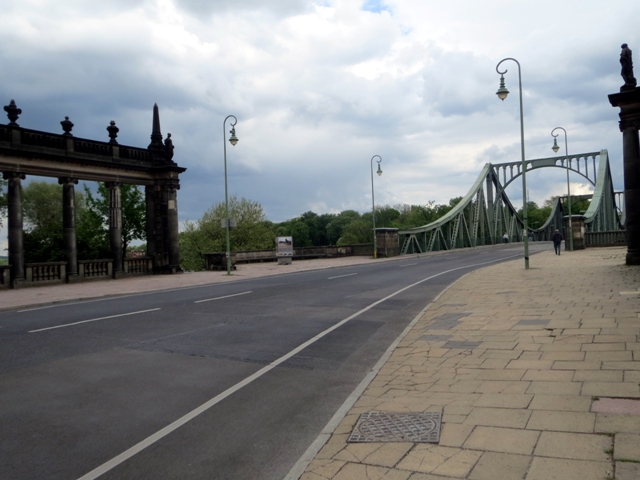
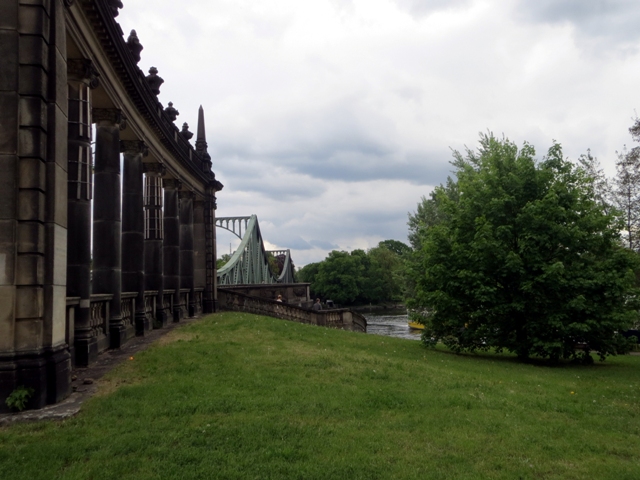
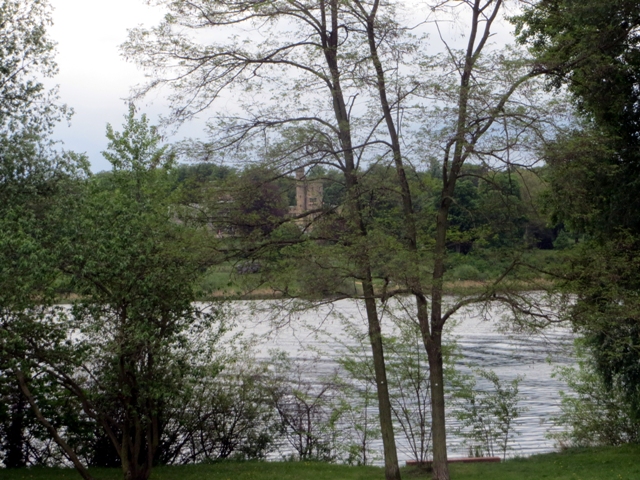
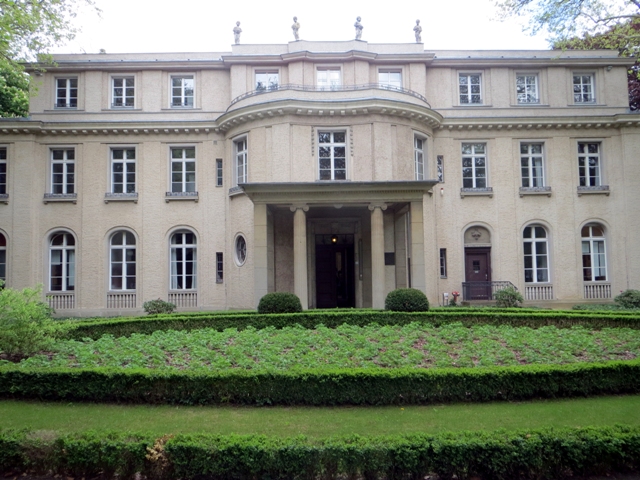
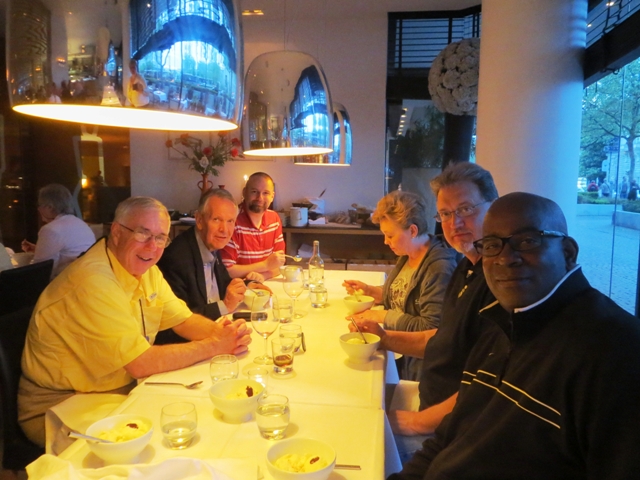
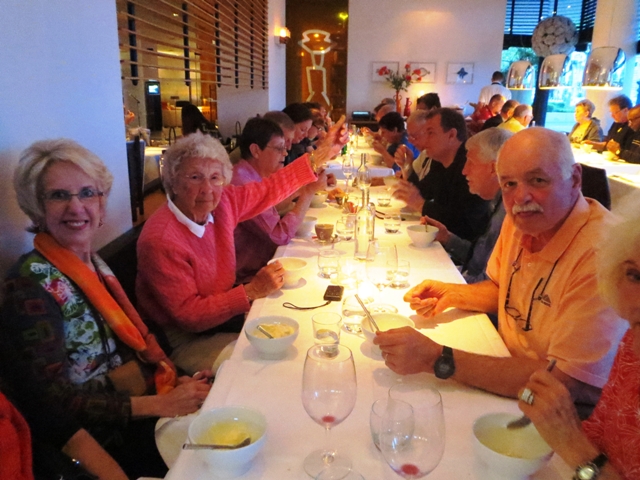
This morning we left our friend, Matthias Mauer, our wonderful and capable Halle tour guide, as well as the remaining Friends of the Timberwolves and traveled from Halle to Berlin. The Timberwolves were held back from approaching Berlin in 1945, but the significance of Berlin to World War II and the subsequent years of the Cold War occupation of a portion of Berlin, made the city a “must see” destination on our tour itinerary. We traveled the distance from Halle to Berlin on the autobahn, enjoying the scenery along the way and noticing that the landscape was becoming more wooded. Our first stop of the day was in Potsdam. We passed by a number of beautiful lakes or “Sees” as they are called in Germany. The sun was shining and there were even a few boats out. In Potsdam, we found the palaces and estate of Frederick the Great, one of the Prussian Kings, born 1712 and died 1786, and nephew to Britain’s King George II. As we entered the grounds, we first passed the “orangery” which in today’s language would be “greenhouse” but, oh what a greenhouse! Next we passed his larger palace or “The New Palace” or in German, “Neues Palais.” It is a palace situated on the western side of the Sanssouci Royal Park. The building was constructed starting in 1763 and was completed in 1769 under Frederick the Great’s reign. It is considered to be the last great Prussian baroque palace. For the King, the New Palace was not a principal residence, but a showplace for the reception of important royals and dignitaries. Frederick’s main residence and smaller more, personal palace, Sanssouci, was built to fulfill King Frederick's need for a private residence where he could relax away from the pomp and ceremony of the Berlin court. The palace's name emphasizes this as it is a French phrase (sans souci), which translates to "without concerns" meaning "without worries" or "carefree" symbolizing that the palace was a place for relaxation rather than a seat of power. We walked to the front of the palace enjoying the expansive and beautiful gardens. After the walk about the palace grounds, we enjoyed a beautiful lunch on the terrace of one of the Sanssouci Royal Park cafés. This truly was a wonderful Mother’s Day lunch location for all the mothers on our tour. As we left the Royal Park, under the enormous windmill, we passed a fountain with false Roman Ruins in the distance. Frederick the Great built the false Roman Ruins to provide him a scenic view from his palace grounds. Talk about a scenic backdrop! Next, we stopped at the famed Glienicke Bridge, (German: Glienicker Brücke) a bridge on the edge of Berlin that spans the Havel River to connect the cities of Potsdam and Berlin near Klein Glienicke. During the Cold War, Glienicke Bridge was one of the few places in the world where the Soviet Union and the Western powers stood directly opposite each other. Thus, “deals” could be made here, at the halfway point on the bridge, without any of their allies having any say in the matter. The bridge lies at an isolated point where the US-occupied sector of West-Berlin met Soviet-occupied Potsdam, which was in East Germany. The United States and the Soviet Union used it four times to exchange captured spies during the Cold War, and the Bridge was referred to as the Bridge of Spies by reporters. Next we stopped at the Wannsee Conference Haus where Hitler’s top aides, planned the “final solution” or Holocaust. What a beautiful setting for such an evil gathering. Today, this beautiful house contains a Holocaust museum. We arrived at our hotel in Berlin late afternoon. Our Farewell dinner was scheduled for tonight as it was expected that our evening together tomorrow, will have to end early due to all our morning flights leaving for the US on Tuesday morning. We celebrated together in the hotel restaurant, enjoying a German dinner while toasting one another and promising to stay in touch and meet again at the Reunion in Albuquerque, New Mexico in late August.
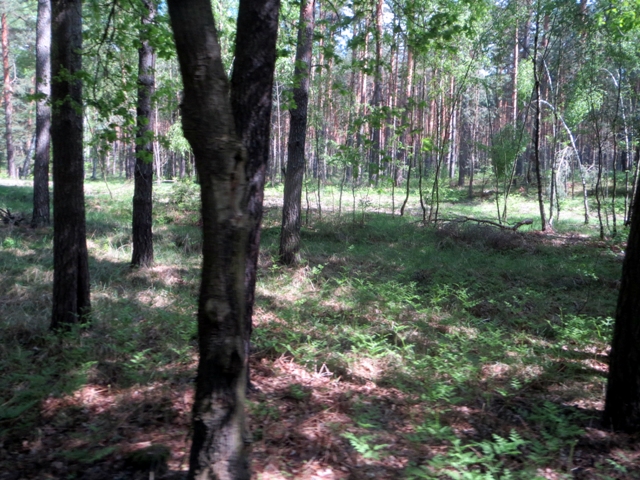
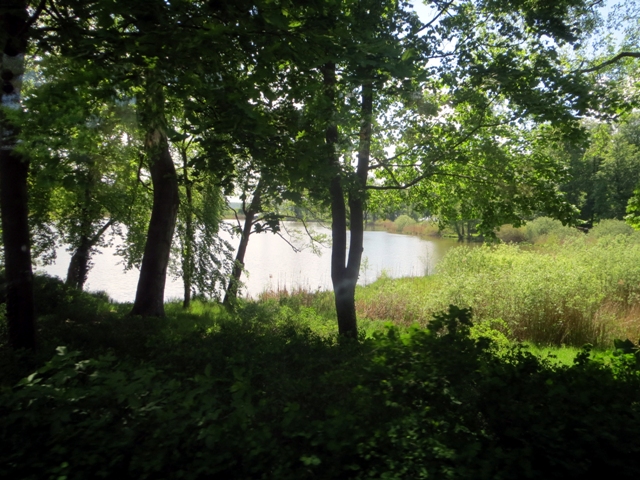
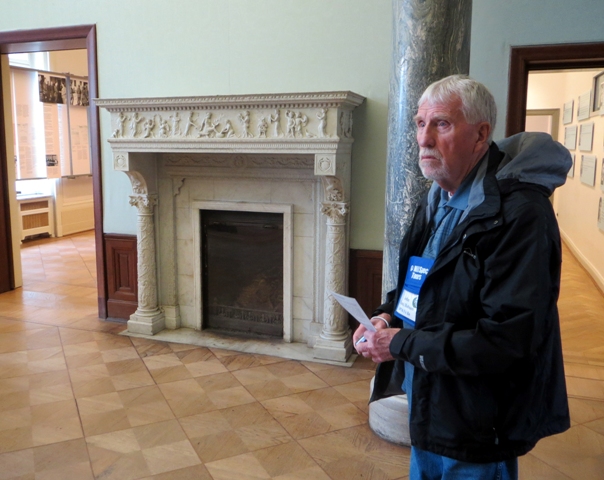
May 13, Day 12 - Berlin
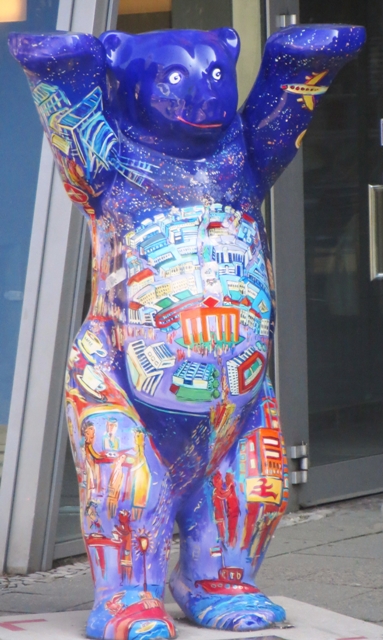
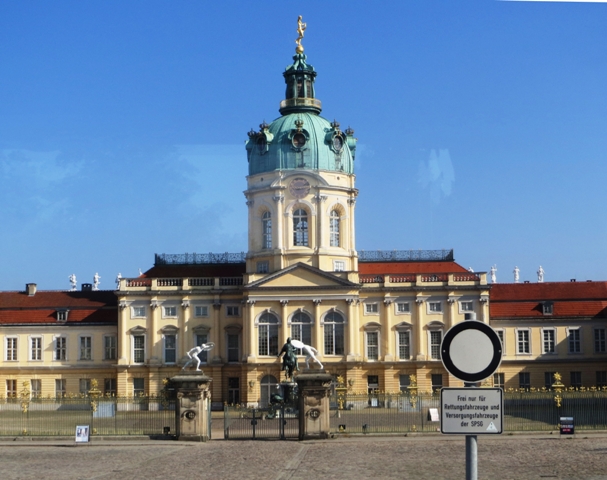
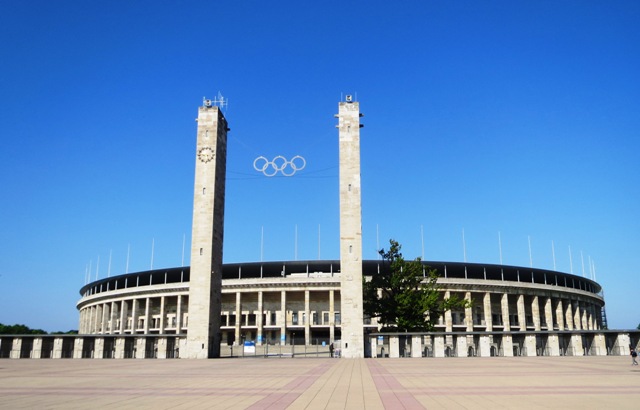
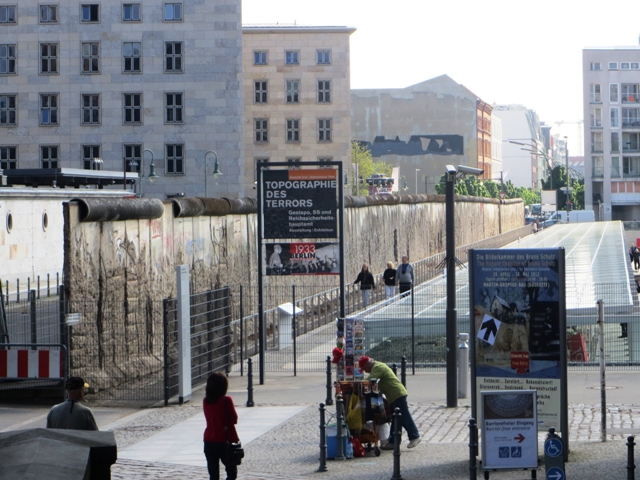
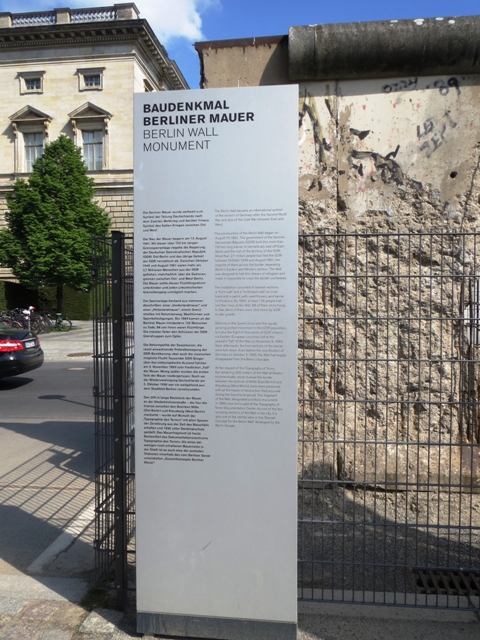
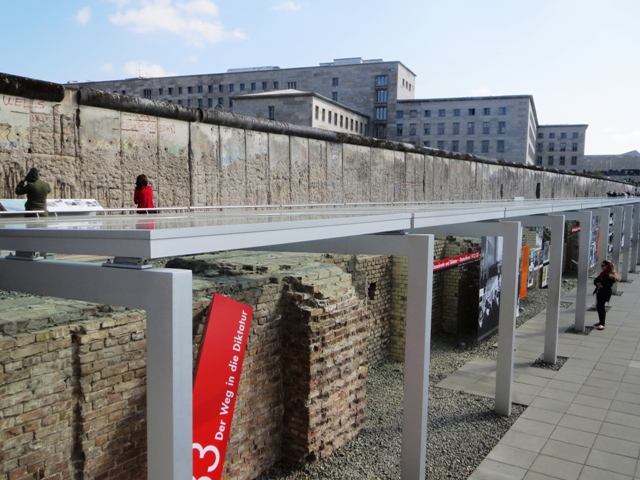
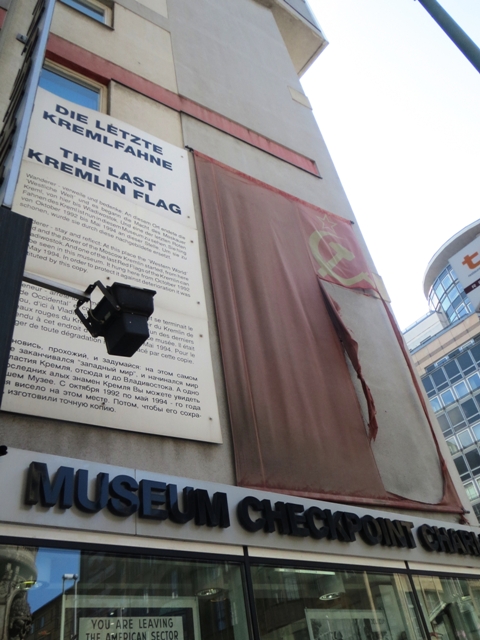
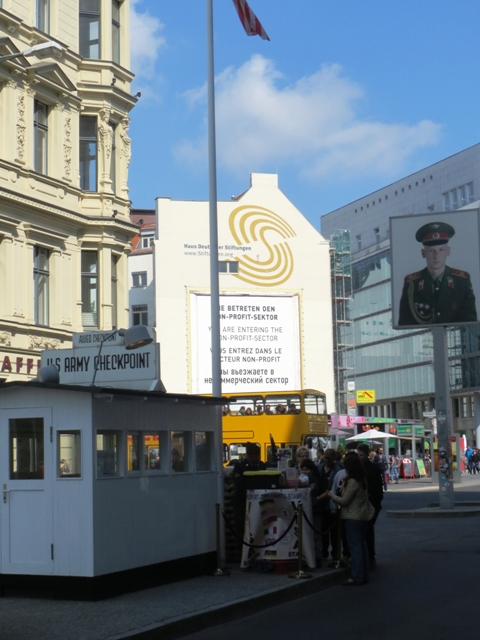
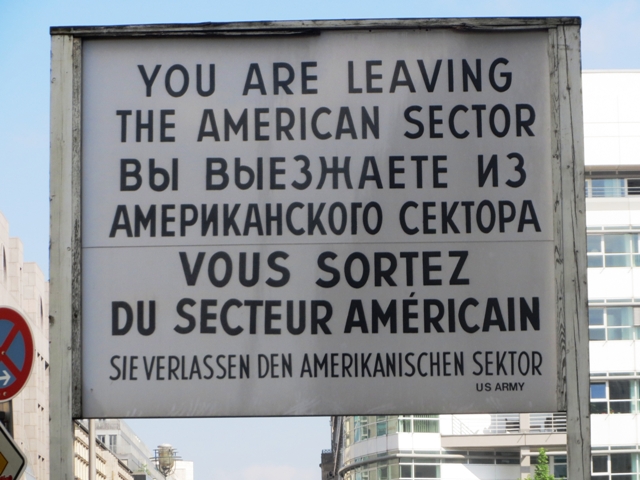
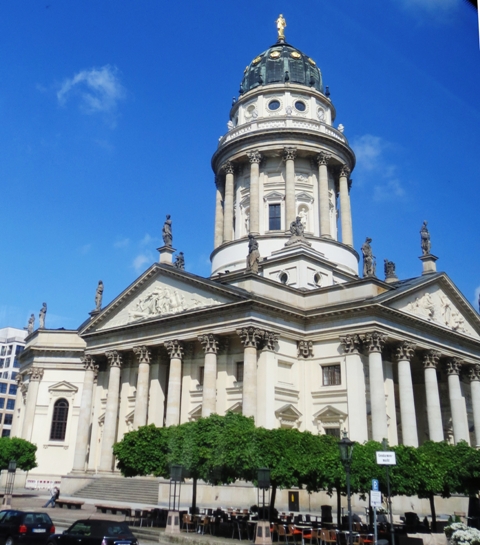
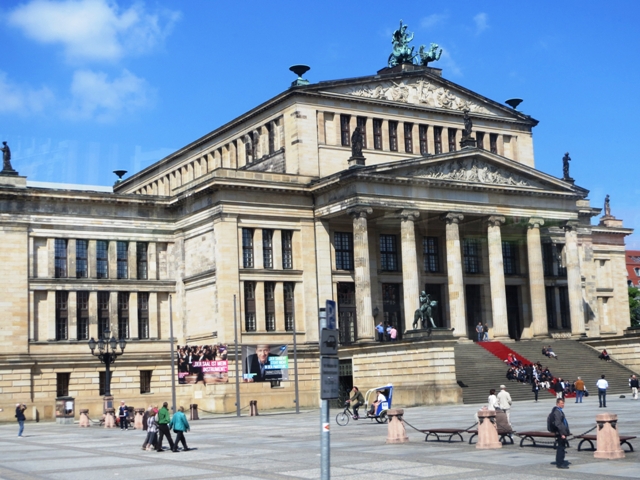
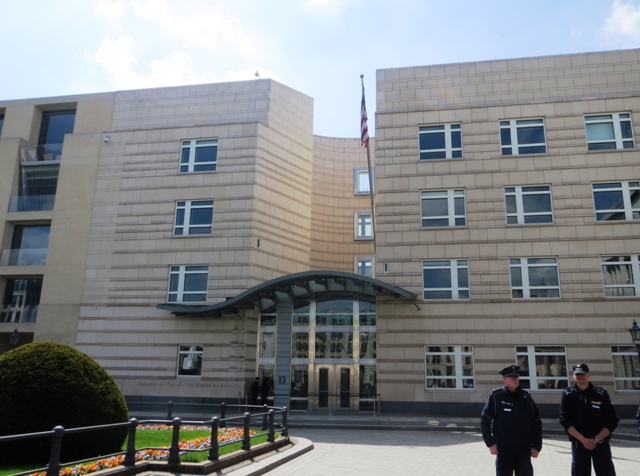
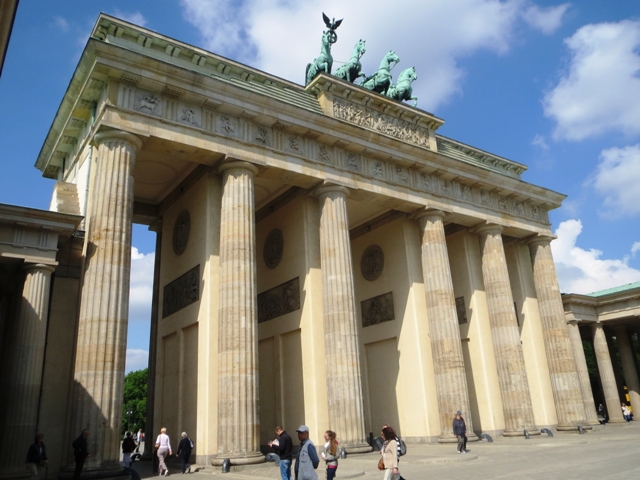
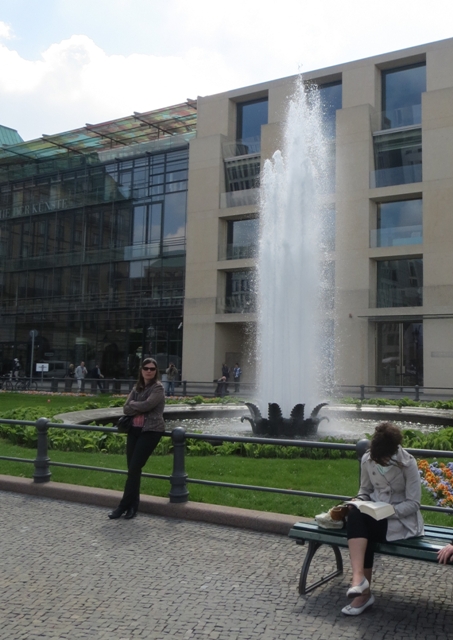
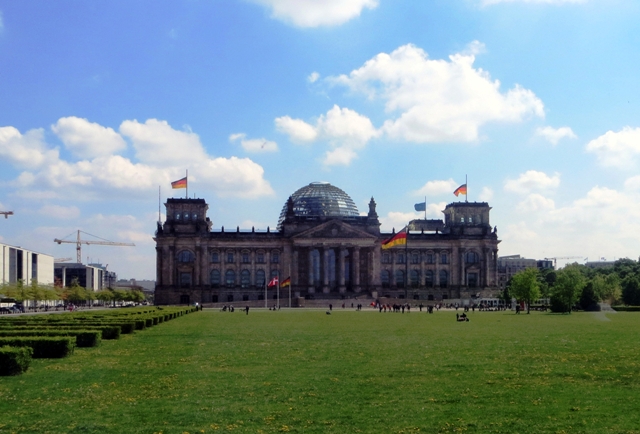
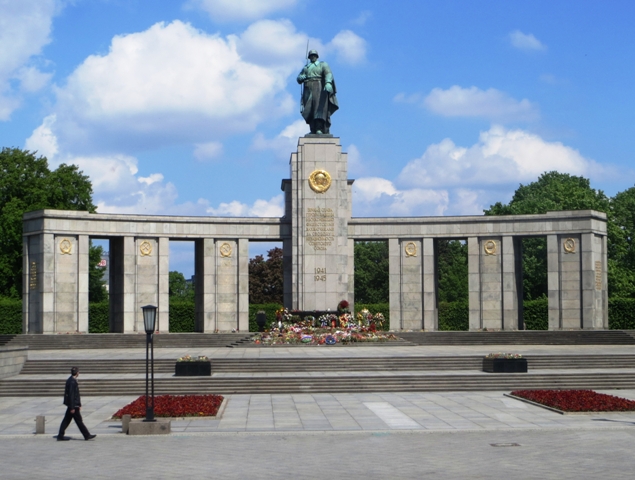
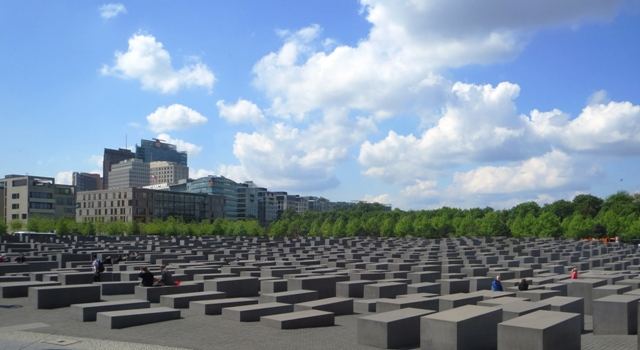
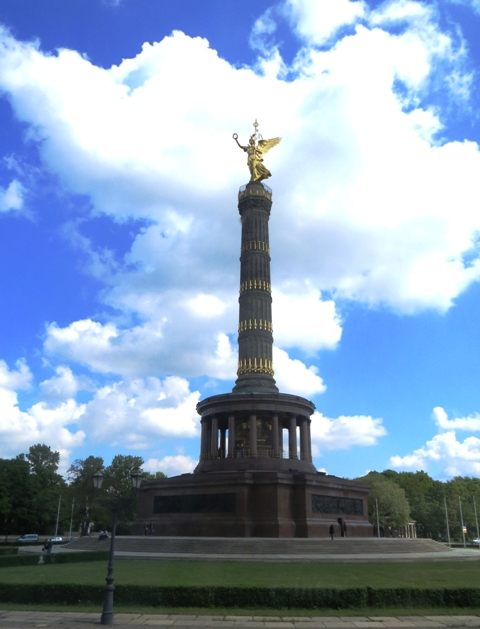
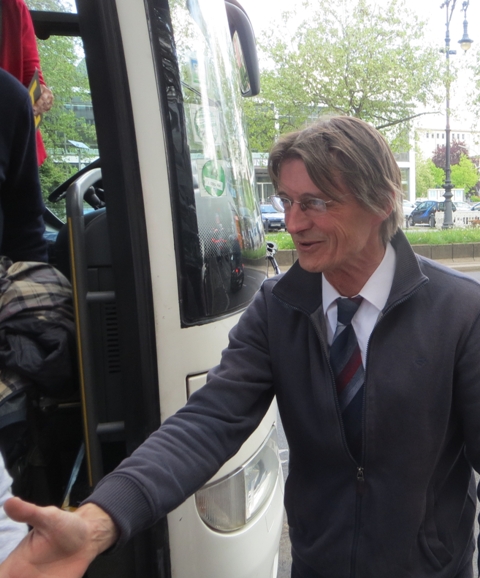
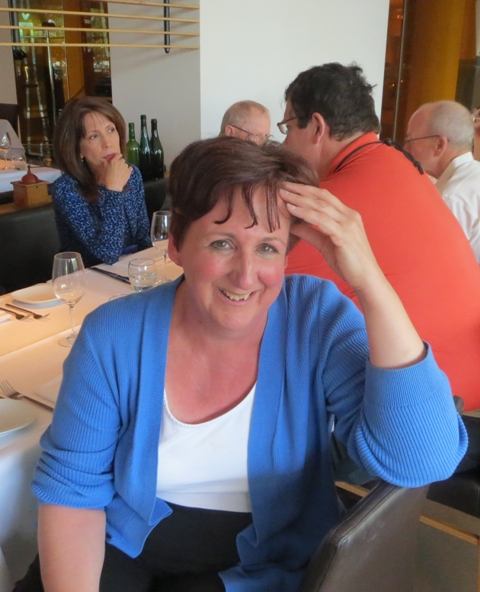
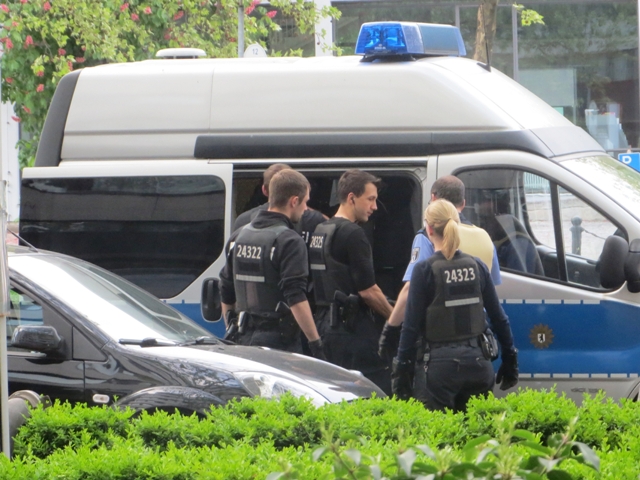
We woke up this morning realizing this was our last day together. With our hearts a bit heavy, we met together for our final group event, a bus tour of Berlin. Berlin was heavily bombed and damaged during WWII. Consequently, it is a city full of modern architecture as well as classic, historical buildings. We passed by the Charlottenburg Palace which is the largest palace in Berlin and the only surviving royal residence in the city that dates back to the Hohenzollern family (Prussian royalty.) The palace was built at the end of the 17th century. Our first stop was at the Olympic Stadium built for the 1936 Olympics. When the Nazis came to power they decided to use the Olympic Games for propaganda purposes. With this in mind, Hitler ordered the construction of the “Olympiastadion” in 1934, finishing in 1936. The stadium is still in use today. Many of us will remember, the 1936 Olympics were where US athlete Jesse Owens won four gold medals in track and field. Next we stopped at the last remnant of the Berlin Wall and accompanying museum. Many of us posed for pictures at this historic spot (and it is even possible some may have taken a souvenir chunk of the wall home with them.) We saw the last remaining Soviet flag to fly in Germany and visited Checkpoint Charlie. Next we passed by the Deutscherdom (National German Cathedral,) the Konzerthaus (Concert Hall,) and the Berliner Dom (Berlin Cathedral.) At the Brandenberg Gate we walked the plaza and were able to see the massive gate up close and personal as well as a great view of the American and British Embassies adjacent to the gate. We boarded back on the bus, passing the Reichstag, the meeting place of the German parliament (Bundestag.) Next we passed a WWII War Memorial dedicated to the Russian soldiers. As we headed back towards central Berlin, we passed the new (2004) Holocaust Memorial known as the Memorial to the Murdered Jews of Europe. It was a very stark and appropriately somber memorial which reminded me of a vast landscape of tombs. There is a museum under the Memorial and as visitors enter, they seem to disappear into the tombs. Next up on our tour was the German version of the “White House” or Bellevue Palace, the official residence of the German Chancellor. We finished up our tour by passing the Berlin Victory Column or “Siegessäule, which memorialized German victories in the Prusso-Danish war of 1864. We returned to the hotel, saying goodbye to our wonderful and skillful bus driver, Derrick, and headed off to enjoy a free afternoon of sightseeing and shopping in Berlin. A large group of us walked to the Ka De We store, enjoying a wonderful buffet lunch and squeezing in some time for souvenir shopping while we were there. For some of us, the free time offered us the opportunity of a much needed nap and for others the afternoon included an exciting “knock” on the door. Paula Connor, who was visited by an unwanted drunk, knocking on her hotel room door, demanding to be let in, took it all in stride - although meeting the Berlin Police up close and personal was not on the tour itinerary. But, she had a tale to tell that will not be forgotten soon and we all witnessed the arrest of the offender right outside of our hotel restaurant during our final, farewell dinner. We gathered together for our last group dinner - our true, final dinner together. Again, we toasted each other and promised to meet again together in Albuquerque. From Amsterdam to Berlin and all points in between, this tour has been a time of reliving, retracing and walking in the steps of the veterans of the 104th Timberwolf Infantry Division. Along the way, at each stop, moments were recaptured, memorials rededicated, stories retold, photos recreated and memories remade. This brings to a close the journey we embarked on in October of 2011, to follow in the footsteps of the storied Timberwolf veterans. From Cherbourg to Torgau and all points in between, we dedicate this tour to the soldiers of the 104th Timberwolf Infantry Division – to all those veterans who still remain among us, to all the veterans who left us too early and to all those young soldiers who never made it back home. Timberwolf Up!

You will find detailed updates below from our past tour from 2011, as well as a few shots from the 2010 tour with the National Timberwolf Association. Our thanks to Milspec, Inc. for their continued assistance.
- Read the 2011 tour history here: Following in their footsteps: Part I - France, Holland, & Belgium
2011 tour Official Milspec Battlefield Brochure
A journey through the Timberwolf Battlefield Tour of 2010:
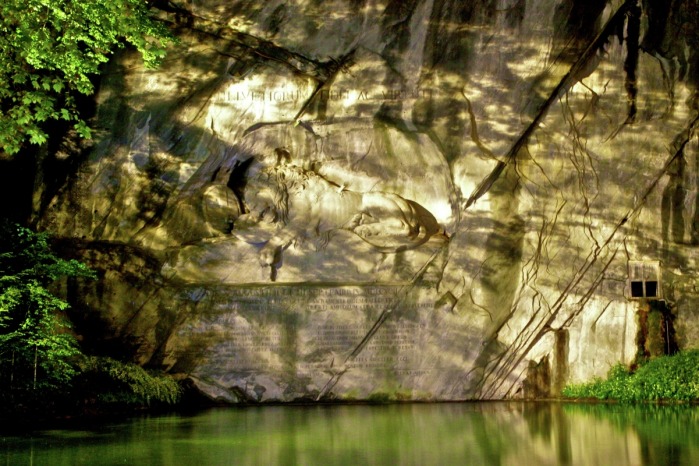
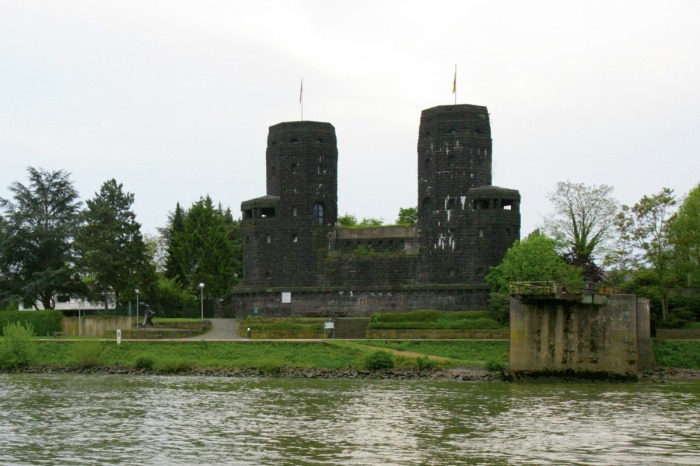
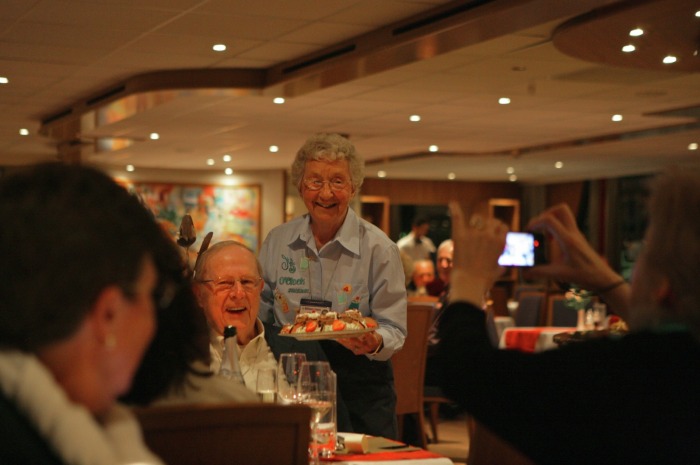
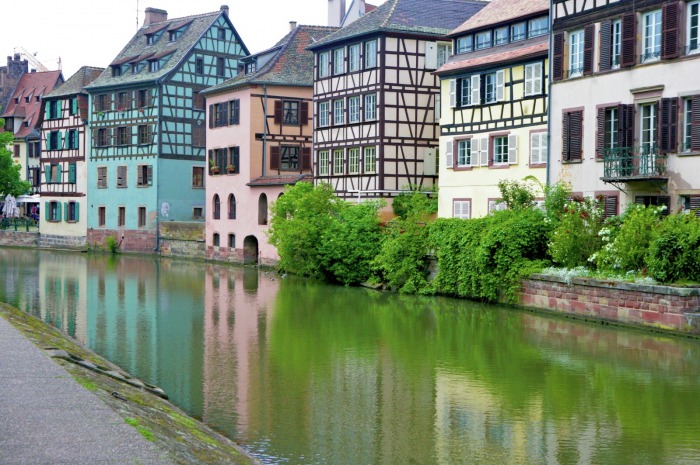
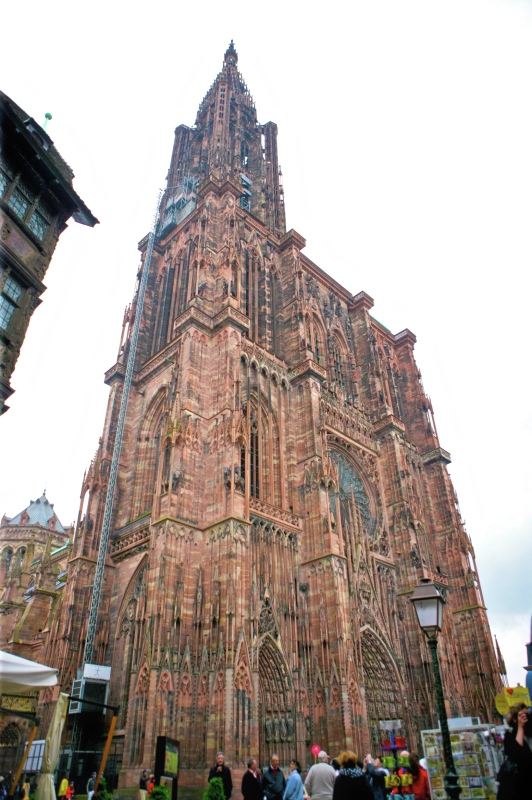
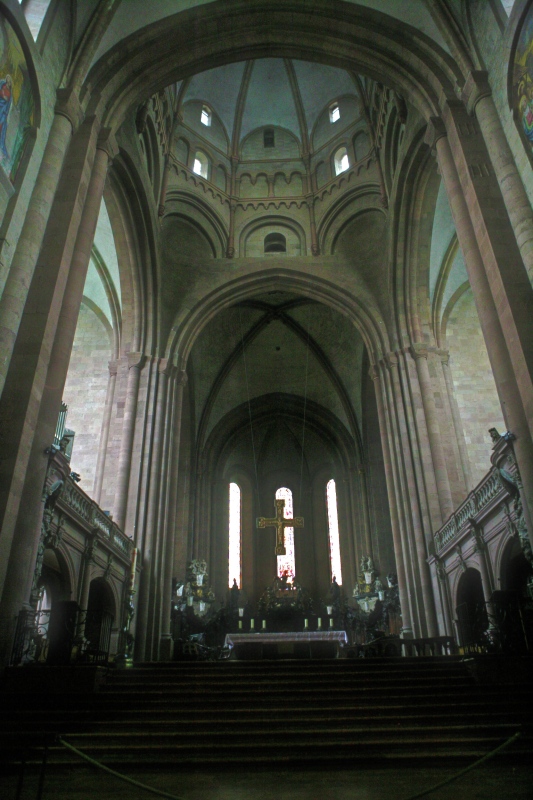
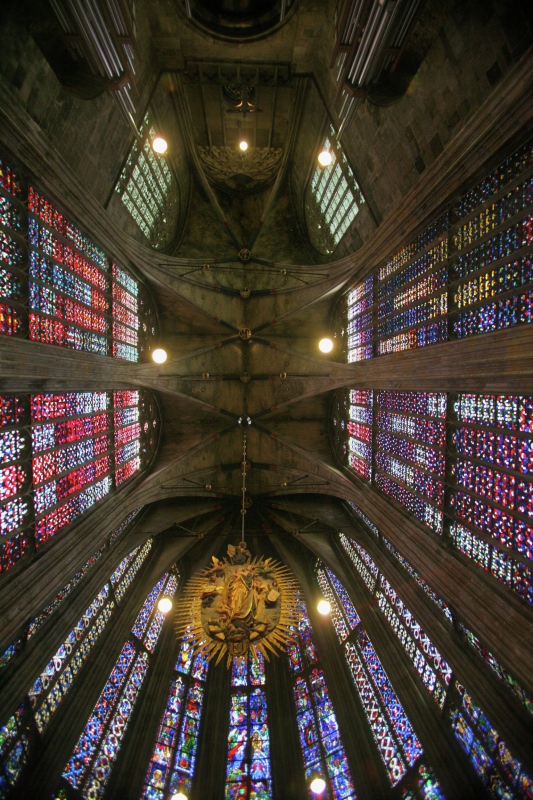
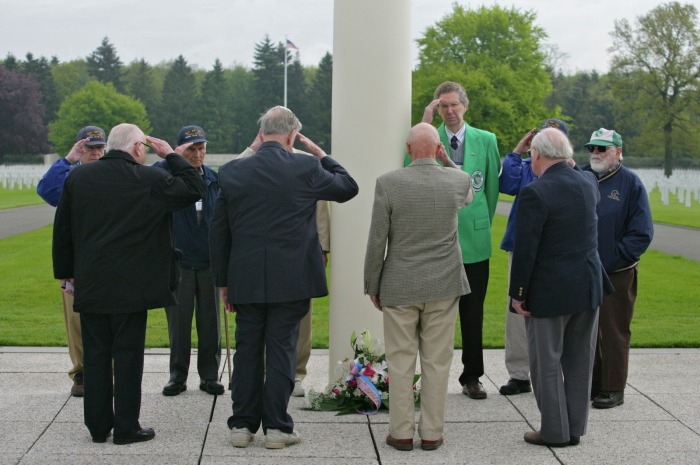
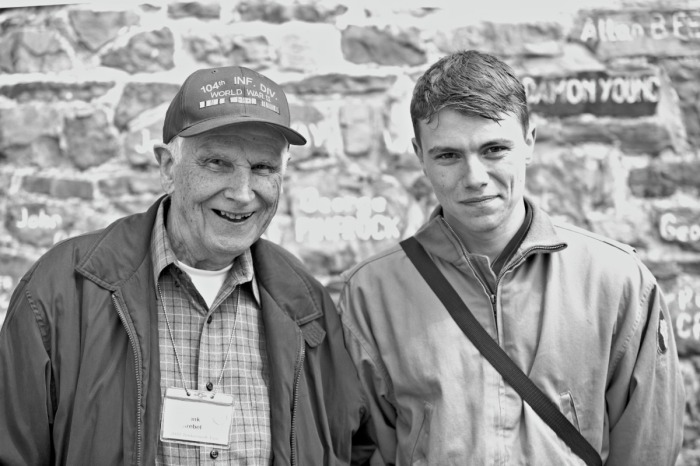
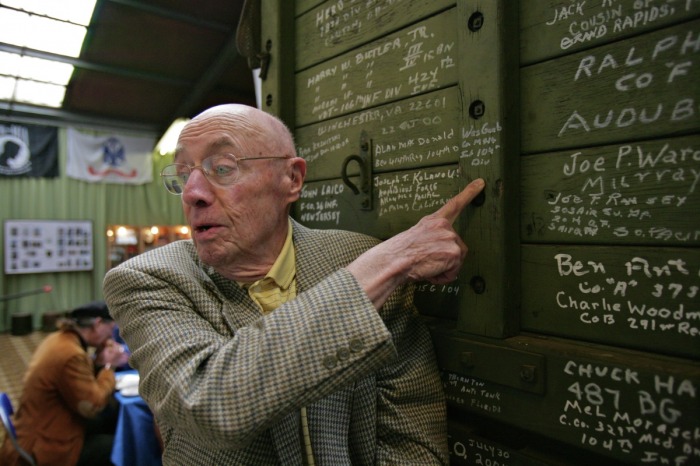
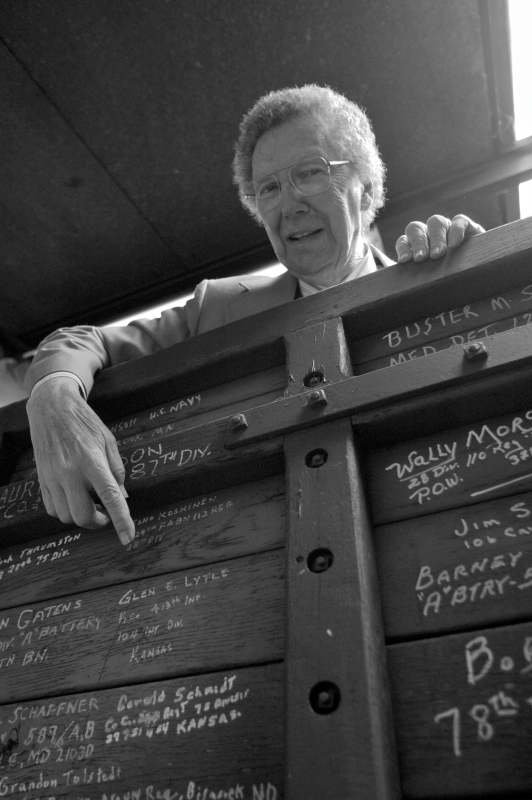
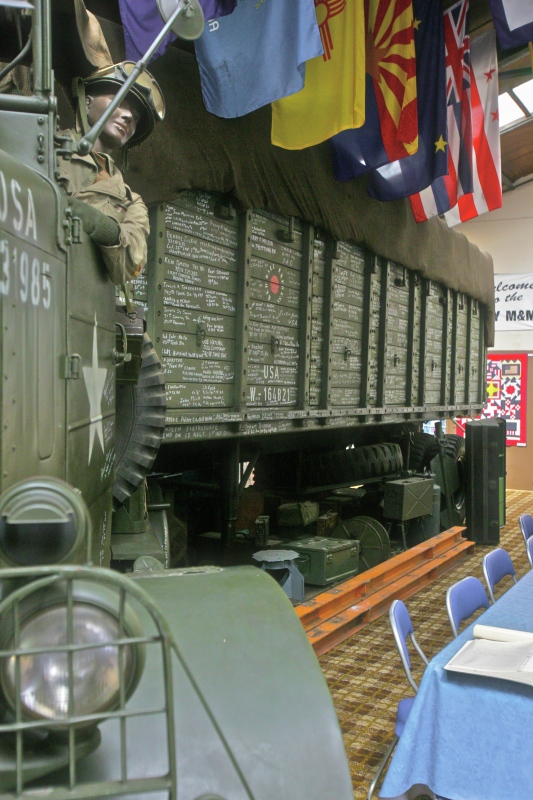
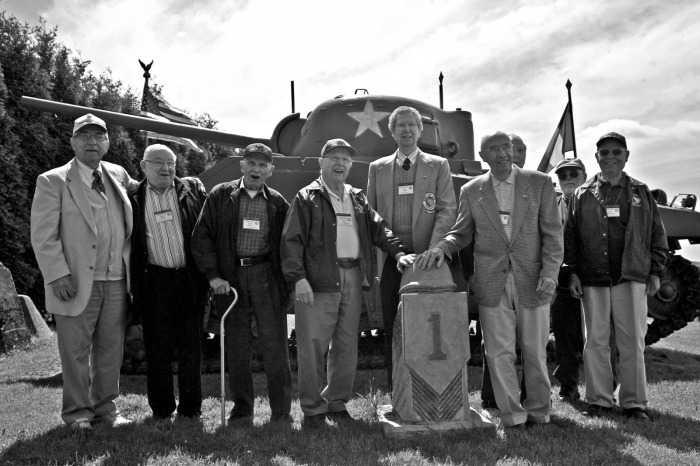
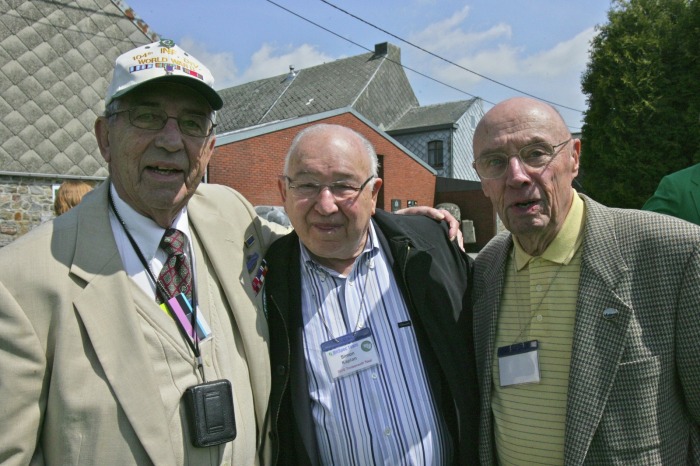
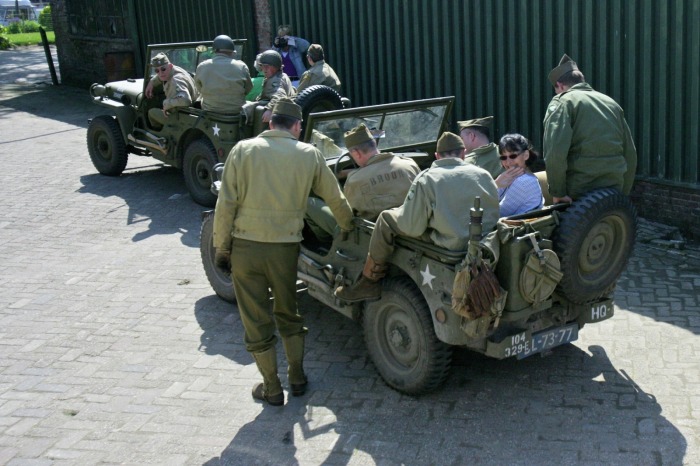
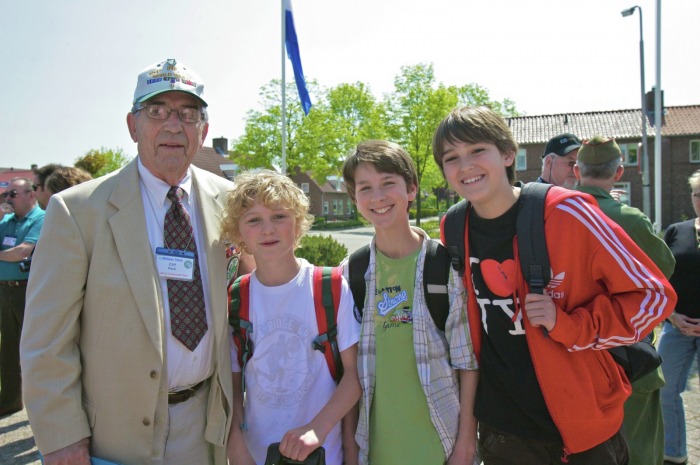
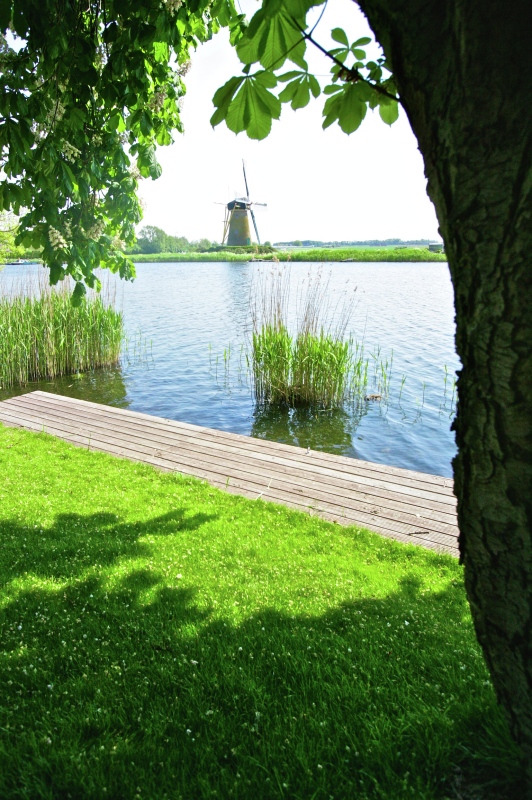
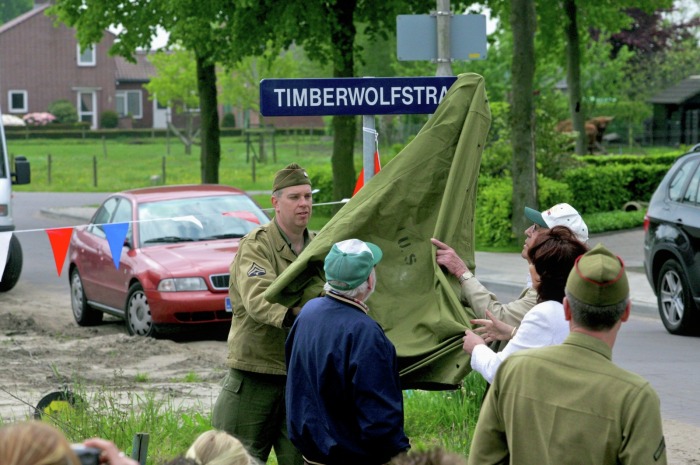
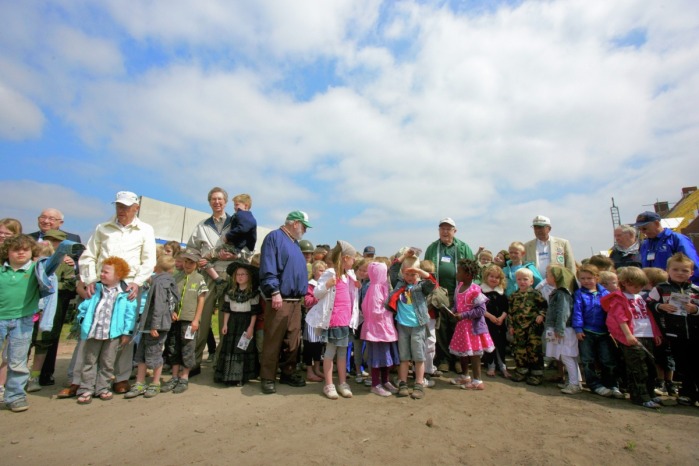
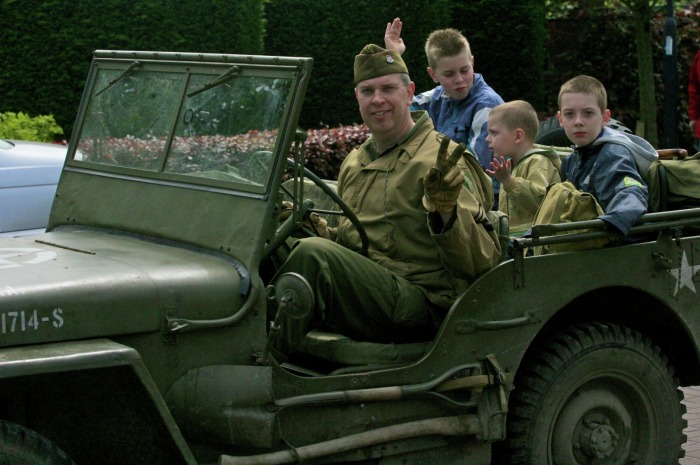
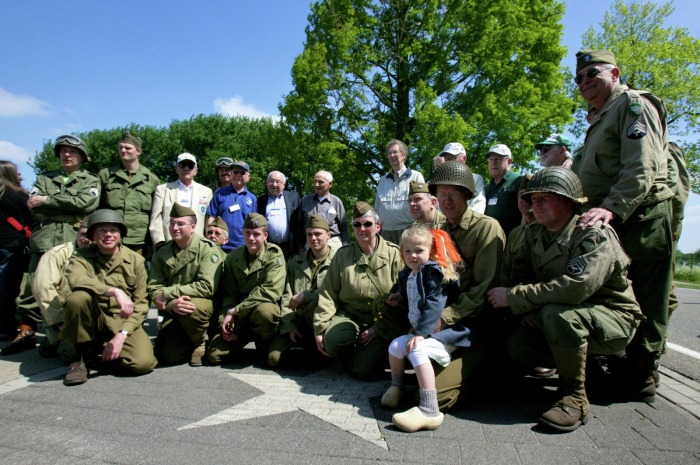
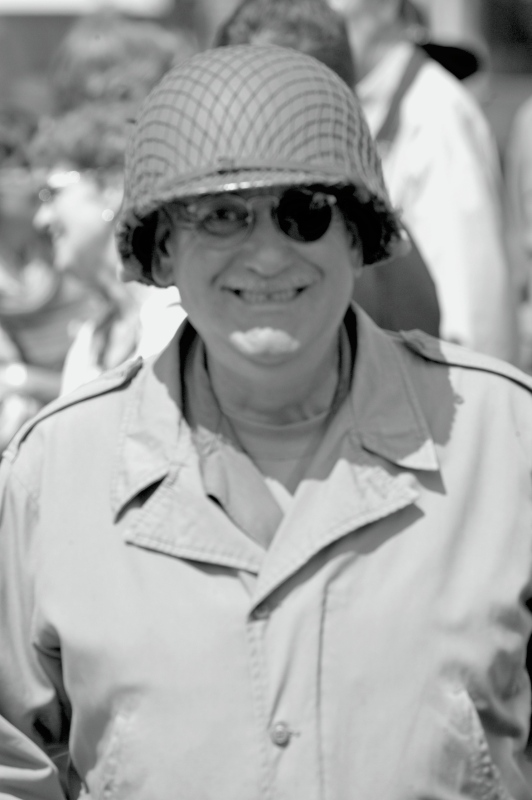
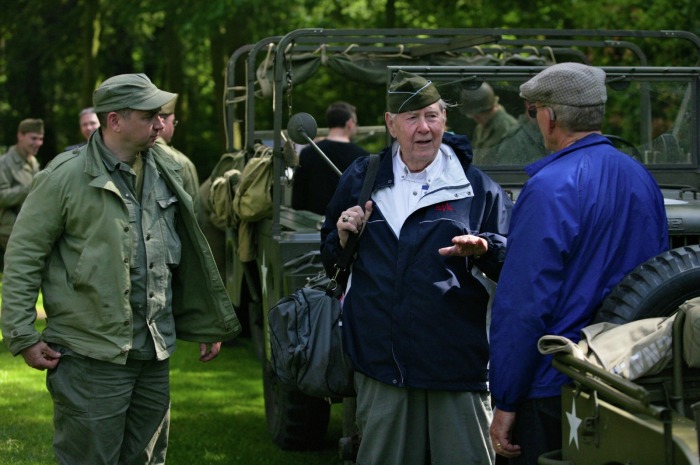
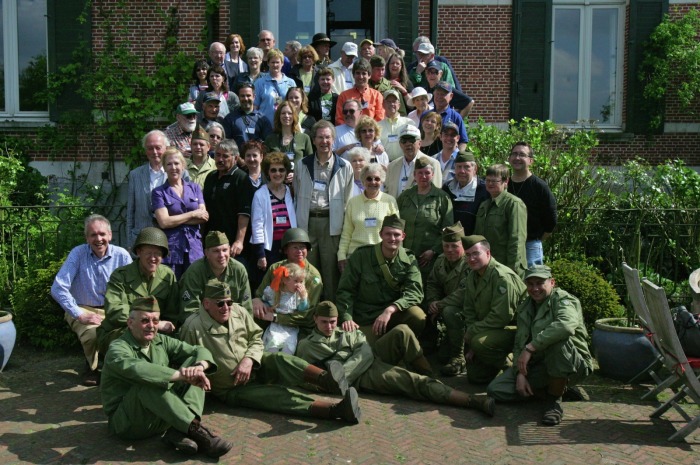
All 2010 photos (C) Paul Murphy, all rights reserved.
Please check back frequently.
As always, any general questions can also be sent to our webmaster: 104Info@Timberwolf104inf.org